
1 December 2026
Brussels, Belgium
#HPForum 2026
Award Ceremony
1 December 2026
SQUARE Brussels

2026 People's Choice Award

The People’s Choice Award gives you the opportunity to recognise the heat pump project making the greatest impact. Explore the projects submitted across the three categories and cast your vote for your favourite project.

Voting is open from 19 October to 5 November 2026. You can vote for only one project, across all the three categories.

All winners will be announced live at the Heat Pump Forum on 1 December.

Building Solutions Award

Projects involving outstanding residential and commercial heat pump installations that deliver high performance, energy efficiency and measurable environmental benefits.
Building Solutions Award nominee
01.
01.
Austria
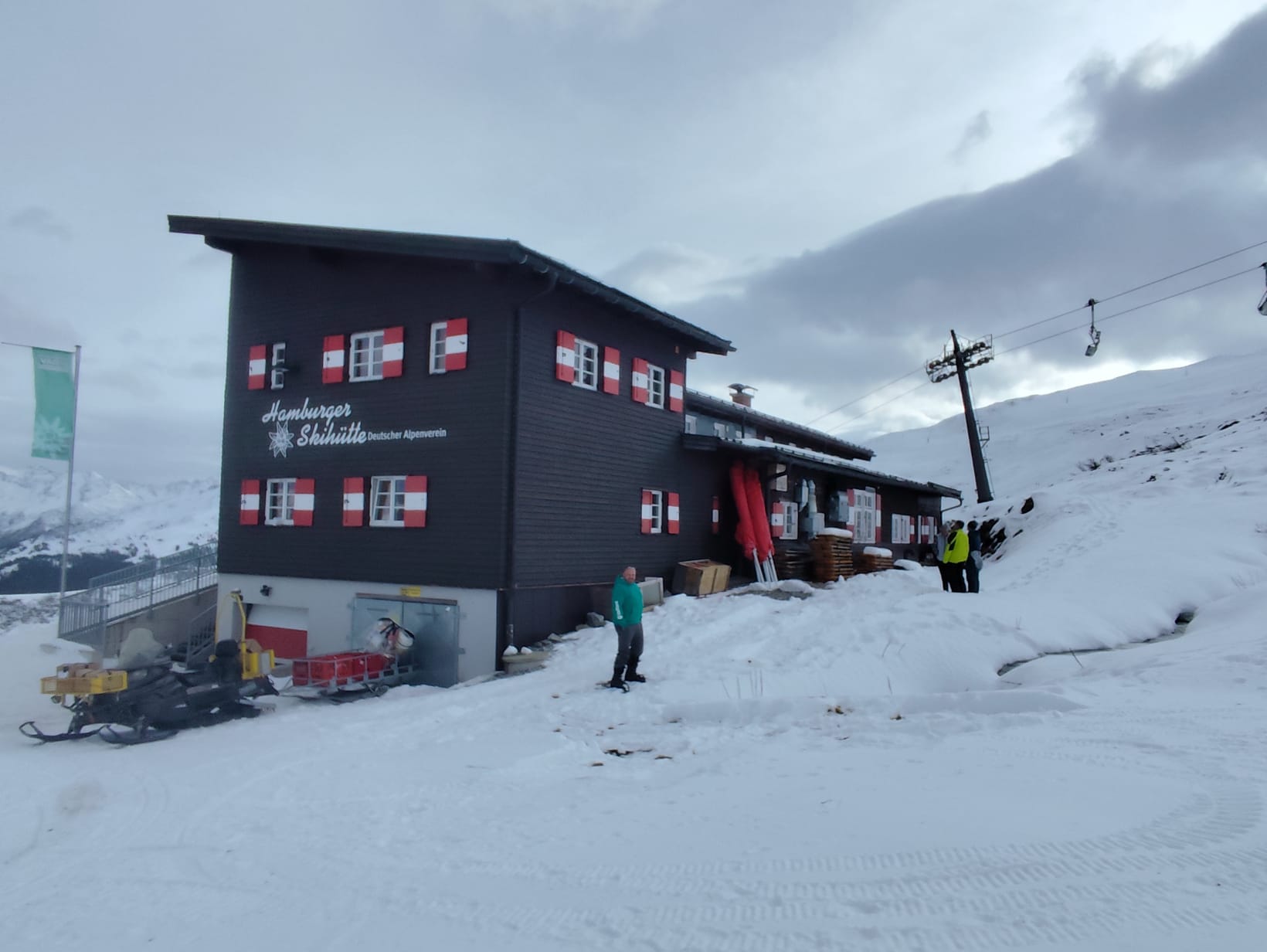
This alpine project demonstrates that the transition to renewable heating is possible even in some of the most challenging environments. Located at 1,970 meters above sea level in the Alps, the mountain lodge represents a pioneering example for ski huts, alpine restaurants, and remote hospitality facilities facing increasing pressure to achieve climate targets. What makes this project particularly remarkable is the courage to transform a building originally constructed in 1935, with decades of historically evolved heating infrastructure, into a modern renewable heat pump energy system. Few comparable projects have been realized under such demanding conditions. Rather than discussing what might be possible in the future, this project proves what can be achieved today: we are taking action and leading by example. The installation of geothermal energy and two brine-to-water heat pumps demonstrates that heat pump technology is not limited to newly built single-family homes. Even in extreme alpine conditions, heat pumps can provide a reliable, efficient, and sustainable heating solution when properly designed. As a result, the project serves as a lighthouse initiative for the entire alpine region, showing owners, operators, and organizations a practical pathway toward decarbonization. It combines innovation, sustainability, and economic viability while inspiring others to follow the same path toward a climate-friendly future.
Building Solutions Award nominee
02.
Spain
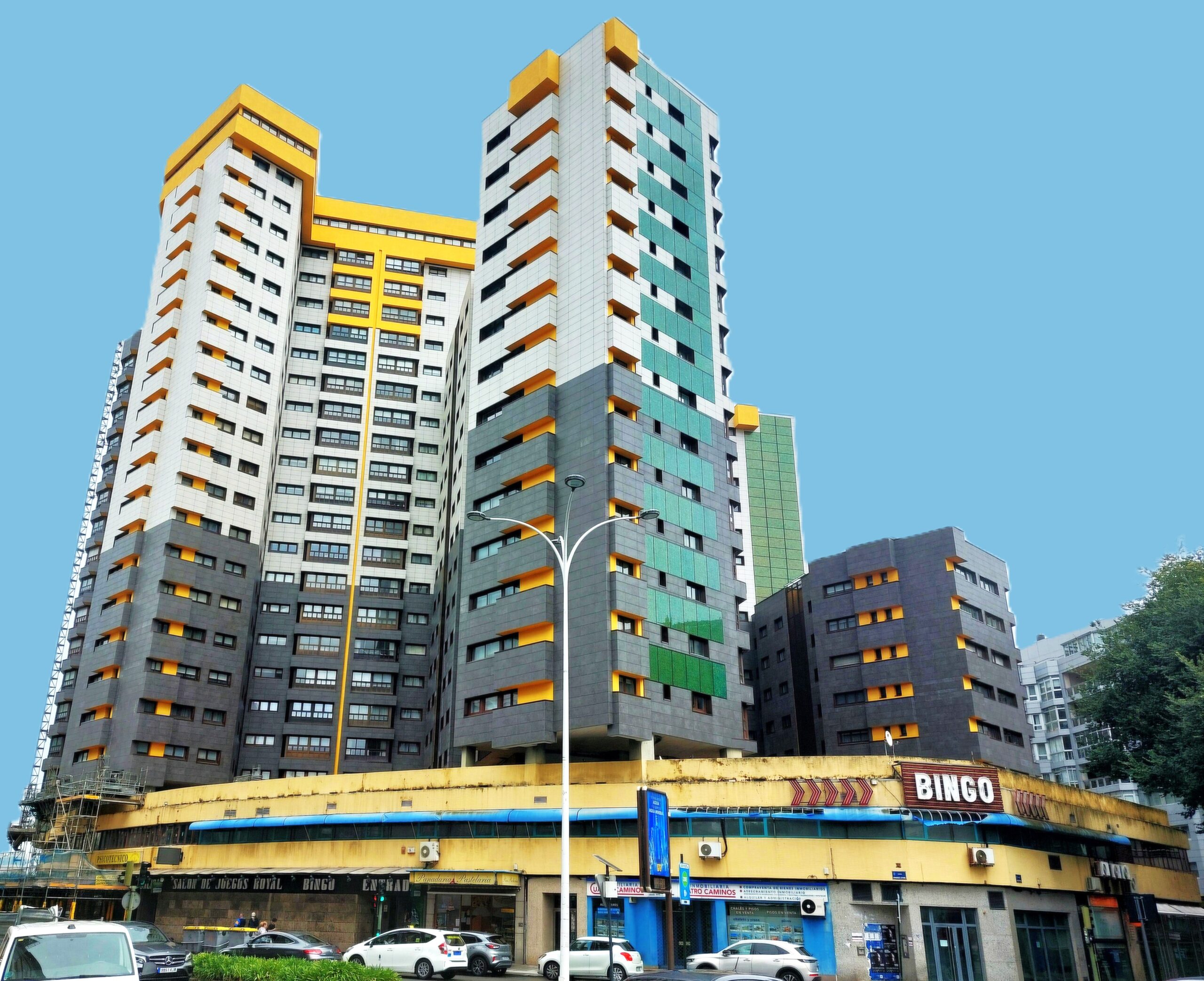
Heat pumps made in Galicia by Ecoforest solve the hardest case for heat pumps in Europe’s housing stock: a 1970s high-rise with 181 occupied flats, old radiators and high flow temperatures. Not a single radiator was replaced, not a single day passed without heating or hot water, and the works were completed with zero accidents, with residents living in the building throughout. The results are measured, not simulated: in its first full year, before any insulation or solar panel was added, the heat pump plant cut the building’s energy bill by 42%. The neighbours voted unanimously for it, and every family now pays for the heat it really uses. The building also turns sunshine into stored heat: its own solar plant charges a 20,000-litre thermal battery that the heat pumps draw on, and its new façade generates electricity with integrated PV glass. And a cool fact: the towers stand on the site where Estrella Galicia brewed its first beer — today they are proof that the 1970s apartment blocks in every European city can go fossil-free with heat pumps.
Building Solutions Award nominee
03.
Poland
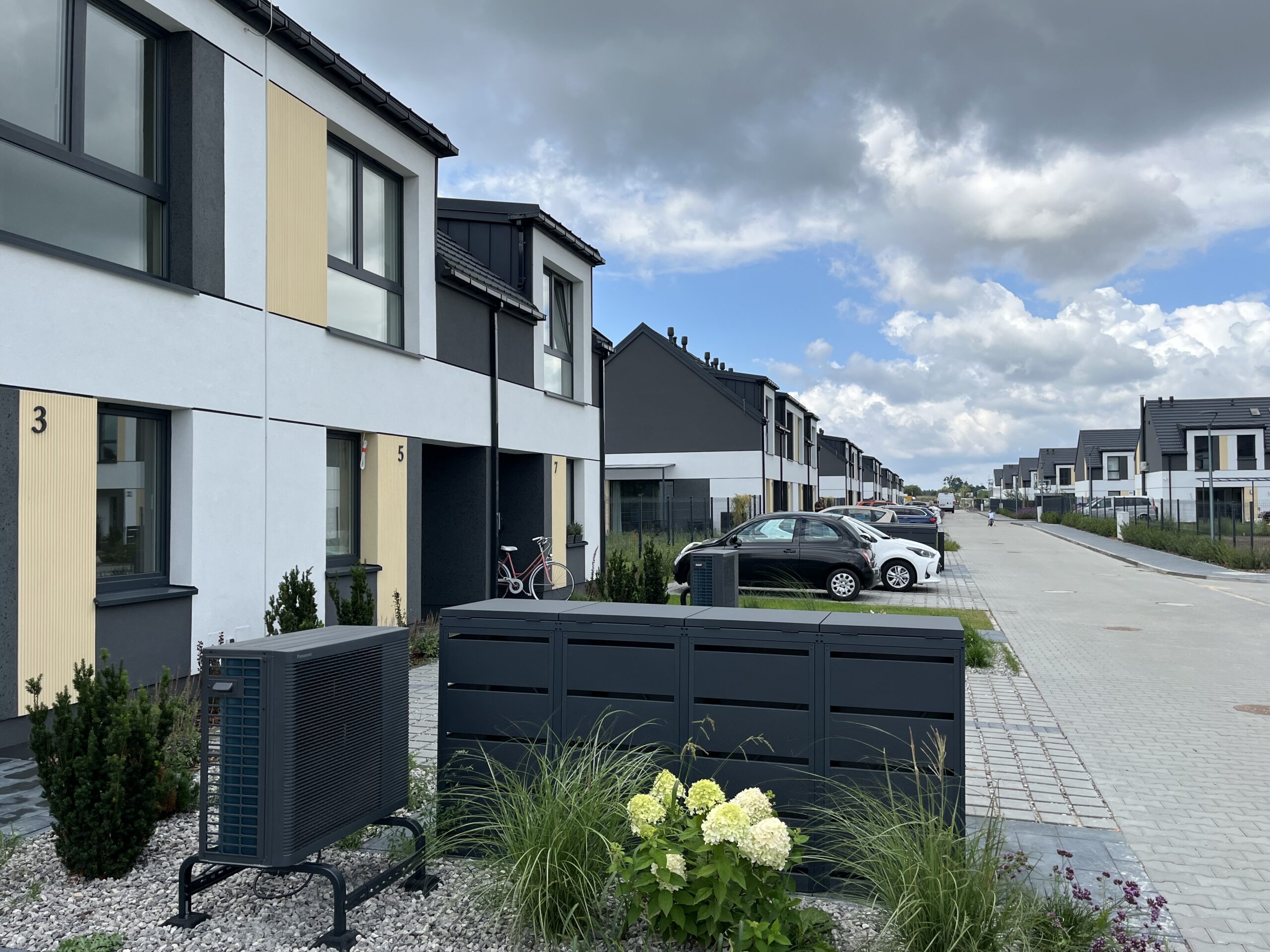
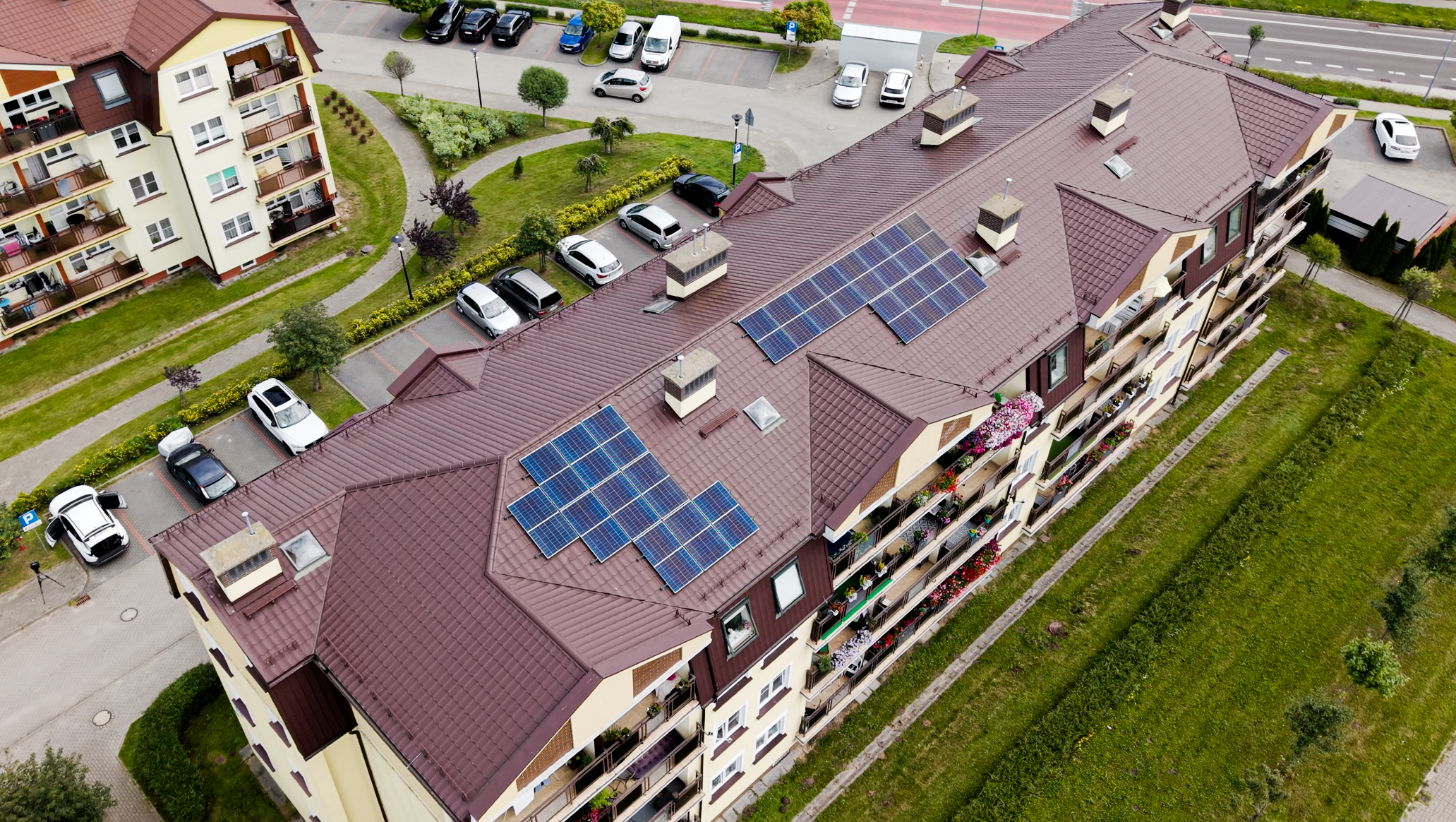
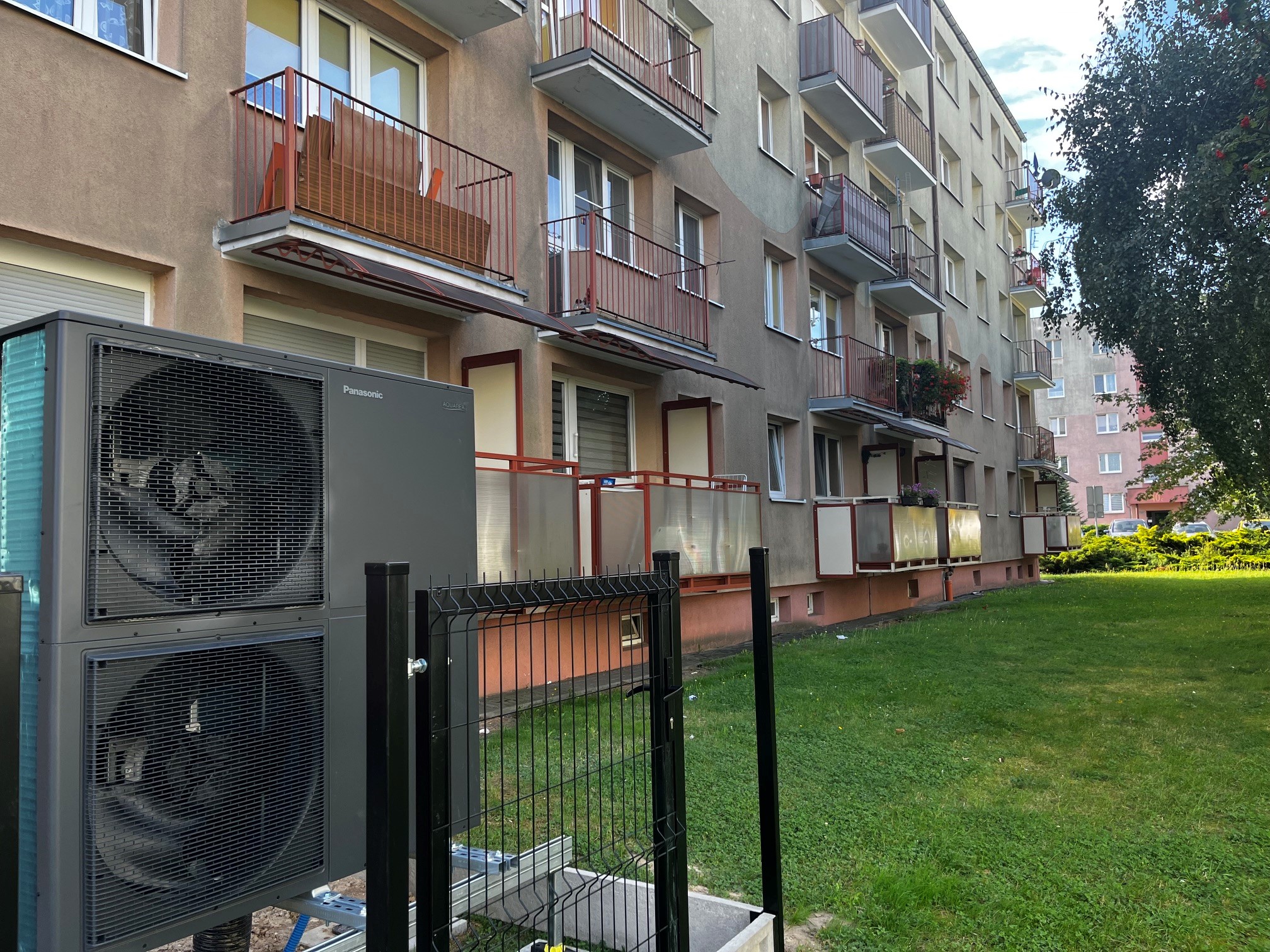
The project demonstrates how Panasonic Aquarea heat pumps can be successfully implemented on a large residential scale, combining energy-efficient heating and domestic hot water production with compact, space-saving technology. With approximately 160 homes already equipped and plans for further expansion, Ventura Verde shows the potential for scalable low-carbon heating solutions in modern residential developments.
Building Solutions Award nominee
04.
Spain
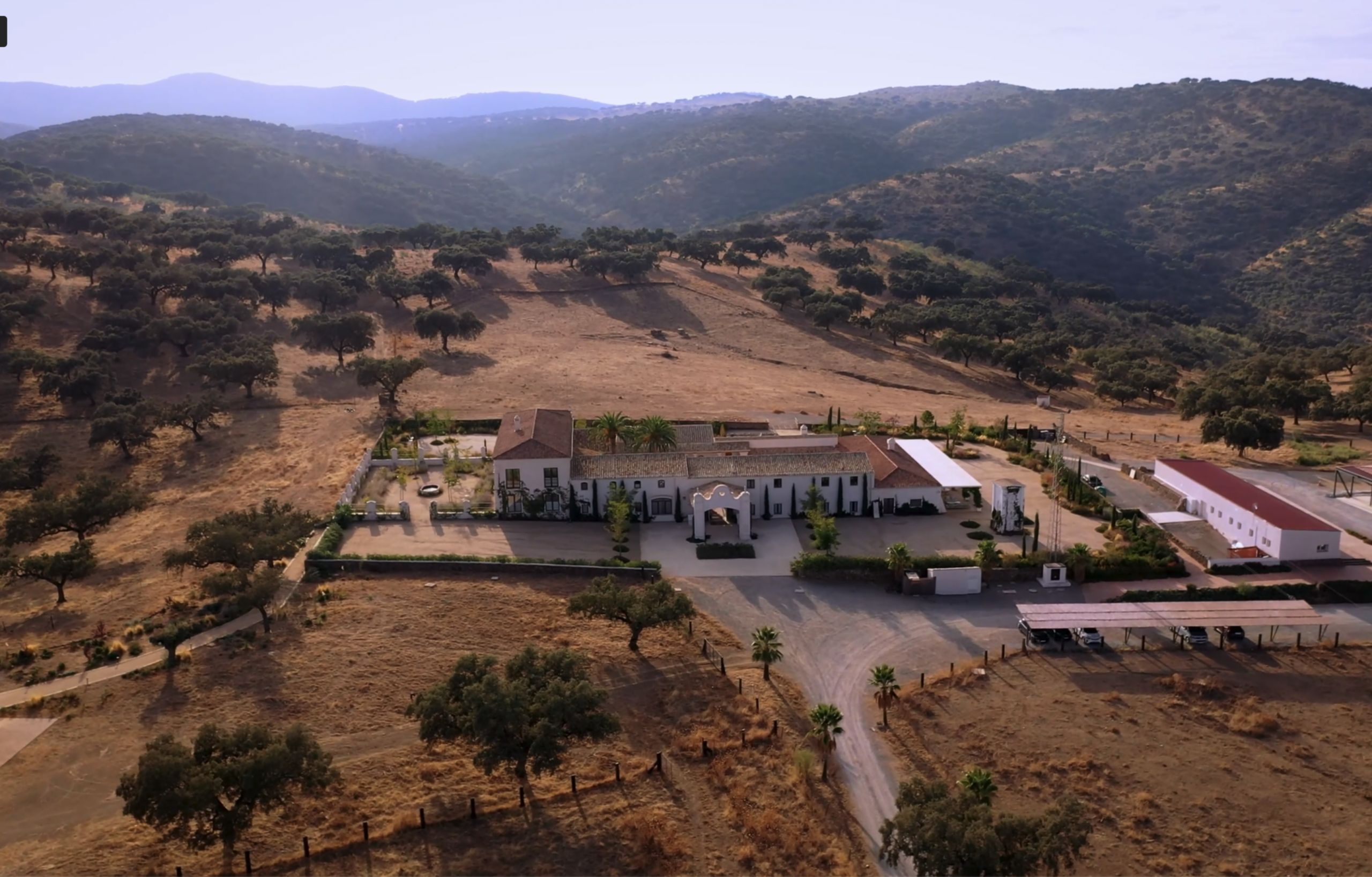
Because this project shows that decarbonising a building does not have to mean choosing between heritage, comfort and efficiency. A 19th-century farmhouse has been transformed into a five-star boutique hotel where several thermal technologies work together as one intelligent system. Heat pumps provide heating and cooling, underfloor heating delivers silent radiant comfort, and surplus heat that would otherwise be wasted is recovered for domestic hot water. Airzone coordinates these systems from a single control environment, down to individual guest-room level. What makes the project particularly compelling is that the technology is almost invisible. Guests experience a historic countryside hotel rather than a technical installation, while behind the scenes the building continuously coordinates different HVAC systems to use energy more intelligently. La Dehesa de Don Pedro demonstrates a highly replicable principle for Europe’s renovation challenge: historic and character buildings can retain their identity while adopting smart, efficient heat pump solutions capable of meeting modern expectations for comfort and sustainability.
Building Solutions Award nominee
05.
Germany
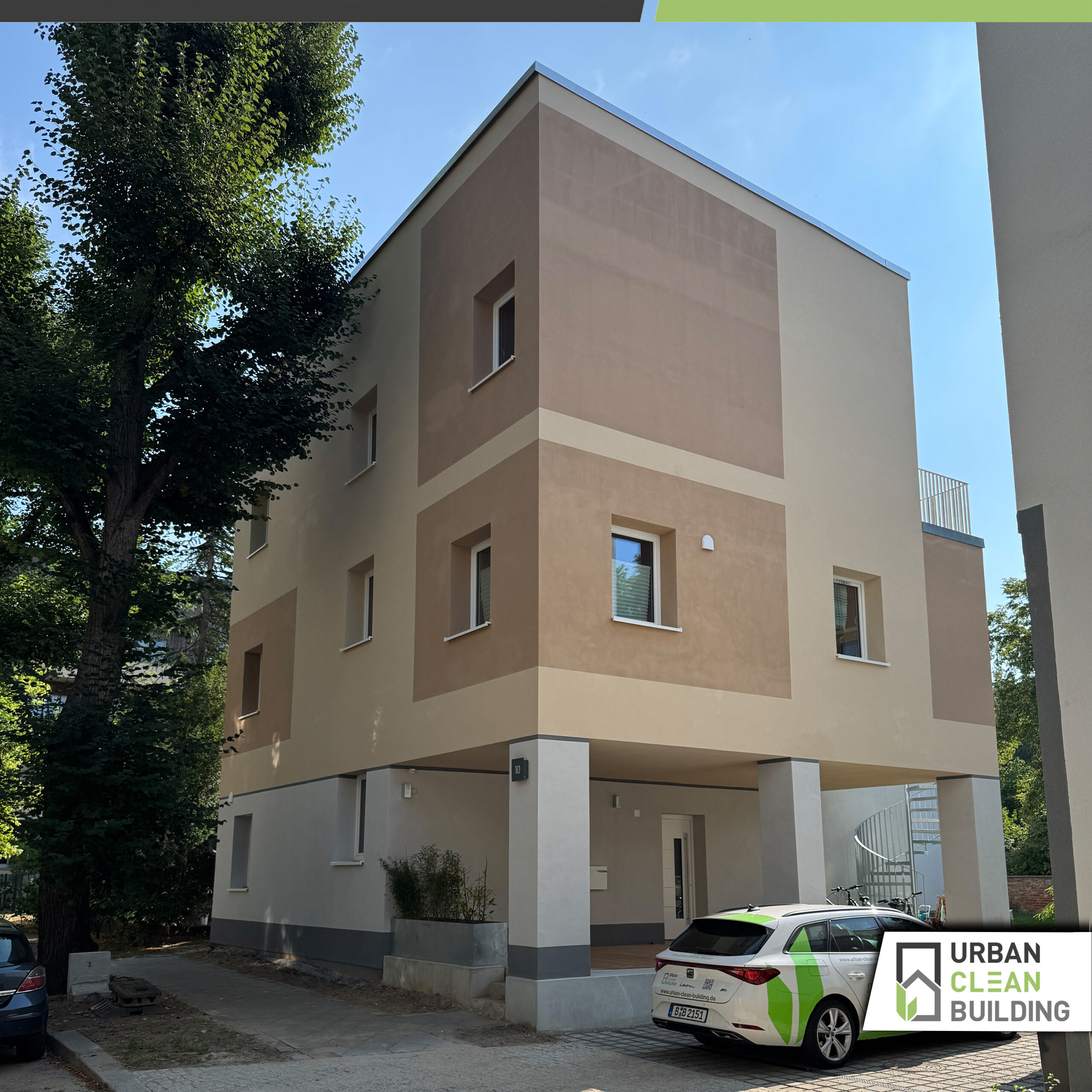
Walk up its stairs and you are stepping on treads from Berlin’s former Tegel Airport. Open a kitchen drawer and you pull on an old fire hose. The walls are made of hemp. And the heat comes from 180 metres of boreholes beneath a small city plot. These are not separate sustainability gestures — they form one building concept. The Hanfhaus shows that a heat pump project does not have to be a compromise. Its heat pump connects local ground heat with solar electricity, battery storage and forecast-informed thermal charging. Across 112 selected, fully recorded days between April and August, the house drew just 29 kWh from the grid while producing more than three times the electricity it consumed. These are spring–summer results, not annual performance. The first winter is still ahead, and we will share those results just as openly. Low-tech materials, high-efficiency geothermal heat and real measured data: the Hanfhaus shows what the heating transition can look like at the scale of a family home — beautiful, circular and built with technology available today.
Building Solutions Award nominee
06.
Denmark
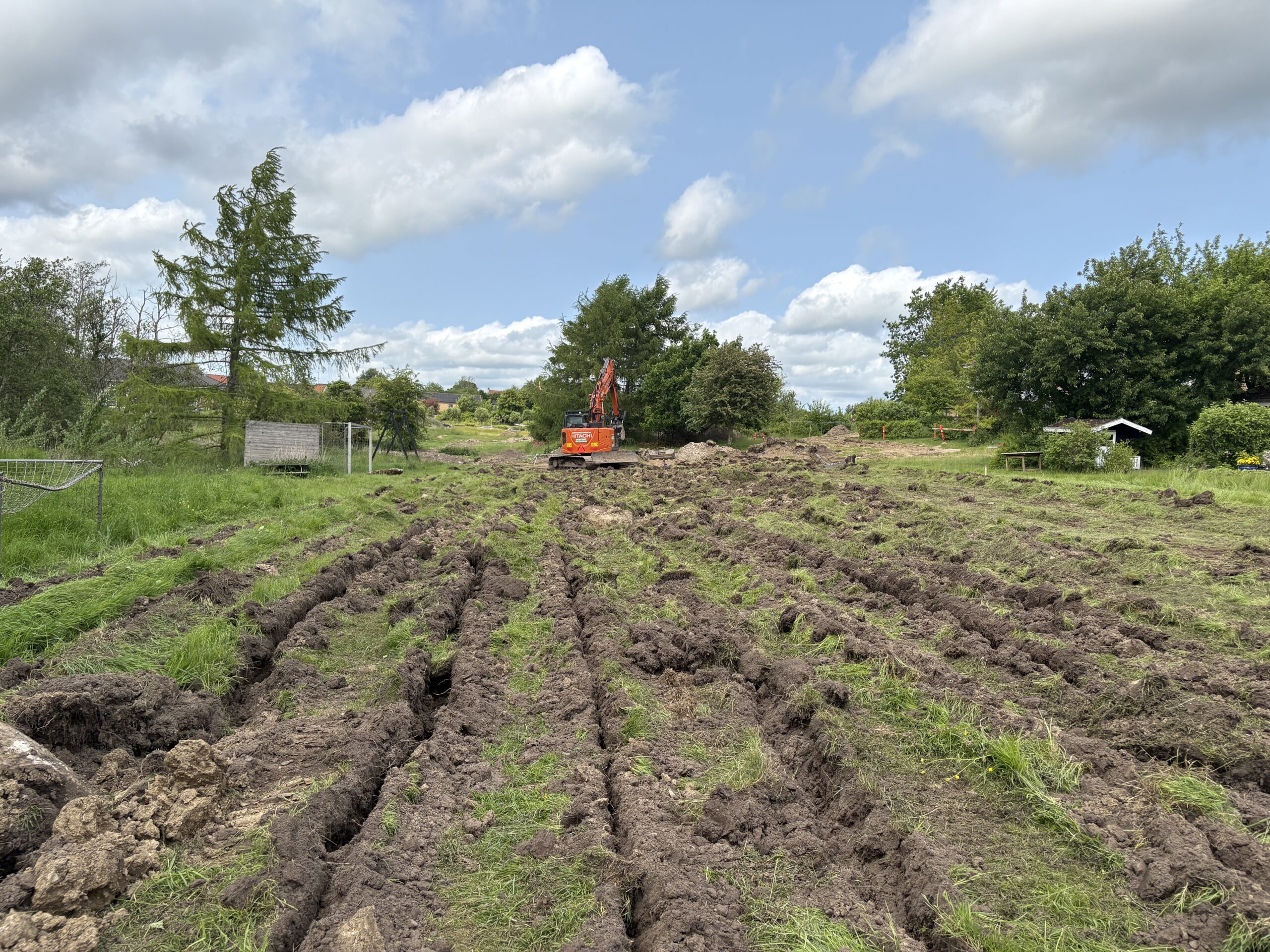
The residents of the Enghusene housing cooperative took the lead. With no turnkey offer on the market, their climate working group took the project forward, the members approved it democratically, and the cooperative acted as client for separate contracts. As a result, a municipal meadow now heats 20 homes and a communal building, and gas combustion has ended. Three things stand out: - The cooperative's site was too small for a ground collector. This was solved in cooperation with Ringsted Municipality, which made an adjacent meadow available under a registered easement. - Distribution now brings a net heat gain. With a heat pump in each dwelling, the thermonet operates near ground temperature, at 2-10°C, and gains heat from the soil where the old insulated pipes from the the central gas boiler would have lost heat. - The established thermonet opens a trajectory towards heating, and potentially cooling, based on locally produced renewable energy, with rooftop solar PV, batteries and communal smart control as possible next steps. Enghusene shows how terraced houses and rural residential areas can move from gas to heat pumps and a thermonet providing geothermal heating and potentially cooling. The project combines a technically mature and an organizational innovative approach, and housing cooperatives and cohousing communities across Europe can replicate both.
Building Solutions Award nominee
07.
Poland
Our project deserves to win because it shows that the energy transition of the challenging district-heated multi-family housing sector does not have to be slow, invasive, or costly. Surprising symbiosis: Rather than treating the heat pump as competition for the district heating network, we built a system in which both technologies work together - the heat pump takes over the cost-effective base load, while the network remains the guarantor of peak demand and comfort. Innovation in orchestration, not in the device: The project's true value lies not in a single heat pump, but in the proprietary EMS, which reconciles PV production, energy storage status, outdoor temperature, forecasted COP, and electricity and heat prices in real time - with the EMS architecture also enabling operation under variable-price (dynamic) tariffs - always selecting the cheapest and most efficient source. Convincing market validation: This is not a concept on paper - following the successful pilot, the investor ordered an identical system for two further buildings, and the solution is already operating in several dozen buildings across northern Poland. Hard numbers and scalability: -41% in the total cost of DHW (from PLN 36.35 to PLN 21.48/m³) and 15.01 fewer tonnes of CO2 per year in a single building - with a technical replication potential reaching approximately 250,000 multi-family buildings in Poland, representing nearly 5 GW of heating capacity and an estimated 2.9 million tonnes of CO2 avoided annually nationwide (based on national average emission factors for district heat and grid electricity).
Building Solutions Award nominee
08.
Spain
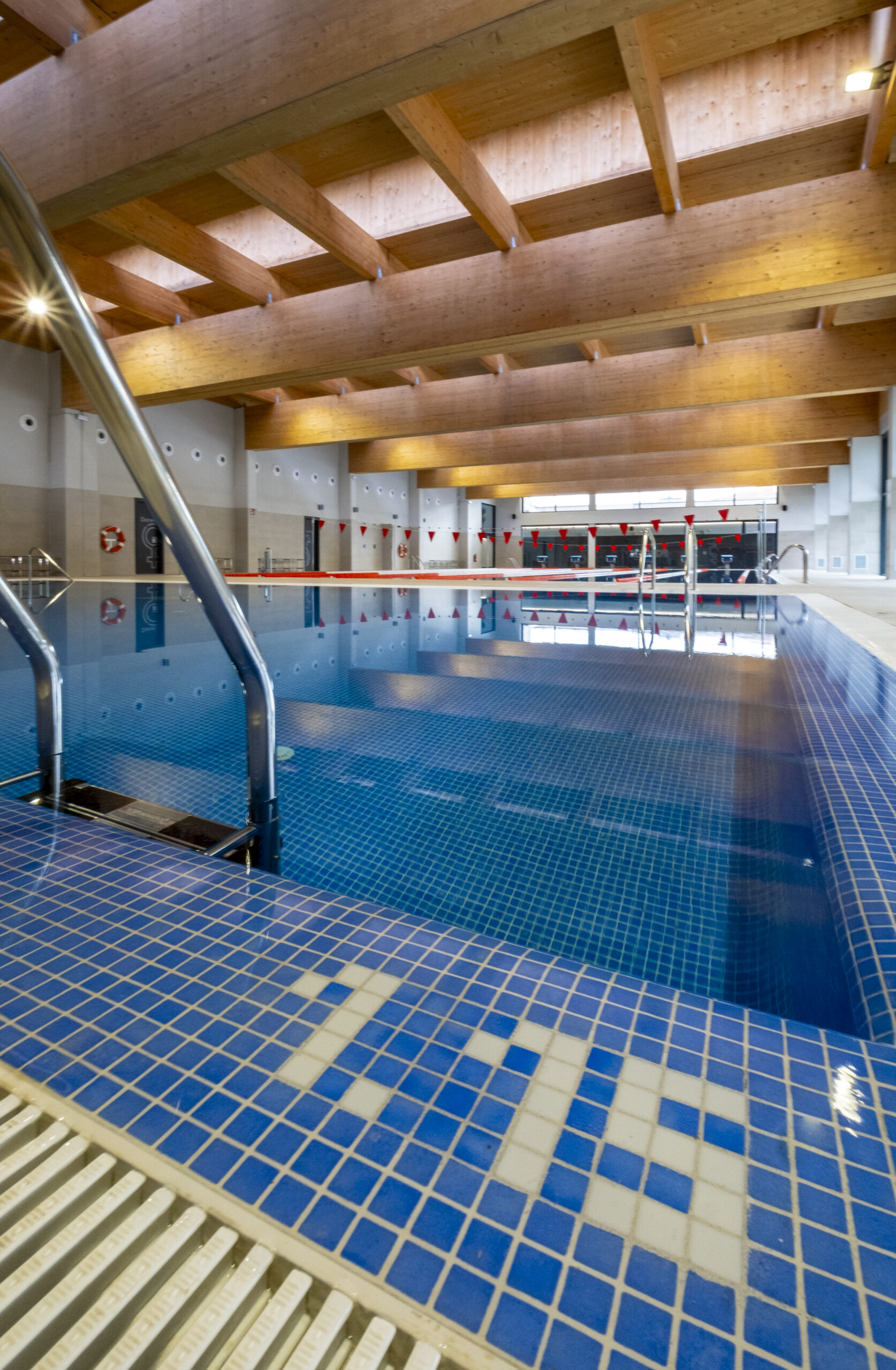
Ascó turns a building with apparently contradictory energy needs into an integrated thermal ecosystem. It simultaneously requires large amounts of heating and cooling, yet instead of treating these as separate demands, the project connects them through a geothermal energy hub. The most striking feature is the High Temperature Recovery system in-built in the heat pump: heat extracted from cooling the fitness areas can be reused for swimming-pool heating and DHW instead of being rejected outdoors. The project also recovers heat from humid swimming-pool air and from ventilation, while photovoltaic electricity can be converted into stored thermal energy in the building's water tanks. In other words, the building does not simply generate renewable energy; it continually recovers, reuses and stores energy that would otherwise be wasted. With a COP of 4.5, 133,208 kWh/year of estimated photovoltaic generation, 222,458 kWh/year of estimated total electricity savings and approximately 29.5 tonnes of CO₂ avoided annually, Ascó demonstrates how a complex public sports facility can combine comfort, resilience and energy efficiency in one integrated solution.
Building Solutions Award nominee
09.
France
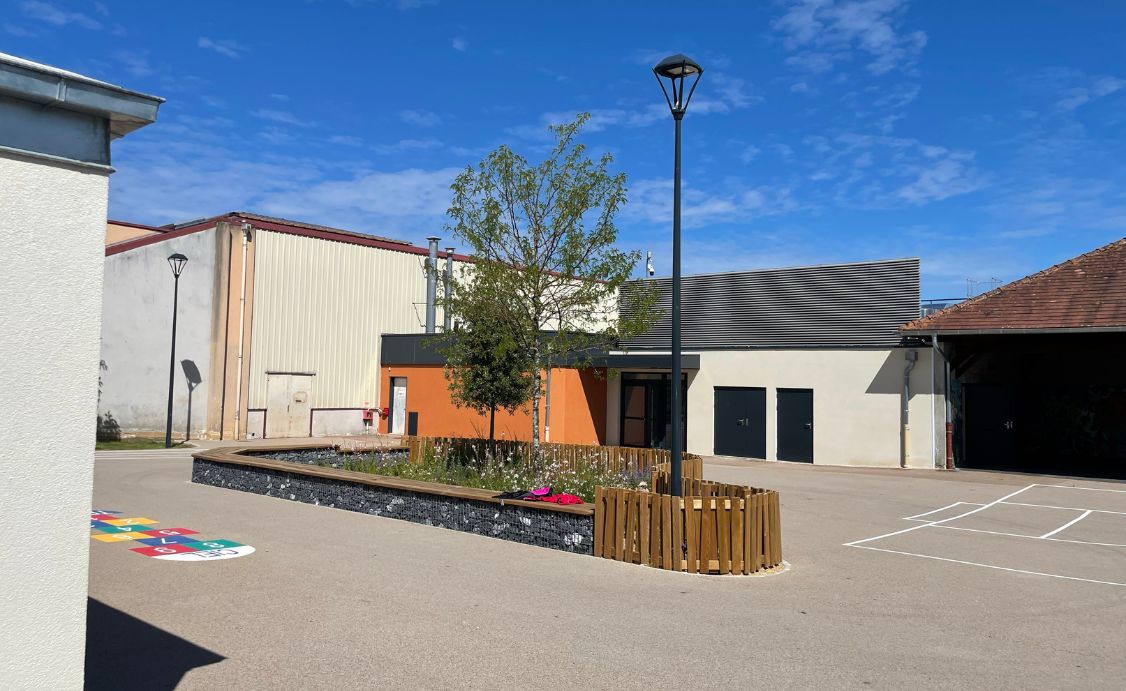
The technology used in this project is highly innovative. The heat pumps installed in a cascade configuration feature Panasonic’s T-CAP technology, which maintains full heating capacity even with extreme outdoor temperatures. This makes it possible to replace an existing gas boiler system with a low-carbon, more energy-efficient solution while delivering the same high level of heating performance and occupant comfort.
Building Solutions Award nominee
10.
Hungary
This project demonstrates how sustainability, clean energy, and social responsibility can deliver tangible benefits for both people and the environment. Serving a 150-resident nursing home, the system improves comfort, reduces emissions, enhances local air quality, and creates a healthier living environment. During the coldest winter periods (around −15°C), the previous biomass boiler consumed approximately 40-60 m³ of wood per week, at a cost of €10,000-11,000 per week. The new Panasonic Aquarea T-CAP heat pump system is expected to replace around 70-75% of this fuel consumption. Even in the coldest conditions, heat pump operation is expected to be more economical than wood firing, while in milder weather, when COP exceeds 2-3, operating costs can be reduced by up to 50-75%. The project also eliminates much of the wood storage, handling, and transport workload, while significantly reducing local combustion-related emissions. In addition, the site's wellness facilities are open to external visitors, meaning the benefits of renewable energy, cleaner air, and lower environmental impact extend beyond residents to the wider community. Technically, the installation showcases Panasonic Aquarea Big M T-CAP R290, a leading high-end heat pump solution. Its patented T-CAP technology maintains reliable high-temperature heating even in extreme winter conditions, demonstrating how renewable energy can successfully decarbonize demanding district heating applications while delivering environmental, social, and economic value.
Building Solutions Award nominee
11.
Austria
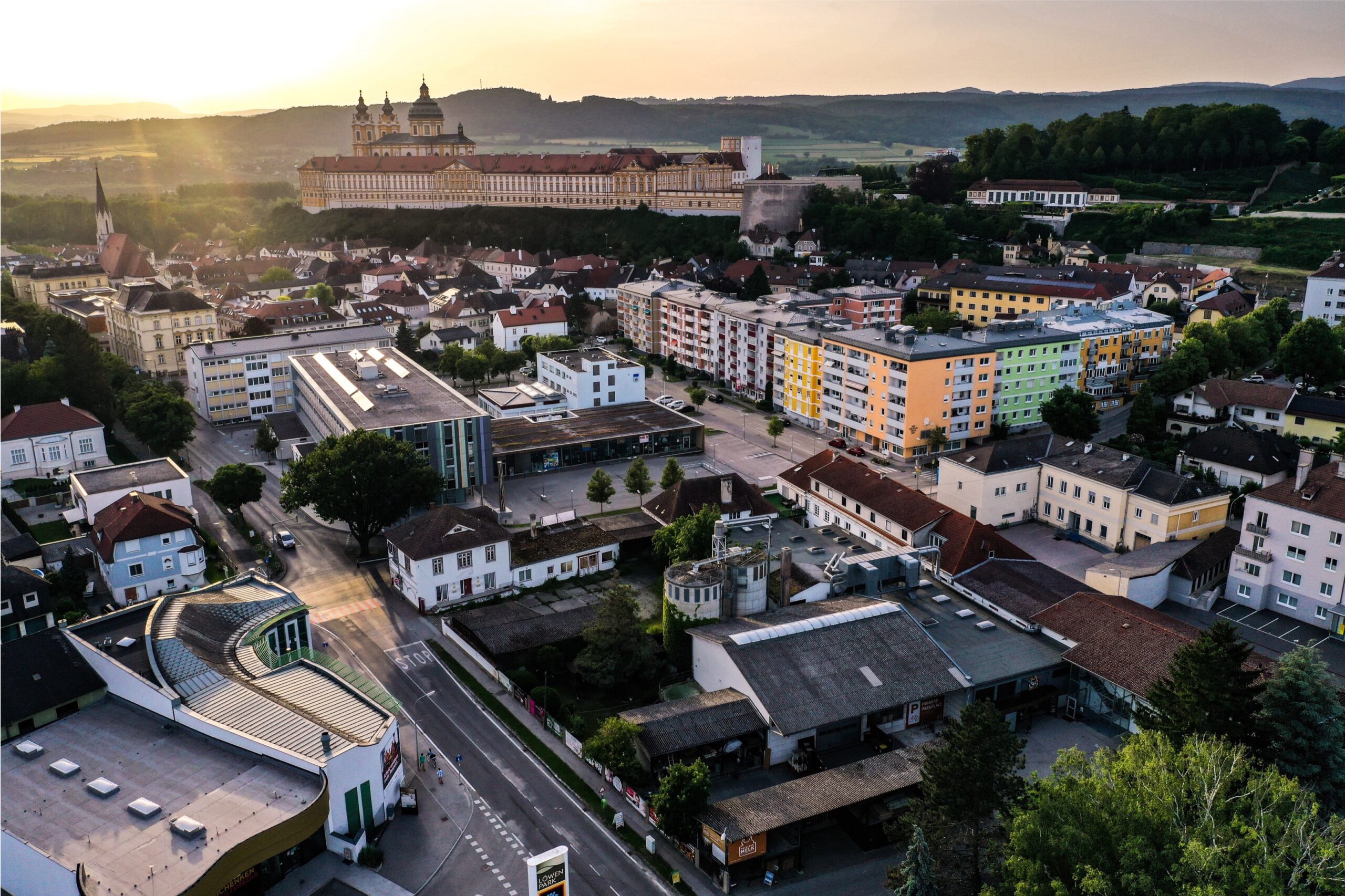
This project demonstrates how the energy transition can move beyond individual buildings and become a practical solution for entire communities. It combines climate-neutral heating and cooling, renewable electricity, energy storage and smart energy management within a real mixed-use district under development in Melk. What makes the project particularly compelling is that it is not a theoretical concept. The technologies are being developed, implemented and validated under real operating conditions as part of the transformation of a former industrial site into a sustainable and future-ready neighborhood. The project also creates value beyond energy efficiency. It supports the principles of the New European Bauhaus by combining environmental sustainability, long-term economic viability and social value within one integrated development. Most importantly, the project is designed to be replicated. If successful, the concept can provide a blueprint for future districts across Europe and demonstrate how renewable energy, flexibility and community-oriented development can work together in practice.
Building Solutions Award nominee
12.
Poland
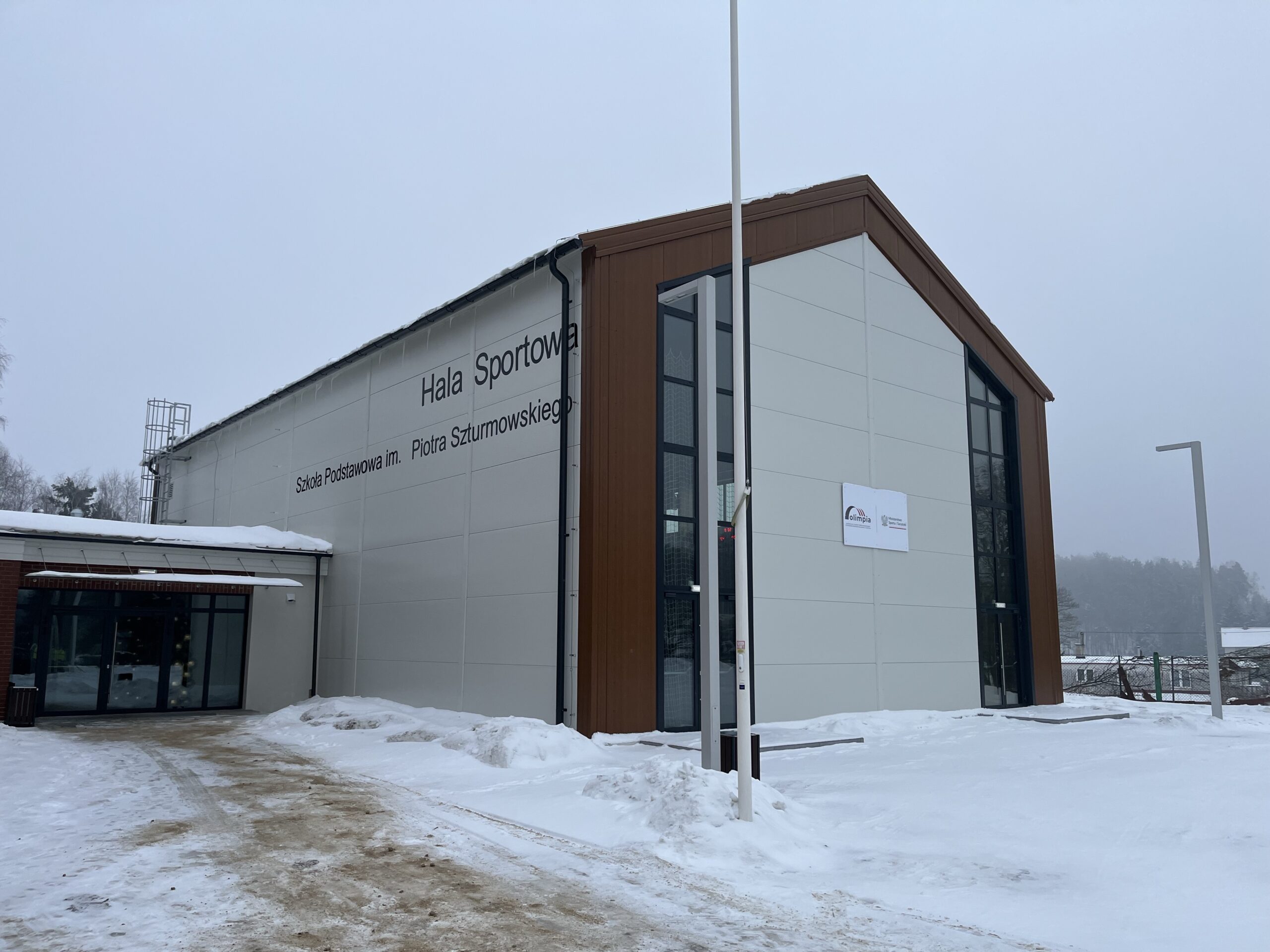
This project demonstrates how a heat pump cascade can provide a reliable, modern and maintenance-free heating solution for a public sports facility. The two-unit Panasonic Aquarea T-CAP Big M cascade covers 100% of the building’s heating demand and efficiently supplies both water heaters and underfloor heating. The project also shows how Panasonic technology can be successfully integrated into a redesigned system, providing a practical and scalable solution for other public buildings.
Building Solutions Award nominee
13.
Poland
This project demonstrates an innovative and practical way to reduce DHW costs without replacing the existing district heating infrastructure. Two Panasonic heat pumps, supported by 10 kWp of PV and 15 kWh of battery storage, provide efficient DHW heating while the existing heat substation remains as a simple and reliable backup. The solution combines lower operating costs, renewable energy and operational security in a scalable model for other buildings.
Building Solutions Award nominee
14.
Poland
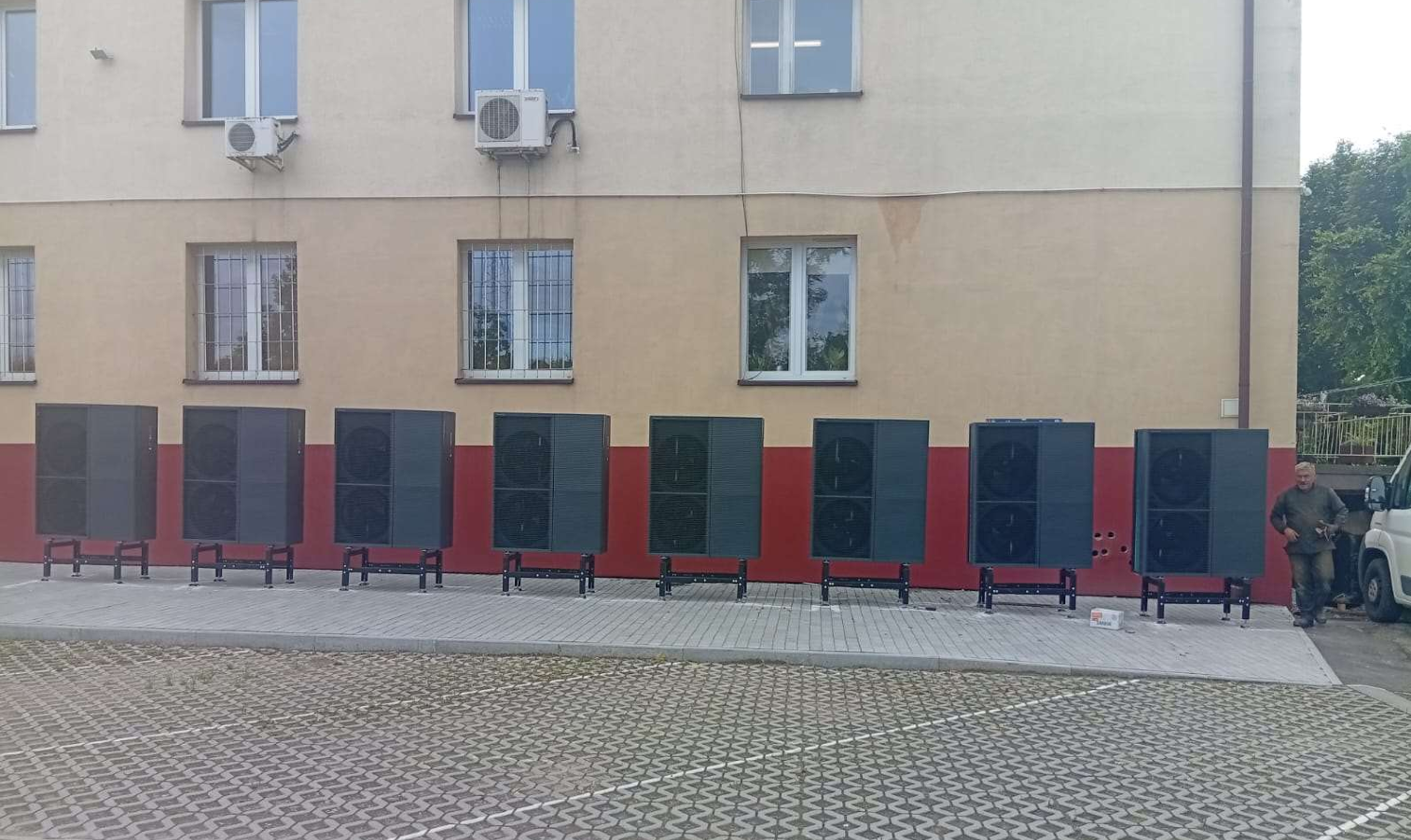
This project demonstrates that R290 heat pumps can serve as the sole heating and hot water source for multi-family residential buildings, eliminating the need for gas boilers or additional electric heating. The decentralized cascade system also enables flexible operation and accurate heat metering and billing, offering a scalable model for future apartment developments.
Building Solutions Award nominee
15.
Poland
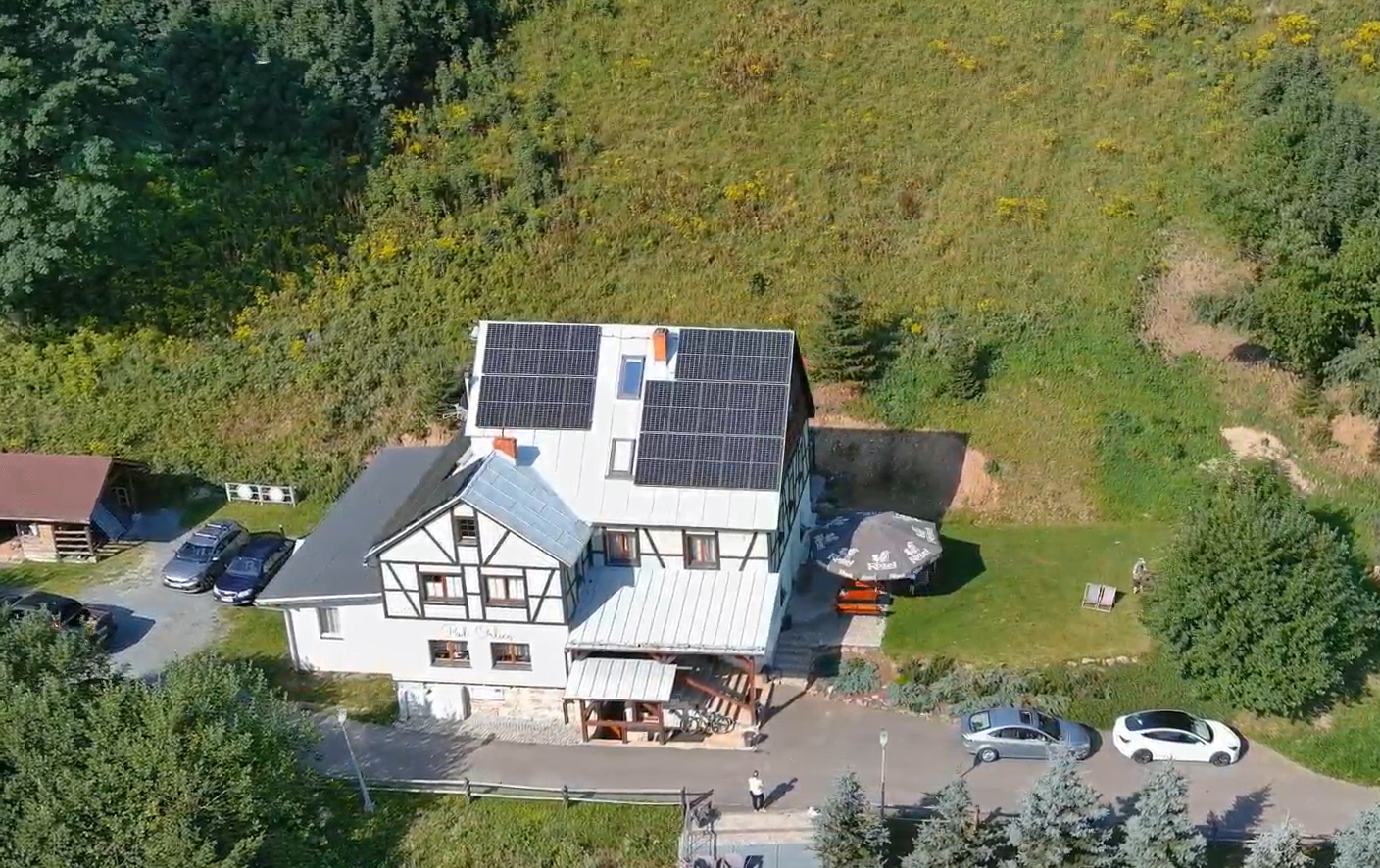
This project demonstrates that heat pumps can reliably replace solid-fuel heating even in a demanding mountain climate, with winter temperatures below -20°C. A cascade of four Panasonic Aquarea M-Series units provides 64 kW of heating capacity, covering the entire demand of a 34-guest guesthouse while using the existing radiator system. The result is maintenance-free heating and hot water, stable comfort and lower environmental impact, supported by approximately 20 kWp of photovoltaics.
Building Solutions Award nominee
16.
Poland
The objective was to provide heating and cooling for lecture rooms and food technology laboratory rooms. Panasonic ECO-i air-to-air heat pumps were used for heating and air conditioning in teaching rooms, laboratory rooms and common areas. Fresh-air preheating is provided through cooperation between ventilation airhandling units and Panasonic condensing units. An additional user benefit is improved air quality provided by nanoe™ X generators in the VRF indoor units.
Building Solutions Award nominee
17.
Poland
The project required providing at least 133 kW of heating capacity and replacing the heat distribution system, including radiators. The previous system relied on district heating. Significant savings were achieved after the first heating season.

Innovation Award

Projects focused on pioneering heat pump projects that demonstrate exceptional innovation, creativity and technological advancement, pushing the boundaries of sustainable heating and cooling.
Innovation Award nominee
01.
18.
Belgium
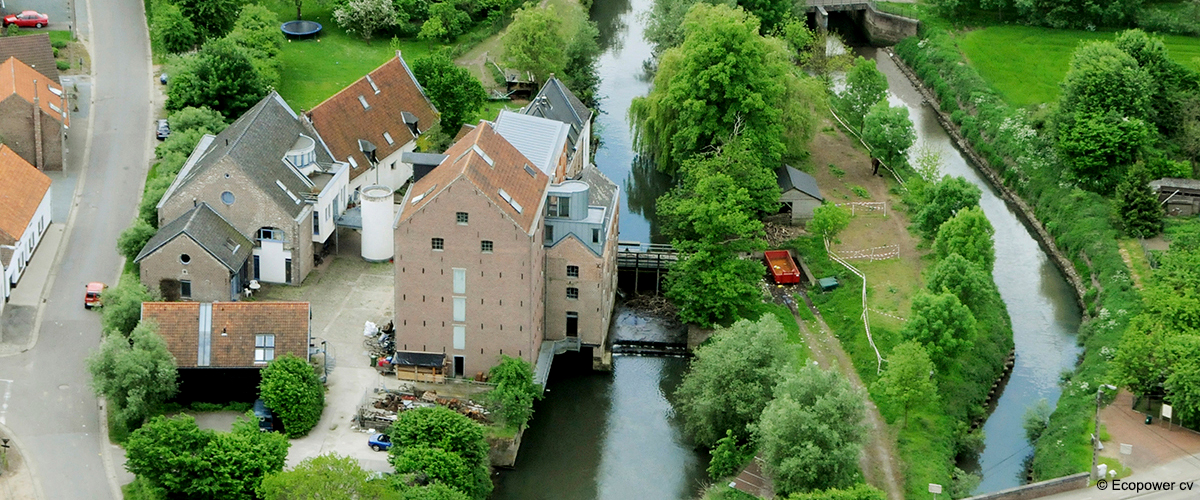
In 1991, a few people founded the energy cooperative Ecopower around a kitchen table in this mill. Today Ecopower has more than 73,000 members, and the mill where it started heats itself entirely from the river that flows beneath it. The same river turns the turbine that powers the heat pumps and provides the heat they upgrade. Even the waste heat of the turbine’s generator and gearbox is recovered. River, mill and heat network work together as one closed local energy loop, with no fossil fuel, no grid dependency for the heat and nothing visible on a heritage site. It proves that aquathermal heat pumps can decarbonise the existing buildings that are hardest to reach, collectively and owned by citizens. Europe has thousands of mills, moats and riverside communities that could follow.
Innovation Award nominee
02.
Netherlands
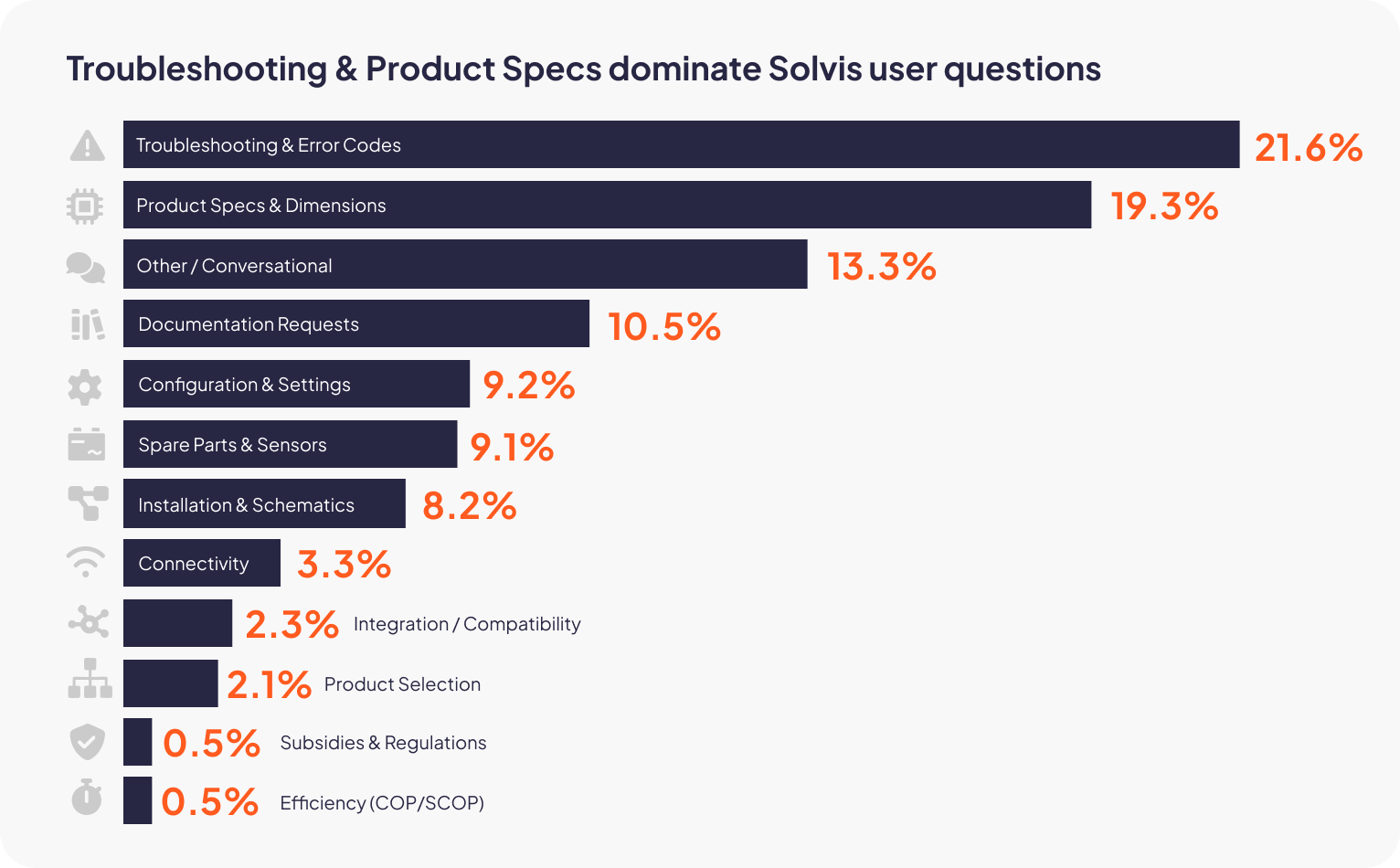
A heat pump installer can have the equipment, tools and training needed for a job and still be held up by one unanswered technical question. When that question reaches the manufacturer, it often joins a queue for the same small group of experts. This project addresses that everyday constraint on heat pump deployment. At Solvis, installers can consult the manufacturer’s knowledge directly. At Inventum, service and sales teams can use that knowledge while speaking with customers. The work has already supported thousands of installer questions, and Inventum’s evaluation indicates substantial potential to release expert time. The innovation also extends beyond answering the immediate question. When the documentation falls short, the question reveals what needs to be improved. Specialists can capture the missing explanation so that the next colleague or installer benefits from it. Two manufacturers in different countries demonstrate how this approach can serve both internal support teams and external installer networks. It starts with documentation manufacturers already possess and improves through the questions people ask. The wider impact is on Europe's energy transition. According to the European Commission, an estimated 750,000 additional installers are needed to scale heat pump deployment and meet the EU's 2030 climate goals, while at least 50% of existing installers will need reskilling. Against this enormous workforce challenge, making better use of existing expertise is just as important as training new professionals. By reducing time lost searching for information, avoiding unnecessary support calls and helping installers resolve problems faster, Chapter enables the existing workforce to work more efficiently and support more heat pump installations. This helps ease pressure on an already stretched sector and removes a practical bottleneck to the electrification of heating. Chapter deserves recognition for making specialist knowledge more accessible and reusable across the heat pump service chain. By helping the people already working in the sector do more with their time and expertise, Chapter contributes to accelerating the energy transition without placing even greater demands on an already constrained workforce.
Innovation Award nominee
03.
Canada
What is surprising about Cold Air Distribution is not simply that a heat pump heats and cools a Passive House—it is how much of the conventional HVAC system the right heat pump can make unnecessary. The Ecoforest R290 air-to-water heat pump can produce approximately 2°C chilled water for cold-air cooling, provide space heating, and generate domestic hot water above 65°C. This unusually broad operating range allows ventilation air already required for healthy indoor conditions to become the building’s heating and cooling distribution system. Instead of adding equipment, CAD asks how much can be removed. But the project is also designed to answer a bigger question: how much HVAC capacity do ultra-low-energy buildings actually need? Five Canadian pilot buildings are becoming living laboratories. For two years, heat meters, electrical circuit monitors, indoor and duct sensors, airflow operating data and on-site weather stations will measure what is happening inside the buildings, how the systems respond, and the real outdoor conditions driving those loads. This creates something still lacking in Canada: detailed real-world data connecting weather, occupancy-related internal loads, HVAC operation and actual heating and cooling loads in Passive House buildings. This project therefore combines heat-pump innovation with evidence—not just demonstrating a new system, but generating the knowledge needed to design simpler, smaller and more affordable heat-pump-based mechanical systems at scale.
Innovation Award nominee
05.
Paris, France
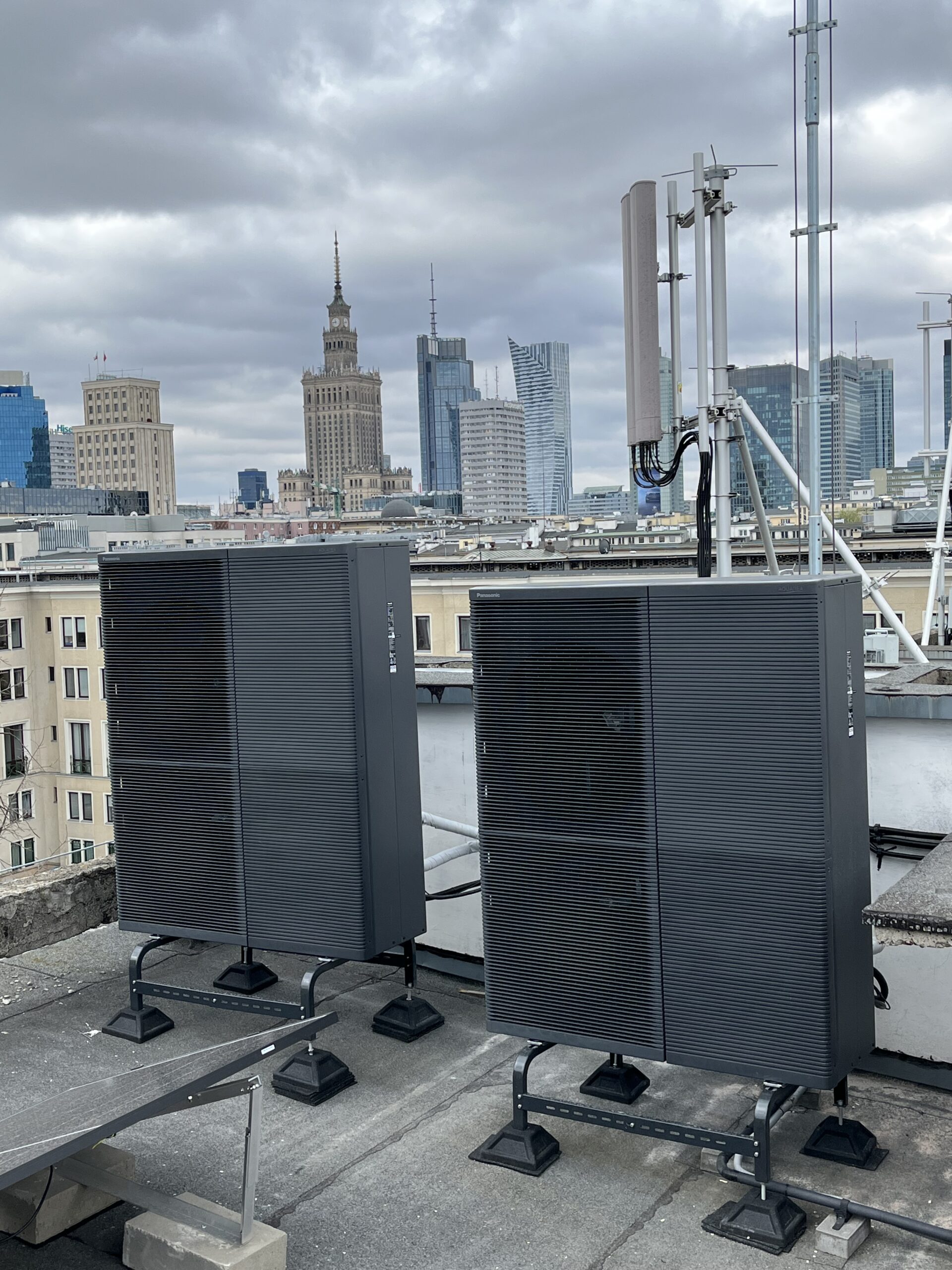
This project is innovative because, for the first time in Paris, Panasonic successfully replaced an oil boiler with 2 BIG Aquarea T-CAP heat pumps installed in a cascade configuration. This solution has decarbonized the building’s heating system while providing a more cost-effective heating solution. Thanks to the T-CAP technology (wich maintain heating even with low temperatures outside), residents’ comfort has also been significantly improved. The ageing hydraulic system meant that heating performance was less effective in the apartments located on the upper floors. Now, even tenants living on the fifth floor benefit from efficient and comfortable heating.
Innovation Award nominee
06.
Netherlands
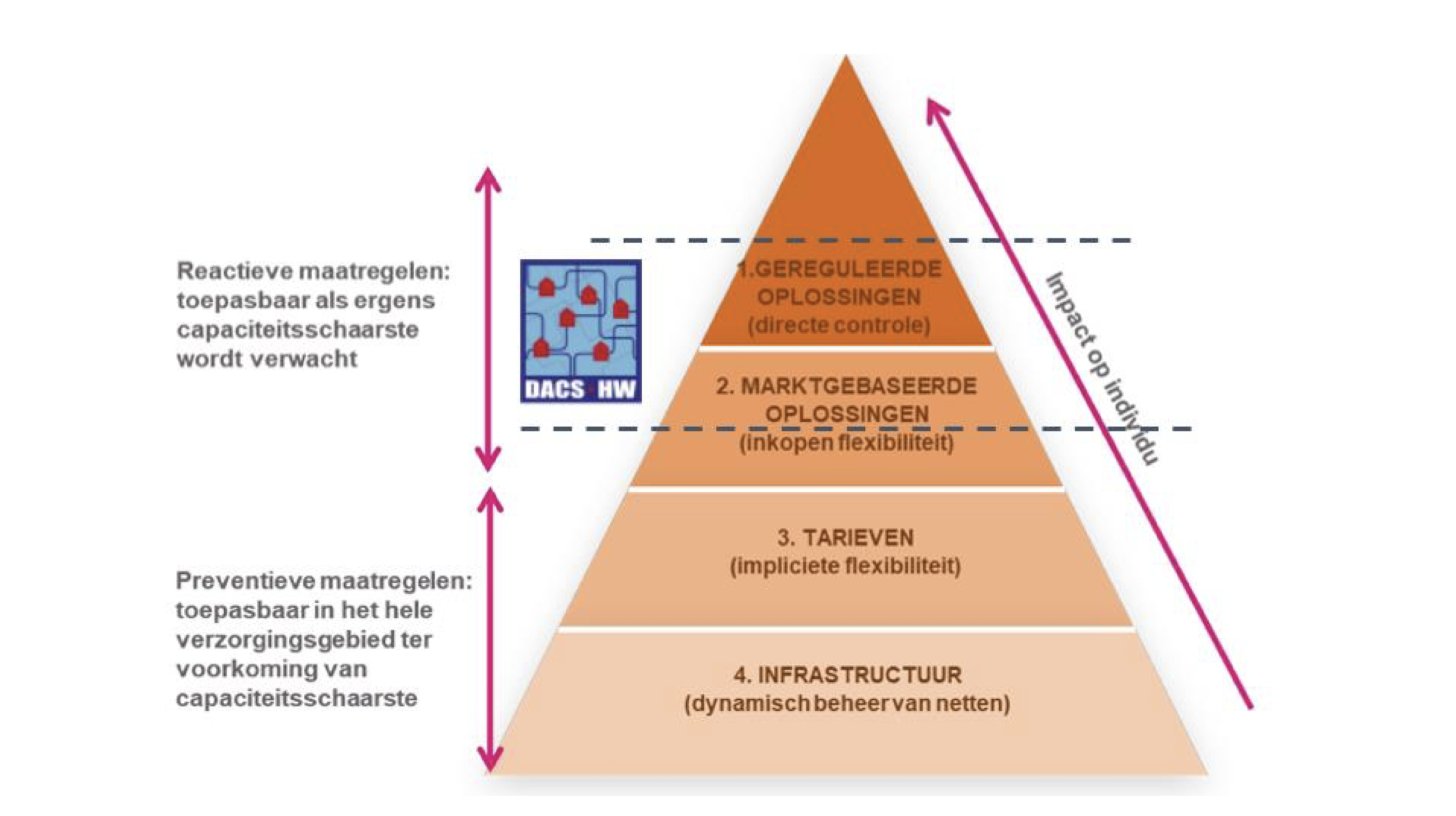
DACS-HW has moved grid flexibility from theory to reality. At Intergas, efficiency has always been part of our DNA. We became a market leader by developing some of the most innovative and efficient gas-fired boilers in Europe. Today, we are applying that same drive for innovation to heat pumps. The challenge, however, has changed. In the past, efficiency was about reducing energy consumption. Today, it is increasingly about making the smartest use of scarce grid capacity. DACS-HW proves that the next generation of heat pumps can do more than heat homes efficiently; they can actively support the electricity system. In the age of electrification, the most efficient heat pump is not the one that consumes the least electricity, but the one that creates the most value from every kilowatt available. DACS-HW makes that vision a reality.
Innovation Award nominee
07.
Spain
AIGUATERM offers an innovative approach to decarbonising heating and cooling by combining a mature and reliable technology—the heat pump—with thermal resources already available within cities. Its main innovation lies in using existing urban infrastructure without affecting its original function, reducing the need for major new infrastructure and limiting additional investment. In Valencia, the project demonstrates this concept by using a secondary non-potable water network as a heat source and sink. The same approach can be extended to other water-related urban infrastructures, providing cities with a practical, low-impact and highly replicable pathway for the energy transition.
Innovation Award nominee
08.
Switzerland
What makes this project special is that an existing high-temperature residential building was decarbonised without replacing its radiators, without rebuilding the hydronic heating system, and without installing a new low-temperature distribution system. The NIK Systems transcritical CO₂ heat pump was integrated in parallel with the existing gas boilers. Since commissioning, the gas boilers have not been required for normal operation. The system supplies approximately 70–80°C water for space heating and domestic hot water. This represents an extremely demanding operating condition for a heat pump and, in particular, for a transcritical CO₂ system, because very high supply and return water temperatures normally make it extremely difficult to maintain high efficiency. What is especially important is that the high COP was achieved specifically at these demanding high-temperature operating points. During recent optimised operation, the system demonstrated COP values reaching approximately 4.5 while operating with very high supply and return water temperatures. This result demonstrates the effectiveness of NIK Systems’ proprietary transcritical CO₂ system architecture and control strategy, and shows that R744 can be used not only for domestic hot water, but also for highly efficient high-temperature space heating in existing buildings. The project therefore challenges the common assumption that existing buildings with high-temperature heating require major renovation or complete conversion to low-temperature heating before fossil-fuel boilers can be replaced by heat pumps. Using natural refrigerant R744, the project demonstrates a practical and scalable pathway for decarbonising a large part of Europe’s existing high-temperature building stock
Innovation Award nominee
09.
Italy
STORO is an innovative heat pump water heater designed to redefine how domestic hot water systems integrate into residential spaces. The project addresses two key challenges: reducing energy consumption and CO₂ emissions, while overcoming the space and visual impact of conventional hot water systems, especially in modern and historic buildings where outdoor units may be restricted. STORO combines an R290 double-duct heat pump with a Phase Change Material (PCM thermal battery, achieving high energy density in a compact footprint comparable to a standard dishwasher. Measuring 595 × 550 × 850 mm, it can be fully integrated into standard kitchen cabinetry or installed as a free-standing unit. By comparison, a conventional heat pump water heater providing a similar amount of hot water typically uses around 300 litres of storage and can be approximately 1.70 m high. The PCM storage enables 230 L of mixed hot water (V40), with target Class A+ efficiency and a nominal COP target of 3.1. Smart Grid and photovoltaic optimization functions use the PCM as a thermal battery, storing renewable energy for later use and reducing grid consumption. Multiple air-source configurations increase installation flexibility and energy efficiency. STORO transforms the heat pump water heater from a conventional technical component into a compact, connected and sustainable household appliance designed to integrate naturally into the home.

Large Heat Pump Award

Large-scale heat pump projects that maximise the use of waste heat in industrial processes and energy systems, delivering significant energy savings, scalability and decarbonisation.
Large Heat Pump Award nominee
01.
Germany
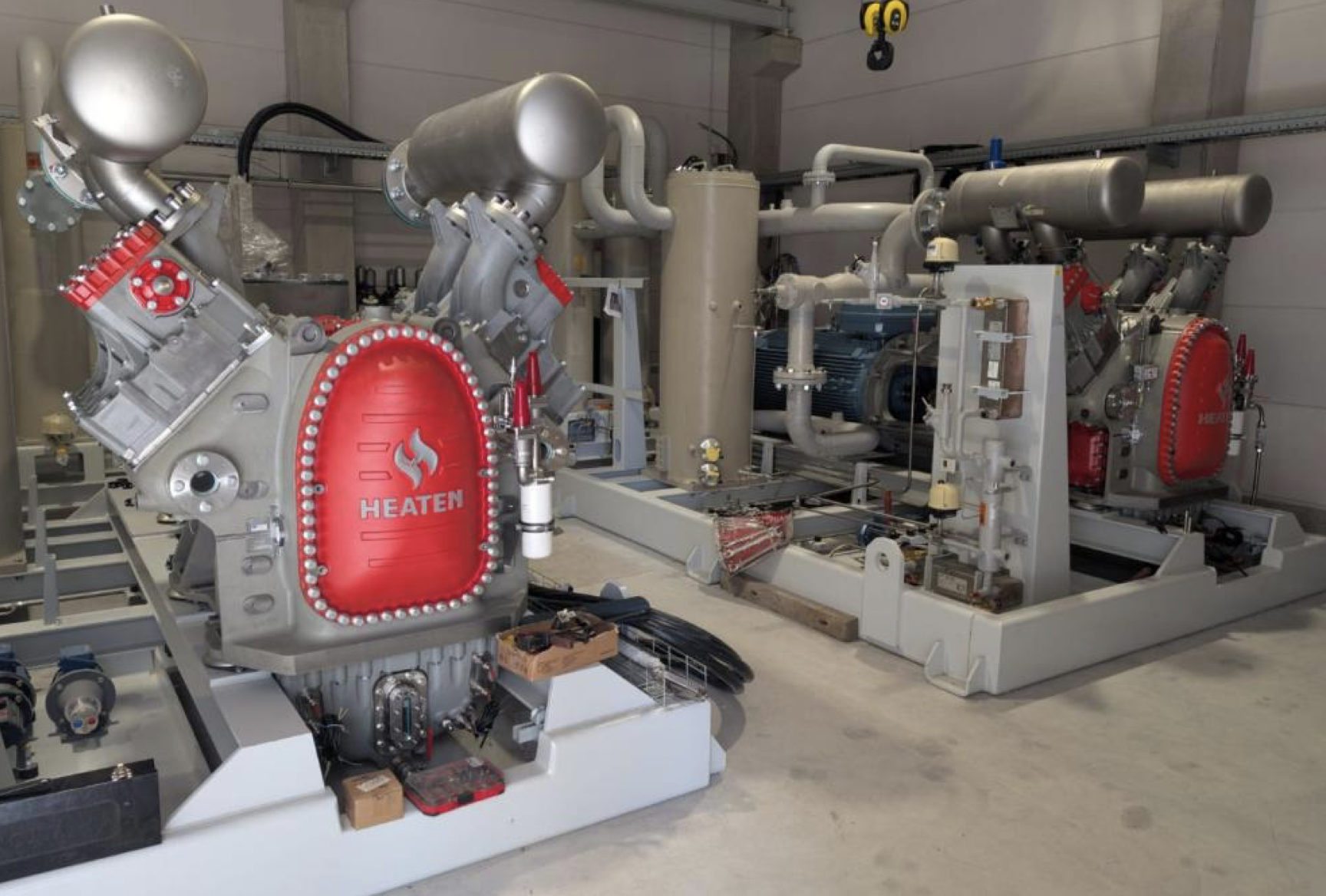
Integrating a closed loop heat pump in a steam/steam application including a split system appraoch is unique worldwide! It shows an alternative solution for integration in brown-field application with highly demandingspace constraints and flexibility demand.
Large Heat Pump Award nominee
02.
Austria
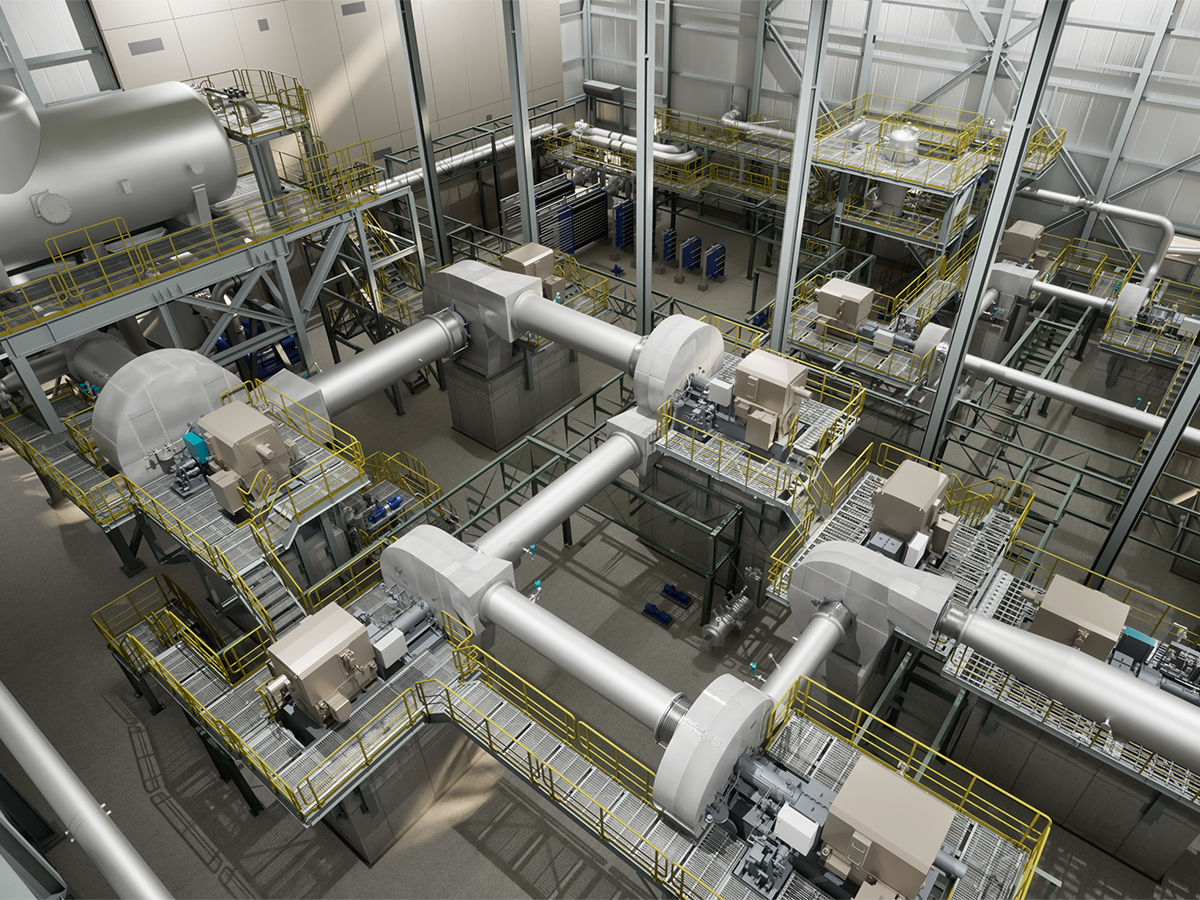
This project is a first-of-its-kind implementation at this industrial scale. At BASF’s Ludwigshafen site, GKT is delivering a turnkey large-scale heat pump system that converts waste heat from a steam cracker into carbon-free process steam. With up to 47 MW thermal capacity, 60 metric tons of steam per hour and an 11-stage compressor system, it will rank among the world’s most powerful industrial heat pumps of its kind. Powered by renewable electricity, the system is expected to avoid up to 100,000 metric tons of CO₂ emissions per year and provide approximately 7% of the site’s steam demand – demonstrating industrial decarbonization at a truly relevant scale.
Large Heat Pump Award nominee
03.
Belgium
In the energy-intensive sugar refining industry, juice concentration relies on multi-effect falling film evaporators traditionally driven by fossil fuel-fired steam boilers. Under the EU Horizon Europe project SPIRIT, a first-of-a-kind 4 MW high-temperature heat pump (HTHP) was developed by GEA and integrated into Tiense Suikerraffinaderij in Tienen, Belgium. The heat pump uses the natural refrigerant n-Pentane (R-601), which is a hydrocarbon with a GWP < 1, and recovers low-grade vacuum vapor at around 75 °C from the final evaporation effects and upgrades it into process steam at 115 °C - 140 °C (verified up to 150 °C) directly for the primary evaporation effect. Through demonstration in a real industrial environment the novel heat pump has proven the potential for enhancing energy efficiency and accelerating industrial decarbonization by using advanced heat pump solutions.
Large Heat Pump Award nominee
04.
Germany
This project shows that industrial heating transition is commercially and operationally viable, and that heat pump solutions are already meeting the needs of demanding industrial applications, not just of building environment. What makes it especially compelling is the innovative partnership between multiple stakeholders to deliver a modular, pre-fabricated plug & play heat pump installation, using digital photography and 3D modelling. This model can be truly transformative and help energy-intense industries to decarbonise and modernize their heating and cooling installation without impacting manufacturing productivity. The modular approach also allows manufacturers to either build in operational redundancy, or expand capacity as needed. The project proves that companies in energy-intensive sectors can replace oil-based heating with modern heat pump solutions without compromising reliability, productivity, or operational quality.
Large Heat Pump Award nominee
05.
Netherlands
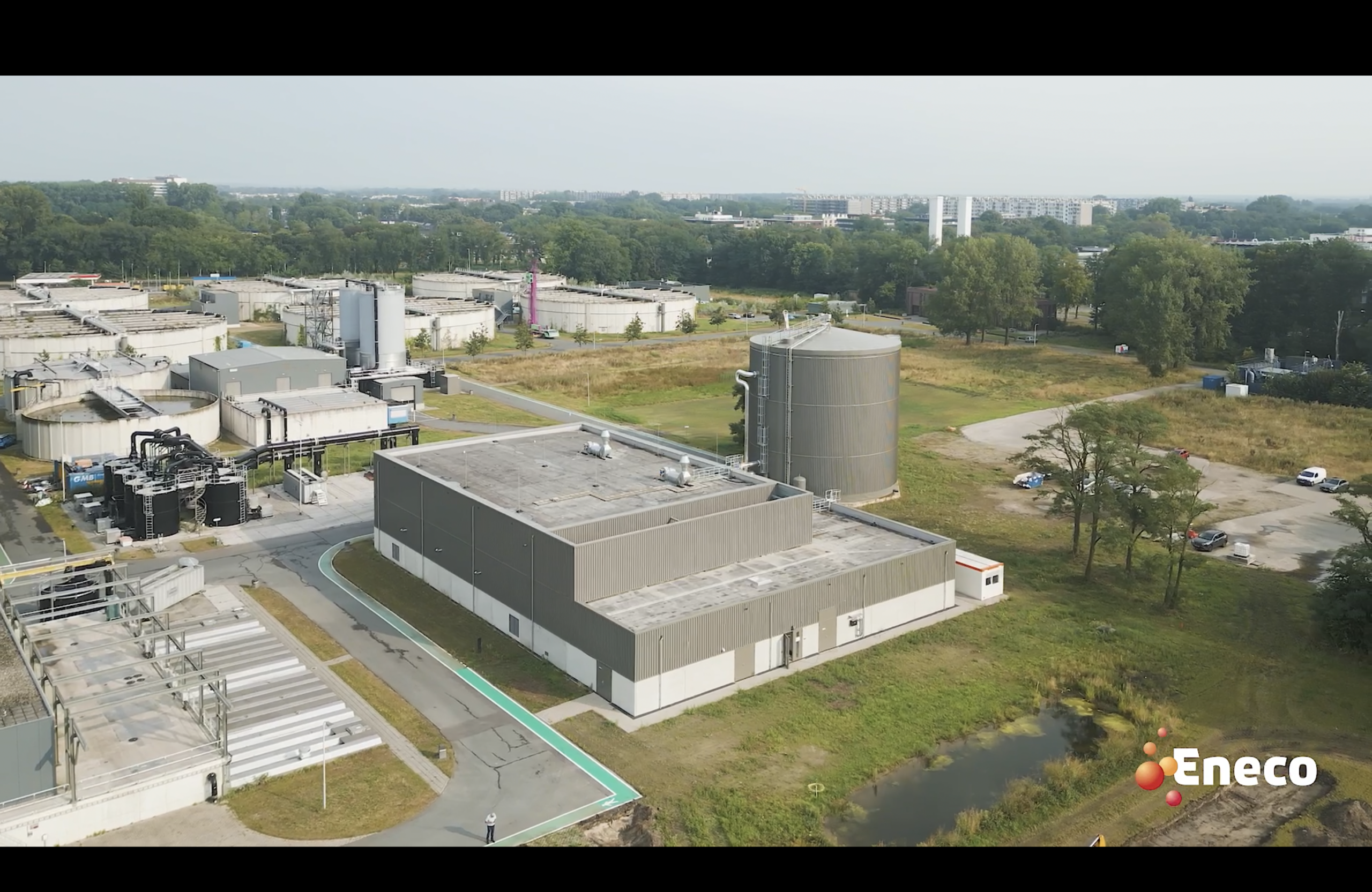
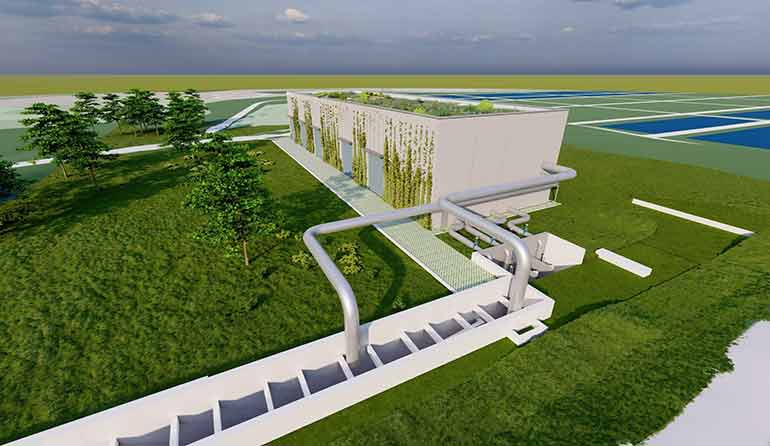
Nomination: Eneco Utrecht Wastewater Heat Pump Eneco and the water authority hve built the largest heat pump in the Netherlands at the Utrecht sewage plant in Overvecht. Every day, about 65 million litres of wastewater are treated at the plant, and the treated water stays at 12 °C or more even in winter. A heat exchanger draws heat from it, and the heat pump lifts the temperature to 75 °C or more for the district heating grid. The plant delivers about 27 MW, supplies roughly 20,000 households in Utrecht and Nieuwegein, and covers about 15% of the network's heat demand. It saves around 30,000 tonnes of CO₂ per year. Located in the middle of a residential area, close to an existing heat transfer station, the plant loses little heat on the way. It makes the oldest district heating network in the Netherlands, more than 100 years old, more sustainable. The cooperation between a utility and a water authority sharing one site is a model for other cities.
Large Heat Pump Award nominee
06.
Germany
Hamburg Wasser and Hamburger Energiewerke have built Germany's largest wastewater heat pump at the Dradenau sewage plant. Four 15 MW turbo-compressor units deliver 60 MW of thermal output, withdrawing heat from treated wastewater that stays at 18-12 °C or more less all year. The water is heated to about 95 °C and fed straight into Hamburg's district heating grid. The plant can supply up to 39,000 households and save up to 90,000 tonnes of CO₂ per year by replacing fossil-generated heat. It is a key module of the Energiepark Hafen to make Hamburg's heating coal-free by 2030. The project also created a showcase for others. Hamburg's years of advocacy changed the German CHP Act so that wastewater heat is treated as an environmental heat source, opening funding for similar plants across Germany.
Large Heat Pump Award nominee
07.
Poland
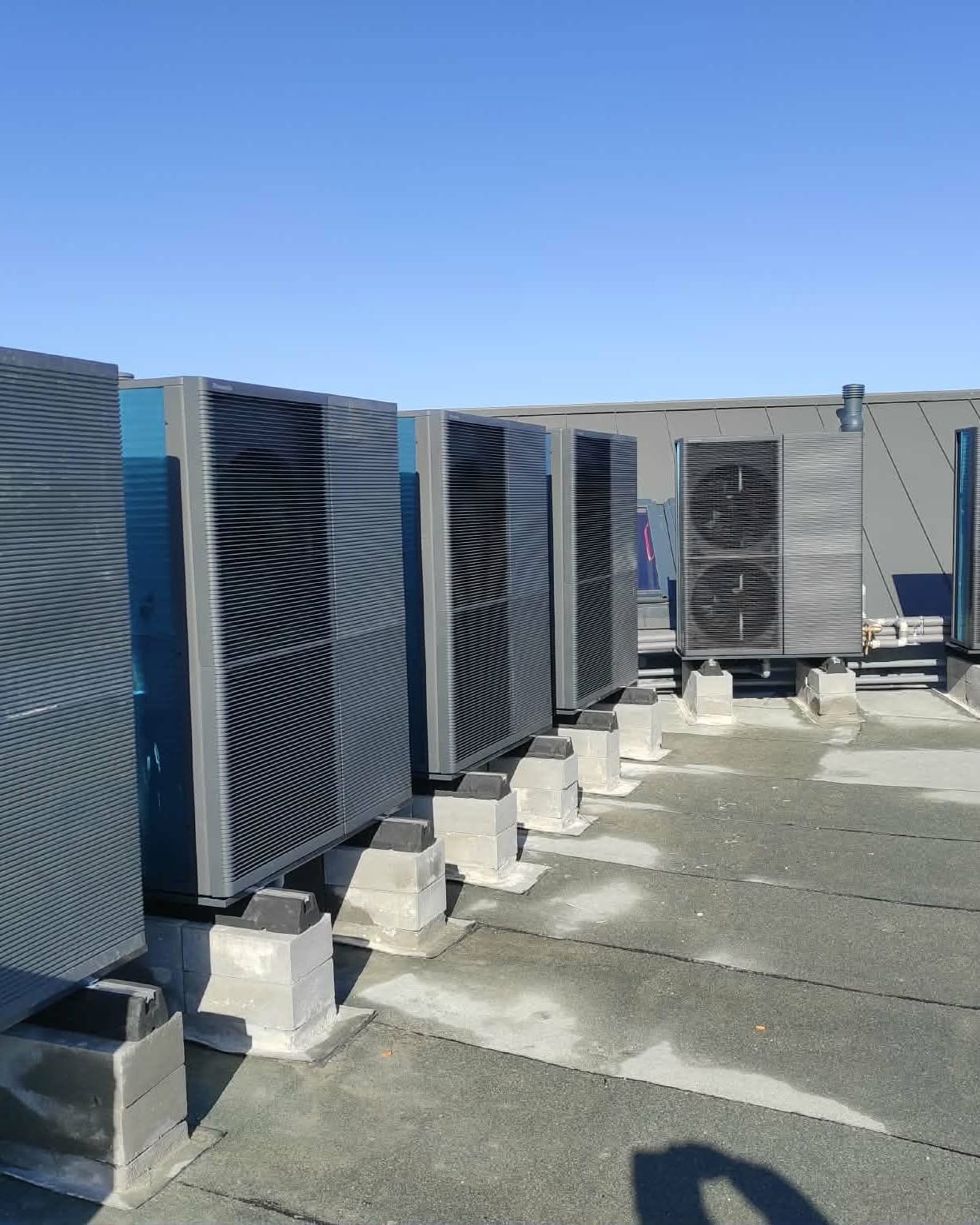
This project demonstrates how a large-scale heat pump cascade can provide a reliable and modern heating and DHW solution for a public sports facility. Six Panasonic Aquarea T-CAP Big M units provide 100% of the building’s energy demand, while the cascade controller ensures optimized operation. The project also demonstrates how an existing design can be successfully adapted to Panasonic technology to meet the specific needs of the building.
Large Heat Pump Award nominee
08.
Finland
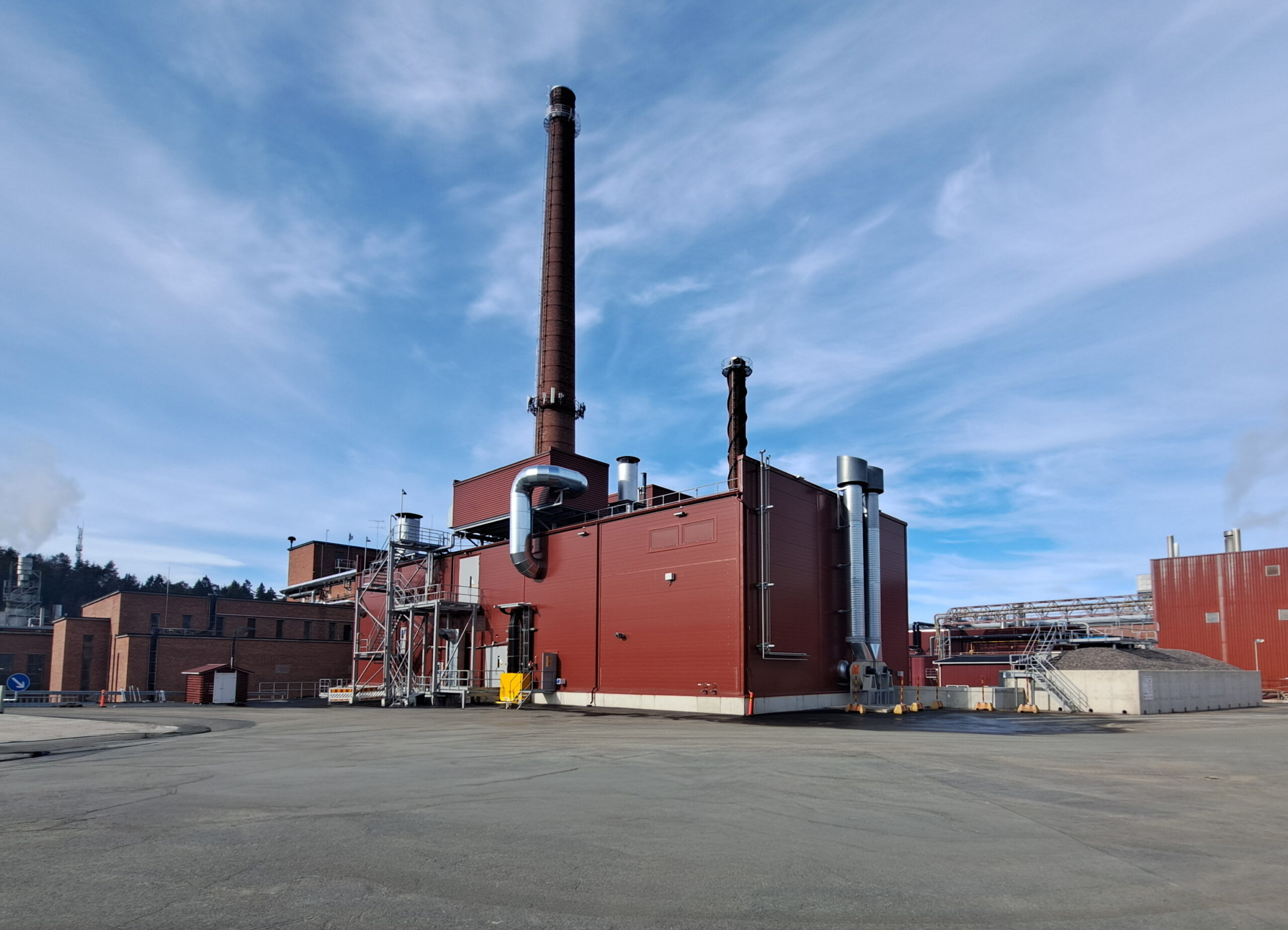
This project represents a major milestone in industrial heat electrification. It is the world’s largest steam-generating heat pump in operation and a true first-of-a-kind installation, combining a large hydrocarbon-cycle heat pump and a steam compressor in a novel series configuration capable of achieving steam conditions that neither technology could reach independently. The system uses natural refrigerant R600a (isobutane), with very low environmental impact (GWP 3, ODP 0), and a highly customized thermodynamic cycle optimized for high-temperature steam production. Beyond its innovative design, the plant has exceeded its contractual performance guarantees, achieving COP values above target and steam production up to 20 t/h. It has demonstrated exceptional operational flexibility, including rapid warm restarts within minutes and the ability to withstand major process disturbances, such as a 40% drop in thermal output during a paper break, without tripping. The project also delivers tangible environmental and operational benefits, avoiding approximately 19,000 tonnes of CO₂ emissions per year, achieving 98.3% technical availability, and fully electrifying steam generation under normal operation. Furthermore, it was successfully retrofitted into a paper mill with limited installation space, demonstrating the flexibility of large-scale heat pump solutions even where space availability is limited.
Large Heat Pump Award nominee
09.
Sweden
Everyone assumes industrial drying is too hot and too dirty for heat pumps. The evidence says the sector agrees: IEA HPT Annex 59, led by RISE, surveyed 230 Swedish industries and found exactly one respondent in 71 using a heat pump for anything beyond heating sanitary water. An entire process class, consuming 13 to 35 TWh a year in Sweden alone, has been written off. MVR4G-DRY proves the assumption wrong, and it does so using the fuel that was there all along. Every gypsum board dryer already generates the working fluid its own heat pump needs, as vapour evaporated from the boards and vented up the stack. Seven steam compressors in series refuse to let it leave, recompressing it to 210°C at a lift of 160°C. Industrial MVR systems typically reach 140 to 180°C with lifts of 40 to 100°C, so this sits well outside what the technology is currently assumed capable of, with water and n-pentane as the only working fluids and no PFAS anywhere in the system. The surprising part is the scale of what one machine does. Replacing a single gas burner on a single production line removes 16,000 tonnes of CO2 per year and delivers 0.45% of Sweden's entire 2030 emission reduction target. Specific energy consumption halves, from 0.778 to below 0.389 kWh per kg of water evaporated. At the 2024 carbon tax rate, that one line is worth MSEK 23 a year in avoided tax alone. It is also a genuine commitment rather than a subsidised experiment. Of the MSEK 204 total, industry is funding MSEK 145. Knauf is putting a 10.5 MWth prototype into a working plant where board quality depends on the drying curve holding steady and where the line cannot simply be stopped. That is what makes the result credible to the next plant owner, in gypsum, dairy, wastewater or timber.
Large Heat Pump Award nominee
10.
Norway
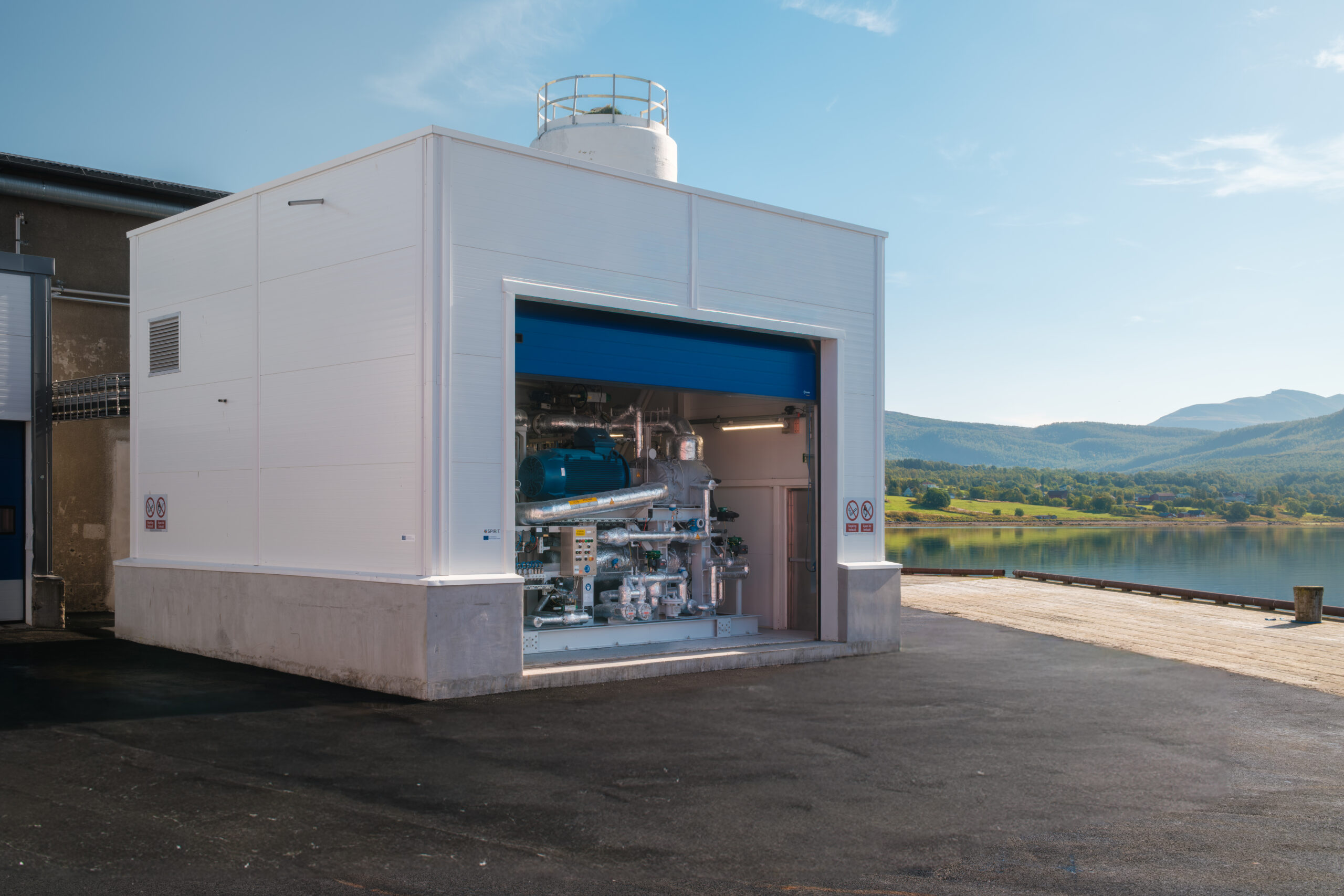
SPIRIT Demonstration 1 is a full-scale industrial high-temperature heat pump installation at the Stella Polaris shrimp processing facility in Finnsnes, Norway. The plant requires refrigeration for freezing and steam for cooking. Previously, waste heat from the ammonia refrigeration system was rejected to seawater, while steam was produced by a propane boiler. The project connects these two energy demands through a Mayekawa cascade heat pump that upgrades waste heat from approximately 18-21°C to saturated steam at 145°C and around 4 bar(a). With a capacity of approximately 700 kWth, the system is designed to cover the full steam demand of the shrimp cooking process under normal operating conditions. To achieve a temperature lift exceeding 130 K, the system combines an ammonia bottom cycle with a pentane top cycle. This innovative configuration enables direct high-temperature steam generation while using industrial waste heat as the primary energy source. The installation demonstrates industrial electrification, waste heat recovery, and high-temperature heat pump technology in a real production environment. The system has been commissioned successfully, produces steam on site, and is now operated by Stella Polaris with remote support from Mayekawa, demonstrating a successful transition from demonstration project to industrial adoption.
Large Heat Pump Award nominee
11.
Poland
The goal was to reduce operating costs of multi-family residential buildings managed by the Odrodzenie Housing Cooperative. The investor commissioned an energy audit, technical design and cost simulations. The modernization replaced district heating, increased energyindependence and included heat pumps, photovoltaic systems, energy storage and a gas boiler. The contractor supervises the installation through a self-developed EMS system for management, monitoring, remote service and early warning.
Large Heat Pump Award nominee
12.
Germany
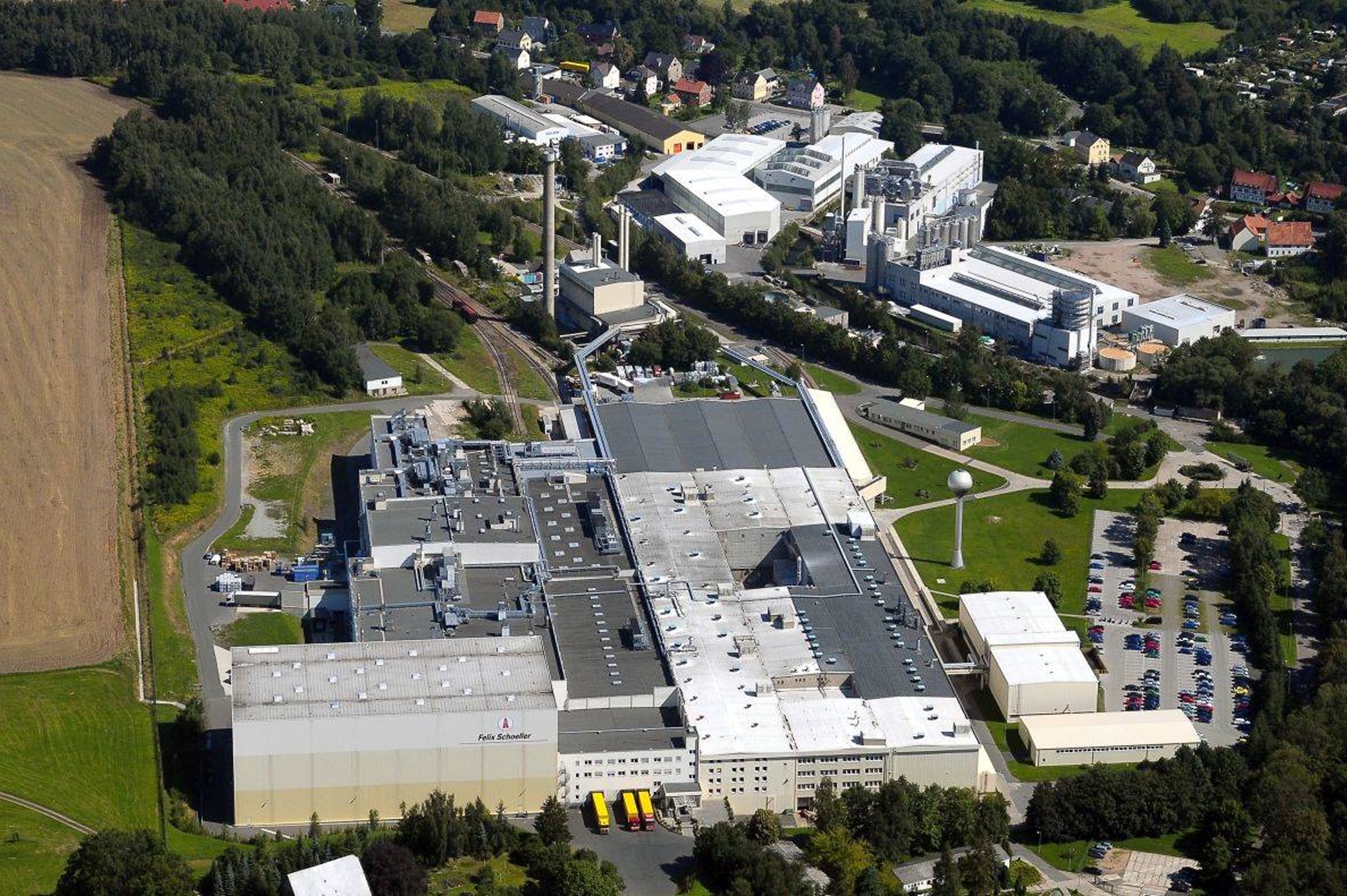
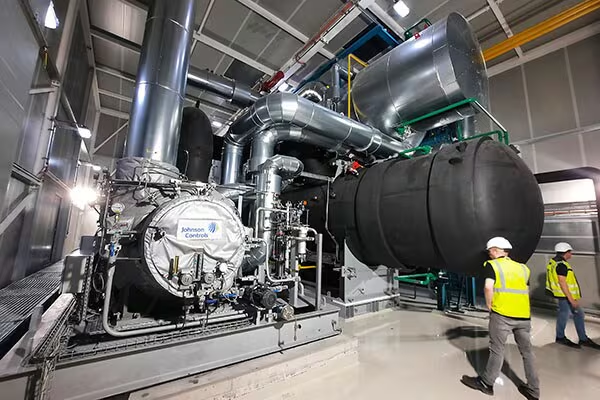
The implementation of a 1,2MW High-Temperature Heat Pump in a paper mill from Felix Schoeller upgrades unused waste heat from the drying process and supplies the drying process with low-pressure steam at a temperature level of 123°C (2,3bara). In order to overcome the temperature lift of over 80K a cascaded heat pump solution with two parallel compressors in each refrigerant circuit has been designed, manufactured and successfully implemented as a container solution on the premises of Felix Schoeller. In comparison to other HTHP installations in the industry the double stage HP in Weißenborn is using a volatile heat source with temperature variations from 30°C to 70°C. Along the direct integration of the generated steam into the low-pressure drying section of the facility the volatility of the heat source highlights another challenge for a successful integration and operation of a thermal energy system with major decarbonisation potentials with respect to flexible operation in part- and full-load.
Large Heat Pump Award nominee
13.
Mexico
Two ammonia/ammonia cascade heat pumps are supplied to generate condensation for the plant's refrigeration system. On the high-temperature side, hot water at 85°C will be generated to avoid the consumption of superheated water in the packaging process for product fermentation. The expected benefits include reduced steam consumption, reduced fossil fuel combustion, reduced energy consumption in evaporative condensers, and reduced water consumption in condensers, and a reduced carbon footprint.

Steps to vote

1

Browse through the projects across the three categories.

2

Identify the project you are convinced is making the greatest impact.

3

Vote for your favourite project using the link below.