


1 December 2026
Brussels, Belgium
#HPForum 2026
Award Ceremony
1 December 2026
SQUARE Brussels

Innovative Combined HVAC & DHW All-Electric Solution for Net Zero Ready Affordable Housing

Competing in the category:

Innovation Award
ecoforest.es
Location: Canada
Year of submission: 2026
Organisation: Equipment: EcoForest (heat pumps), Swegon (ventilation units), Geosmart Energy (heat pump supplier), Alnor (ducts and coils), COLD (coils); Funding: Canada Mortgage and Housing Corporation (CMHC), Smart Sustainable Resilient Infrastructure Association (SSRIA) Project/building owners: Windsor Essex Community Housing Corporation, , Skeetchestn Natural Resources Corp., private building owners: Graeme Verhulst, Heather Armson, Andrew Peel, Mike Darmitz; Technical collaborators: Passive House Institute (PHI)
Sector of application: Residential
Funding from: Public

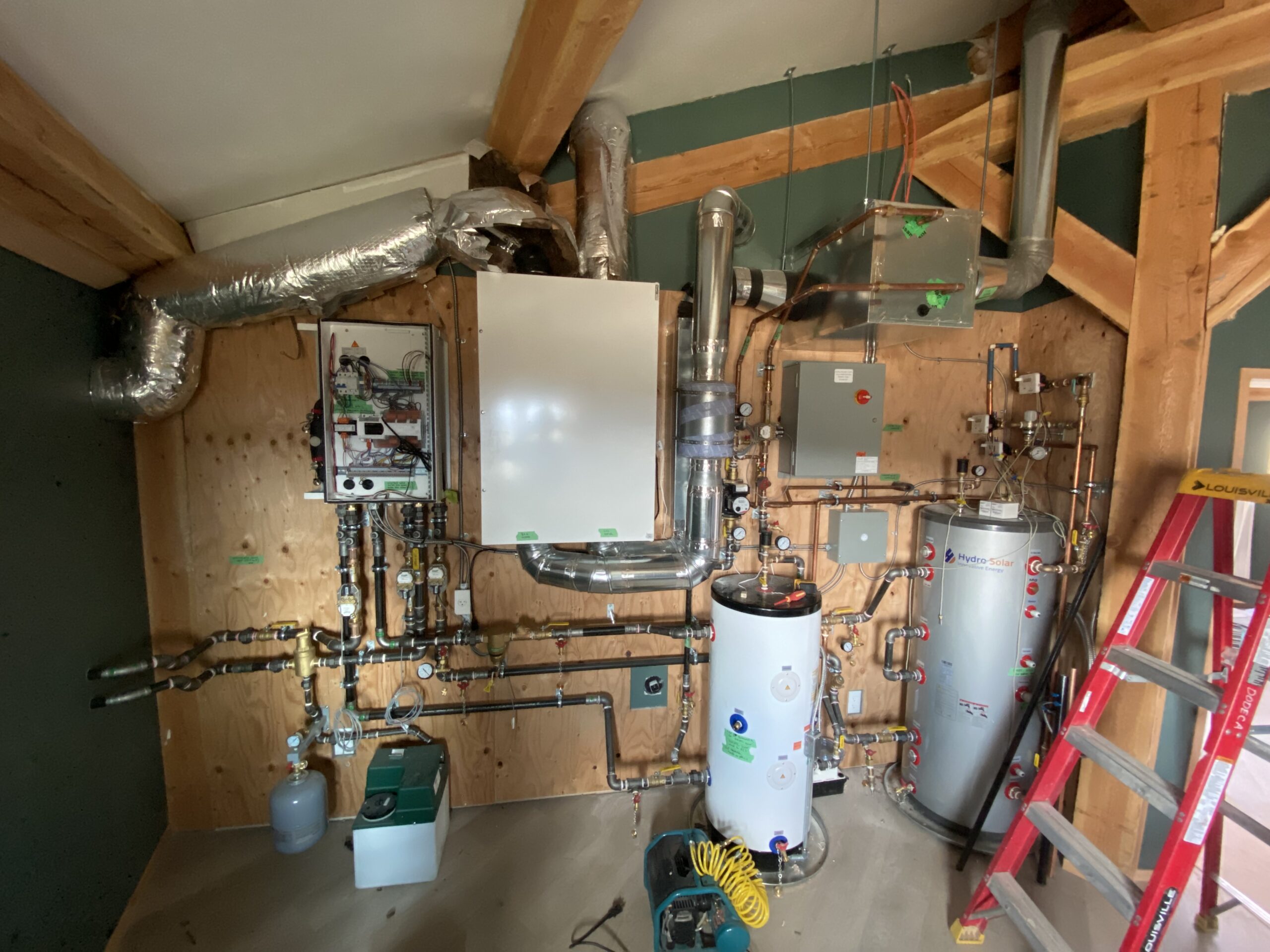
What is surprising about Cold Air Distribution is not simply that a heat pump heats and cools a Passive House—it is how much of the conventional HVAC system the right heat pump can make unnecessary. The Ecoforest R290 air-to-water heat pump can produce approximately 2°C chilled water for cold-air cooling, provide space heating, and generate domestic hot water above 65°C. This unusually broad operating range allows ventilation air already required for healthy indoor conditions to become the building’s heating and cooling distribution system. Instead of adding equipment, CAD asks how much can be removed. But the project is also designed to answer a bigger question: how much HVAC capacity do ultra-low-energy buildings actually need? Five Canadian pilot buildings are becoming living laboratories. For two years, heat meters, electrical circuit monitors, indoor and duct sensors, airflow operating data and on-site weather stations will measure what is happening inside the buildings, how the systems respond, and the real outdoor conditions driving those loads. This creates something still lacking in Canada: detailed real-world data connecting weather, occupancy-related internal loads, HVAC operation and actual heating and cooling loads in Passive House buildings. This project therefore combines heat-pump innovation with evidence—not just demonstrating a new system, but generating the knowledge needed to design simpler, smaller and more affordable heat-pump-based mechanical systems at scale.

Peel Passive House’s Cold Air Distribution (CAD) project aims to simplify and right-size mechanical systems in ultra-low-energy housing, making Passive House and Net Zero Ready construction more affordable and scalable.
Video of the project presentation: https://vimeo.com/1217727625.
Passive House buildings have exceptionally low heating and cooling loads, yet conventional HVAC design practices can result in oversized equipment, redundant systems and unnecessary cost. CAD addresses this mismatch by using ventilation air already required for indoor air quality to also deliver space heating and cooling, eliminating separate terminal equipment within each dwelling.
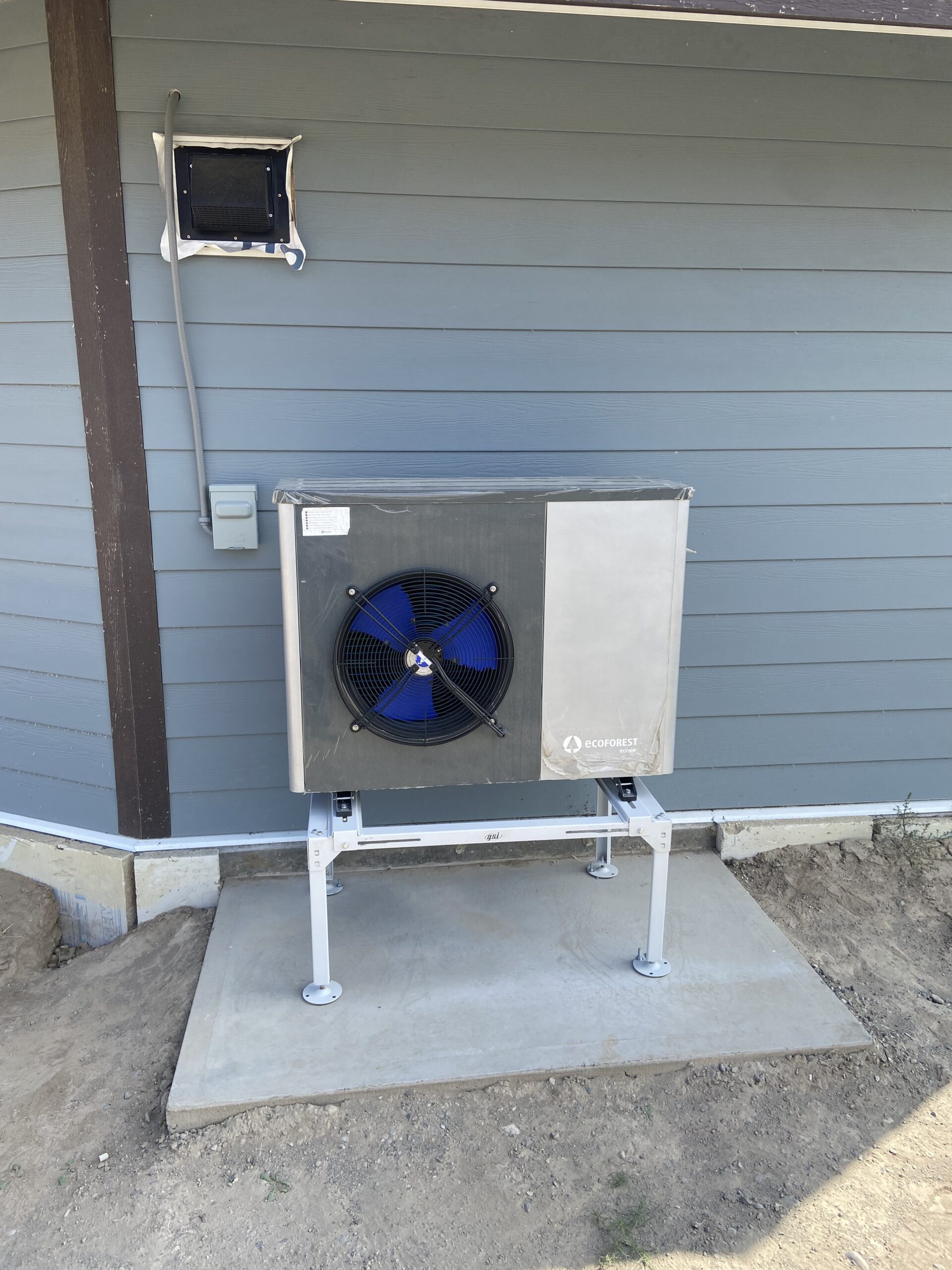
The enabling technology is an Ecoforest R290 air-to-water heat pump with an unusually broad production temperature range. It can generate approximately 2°C chilled water, allowing ventilation air to meet cooling loads without substantially increasing airflow, while also providing space heating and domestic hot water above 65°C.
Five Canadian pilot projects are implementing CAD alongside a two-year technical monitoring program. Thermal energy, electrical loads, indoor and duct conditions, airflow states, and on-site weather conditions are being monitored to establish real-world performance and load data for Canadian ultra-low-energy buildings. This evidence will help validate design assumptions, optimize future systems, and demonstrate a scalable, low-GWP, heat-pump-enabled approach to high-performance housing.
Steps to vote

1

Browse through the projects across the three categories.

2

Identify the project you are convinced is making the greatest impact.

3

Vote for your favourite project using the link below.