
1 December 2026
Brussels, Belgium
#HPForum 2026
Award Ceremony
1 December 2026
SQUARE Brussels

Renewable-Assisted DHW System (RA-DHW)

Competing in the category:

Building Solutions Award
Location: Poland
Year of submission: 2026
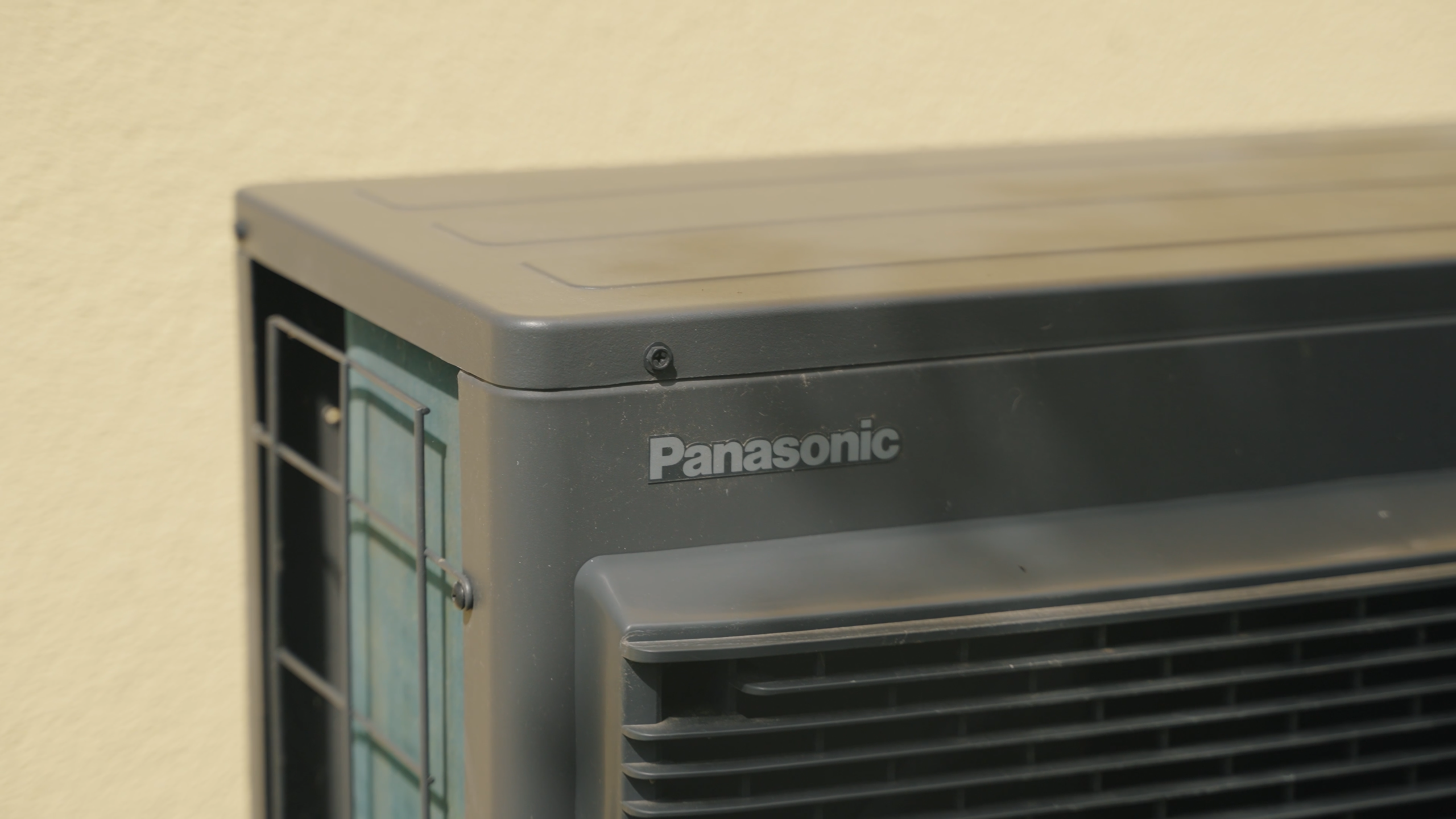
Organisation: Energy On Sp. z o.o. - system design, installation, and commissioning. STBS (Słupskie Towarzystwo Budownictwa Społecznego) - investor, building operator, and end user. Panasonic - manufacturer of the heat pump unit (Aquarea T-CAP Gen. K).
Sector of application: Residential
Funding from: Private, EU funds

Our project deserves to win because it shows that the energy transition of the challenging district-heated multi-family housing sector does not have to be slow, invasive, or costly. Surprising symbiosis: Rather than treating the heat pump as competition for the district heating network, we built a system in which both technologies work together - the heat pump takes over the cost-effective base load, while the network remains the guarantor of peak demand and comfort. Innovation in orchestration, not in the device: The project's true value lies not in a single heat pump, but in the proprietary EMS, which reconciles PV production, energy storage status, outdoor temperature, forecasted COP, and electricity and heat prices in real time - with the EMS architecture also enabling operation under variable-price (dynamic) tariffs - always selecting the cheapest and most efficient source. Convincing market validation: This is not a concept on paper - following the successful pilot, the investor ordered an identical system for two further buildings, and the solution is already operating in several dozen buildings across northern Poland. Hard numbers and scalability: -41% in the total cost of DHW (from PLN 36.35 to PLN 21.48/m³) and 15.01 fewer tonnes of CO2 per year in a single building - with a technical replication potential reaching approximately 250,000 multi-family buildings in Poland, representing nearly 5 GW of heating capacity and an estimated 2.9 million tonnes of CO2 avoided annually nationwide (based on national average emission factors for district heat and grid electricity).

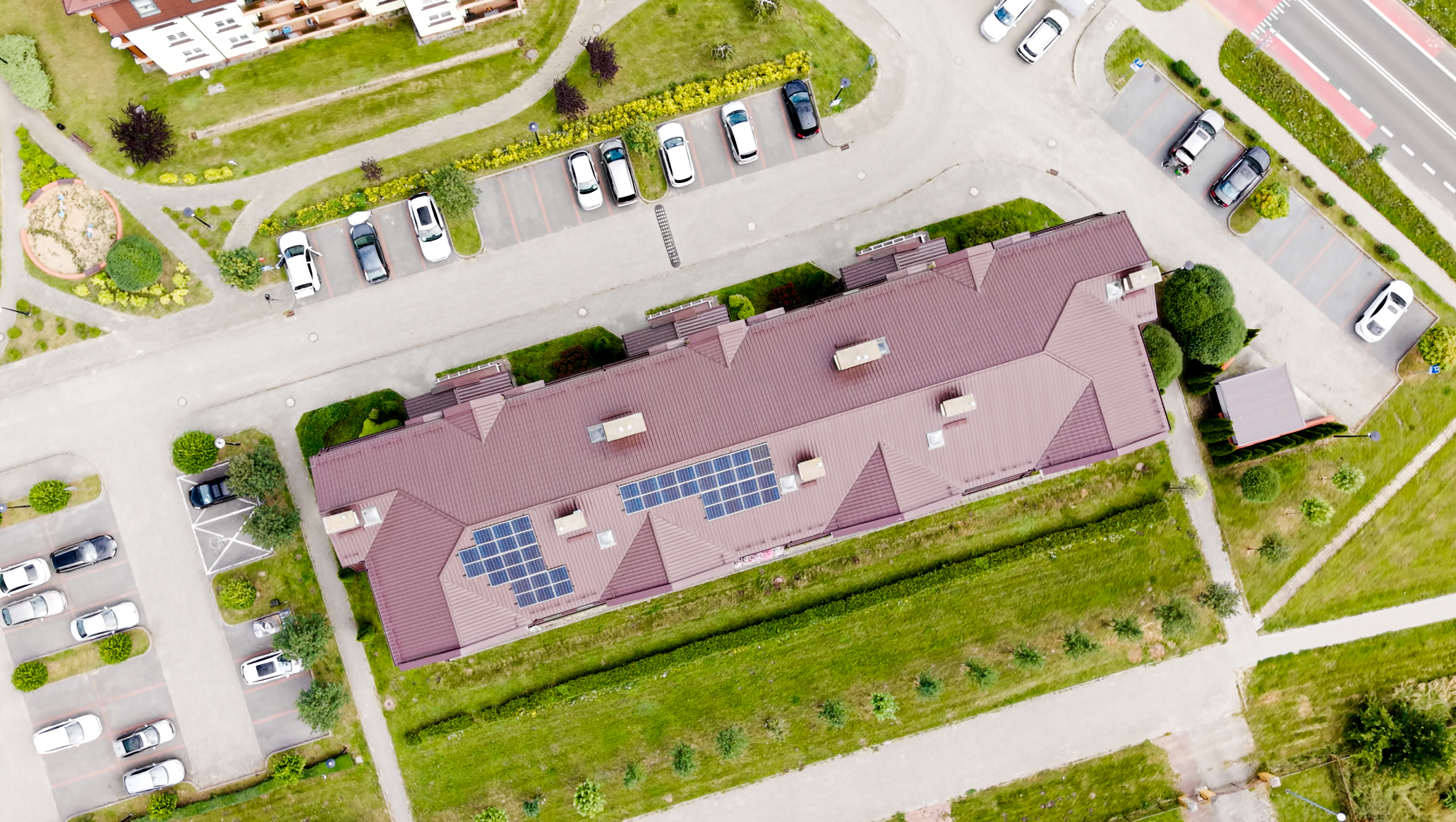
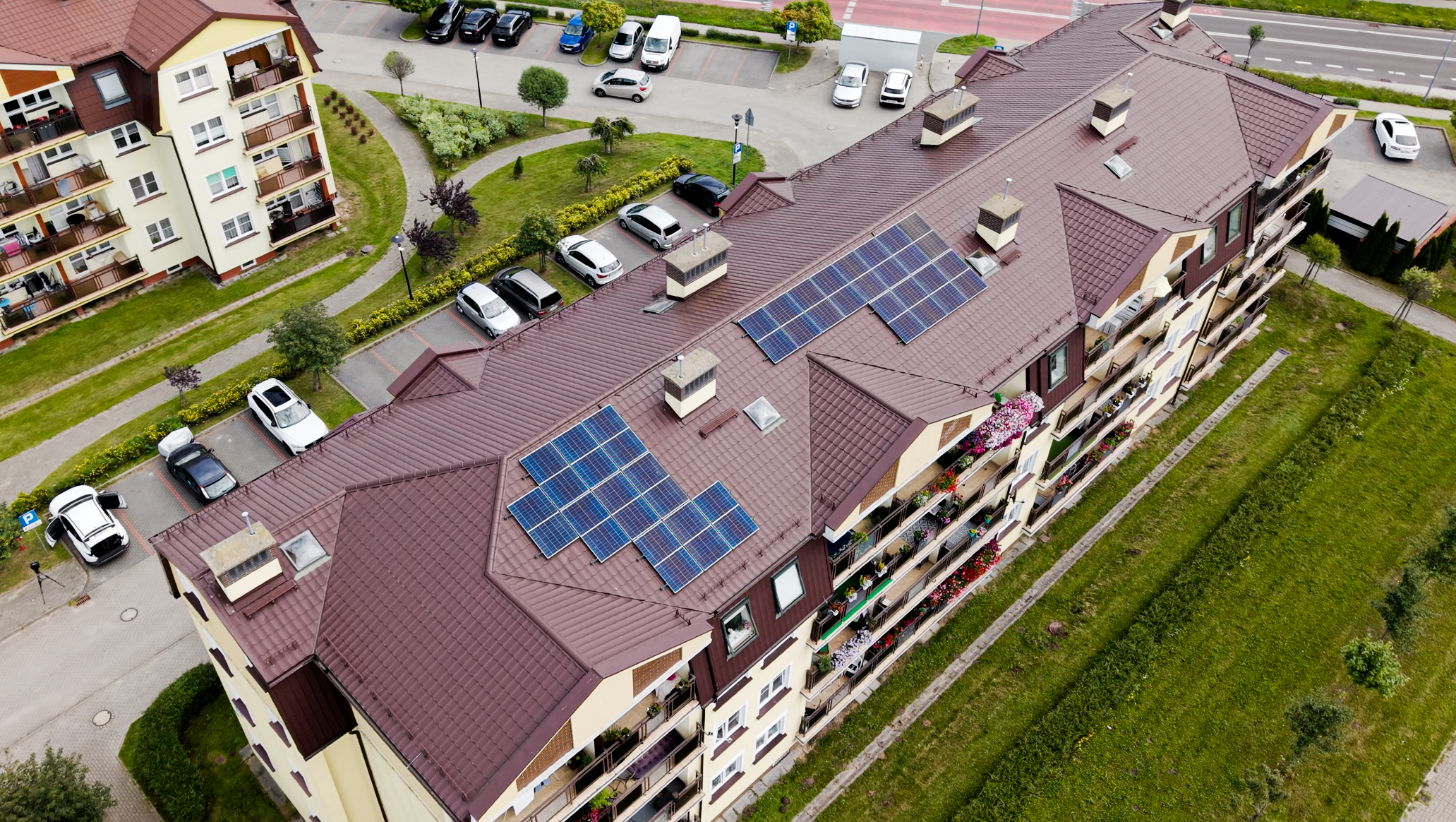
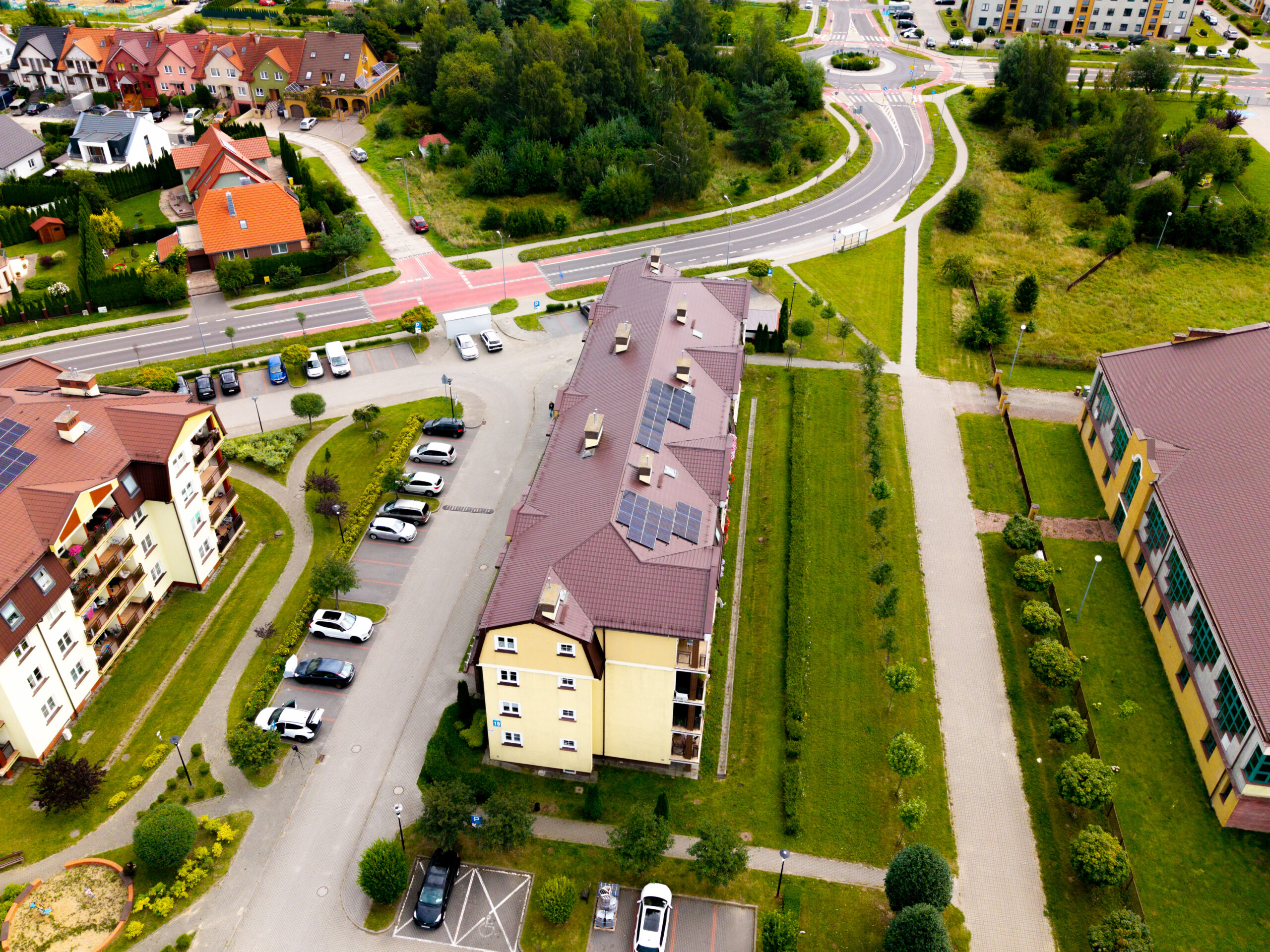
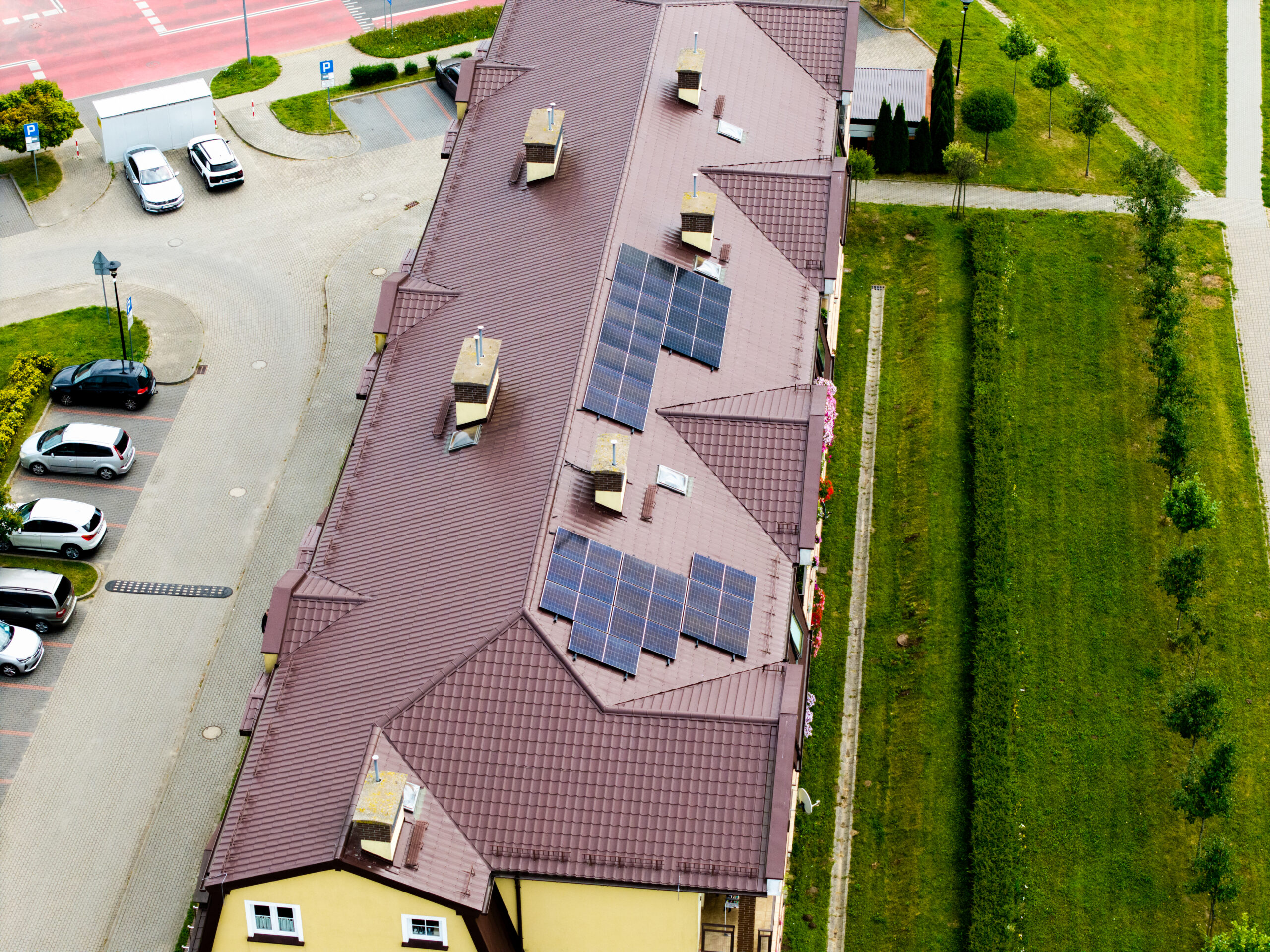
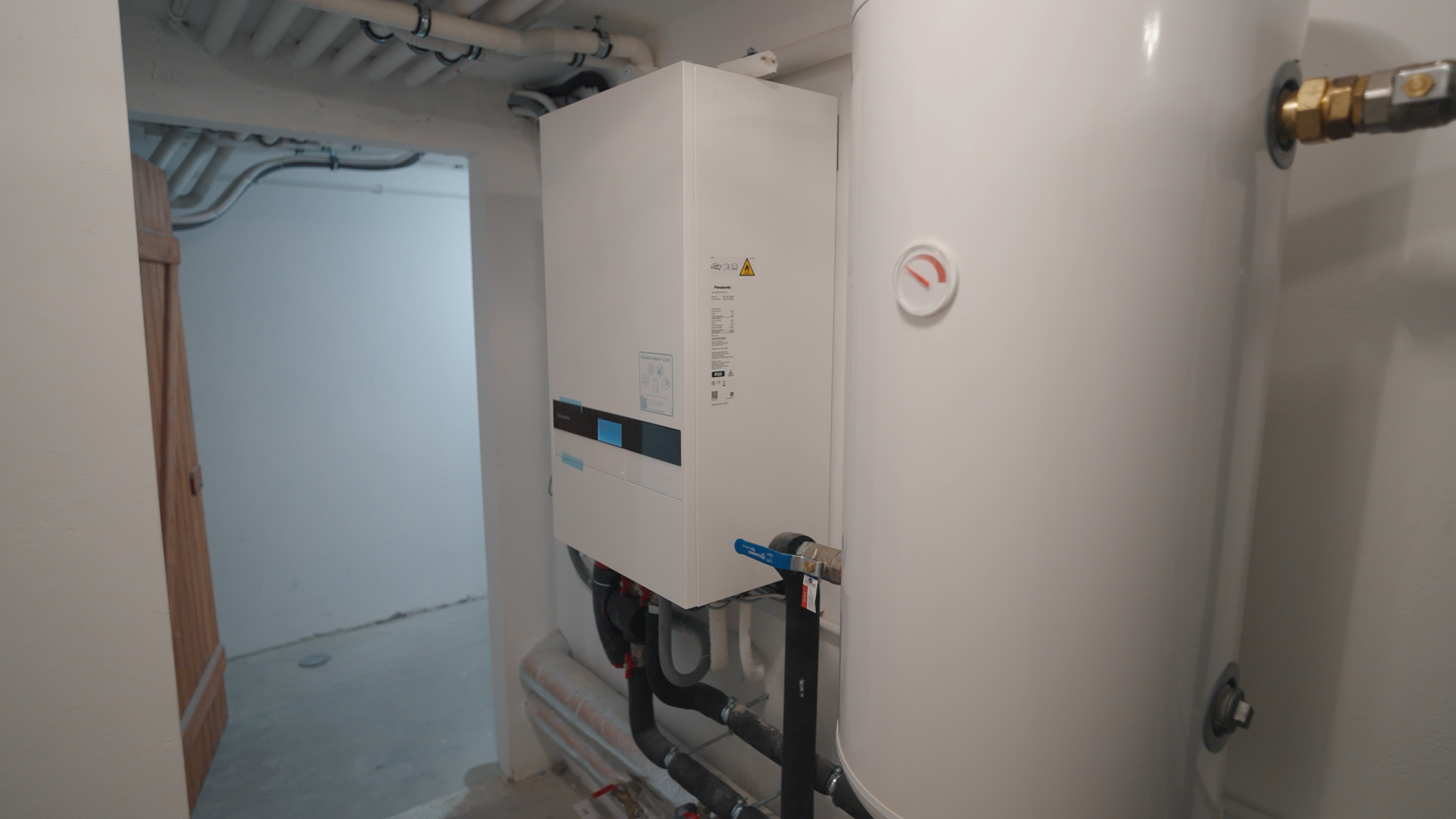
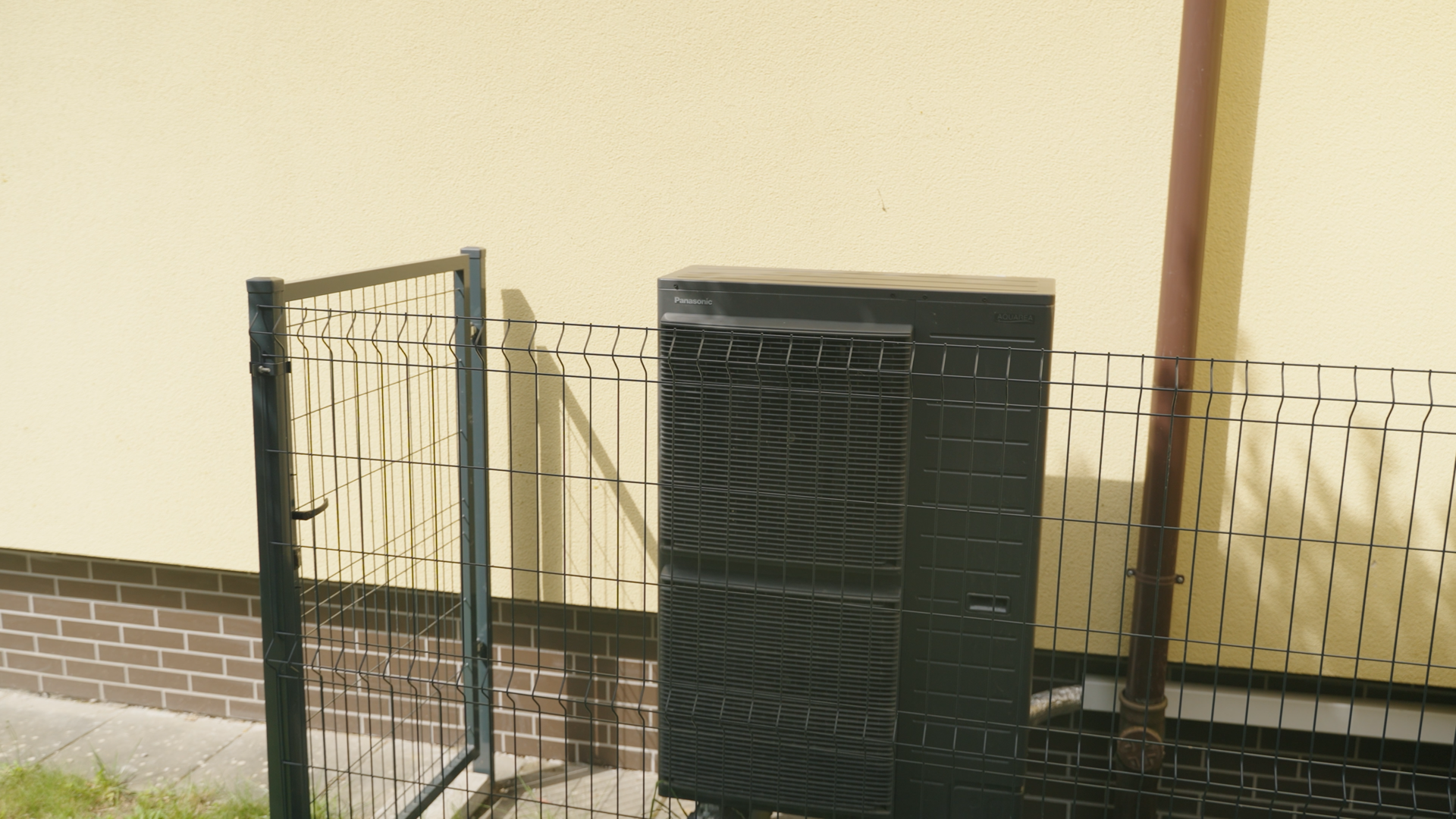
The STBS Szafranka 18 project introduces the Renewable-Assisted DHW System (RA-DHW), a cost-optimisation solution for domestic hot water (DHW) preparation in an existing multi-family building connected to the municipal district heating network.
Problem: Decarbonising older multi-family buildings is difficult – network heat costs and EU ETS emission charges are steadily rising, while fully disconnecting a building from the network would require costly, invasive retrofitting of both the internal installation and the wider infrastructure.
Goal: To reduce the cost and carbon footprint of DHW preparation without invasive building works and without compromising residents’ comfort.
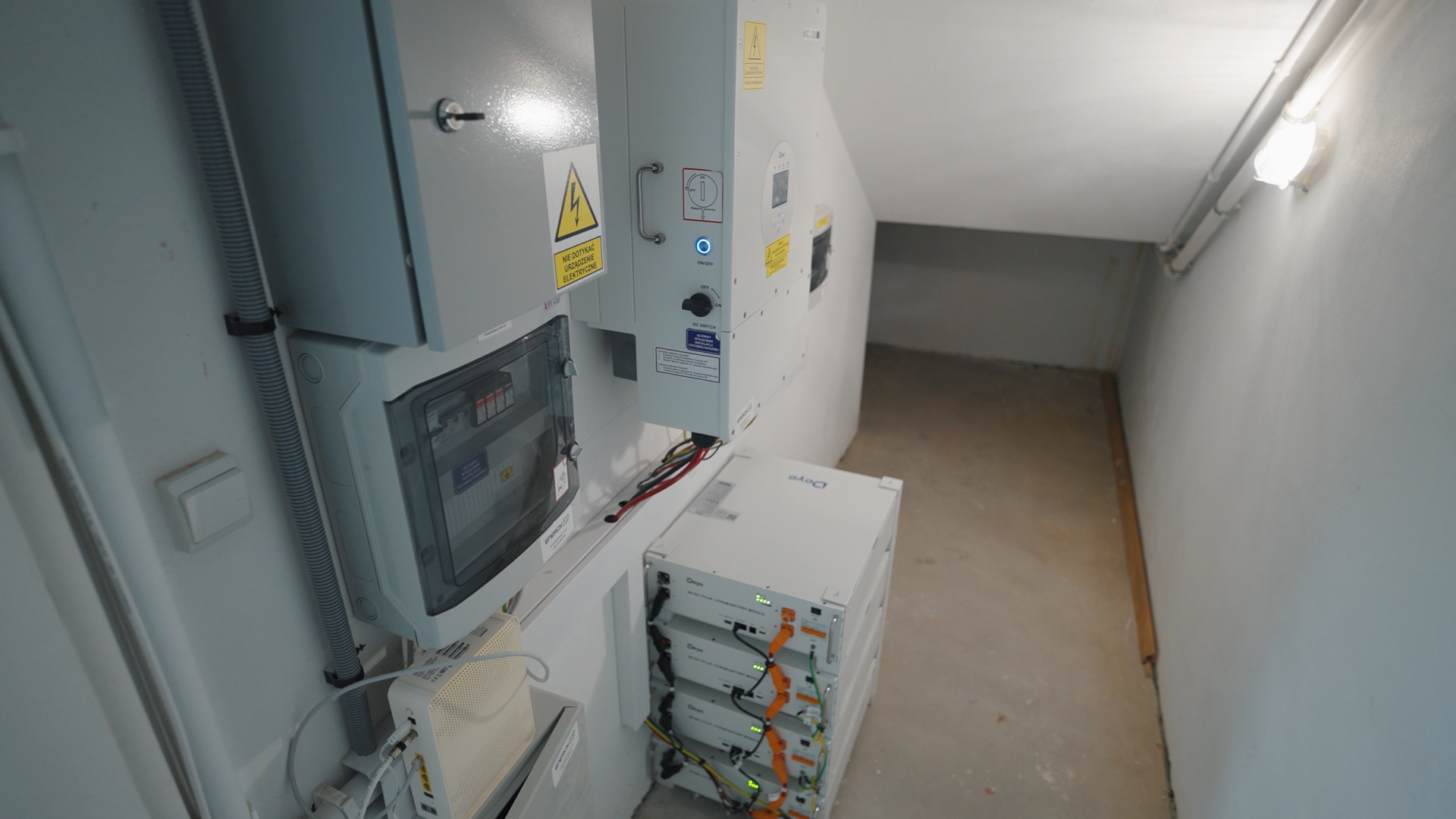
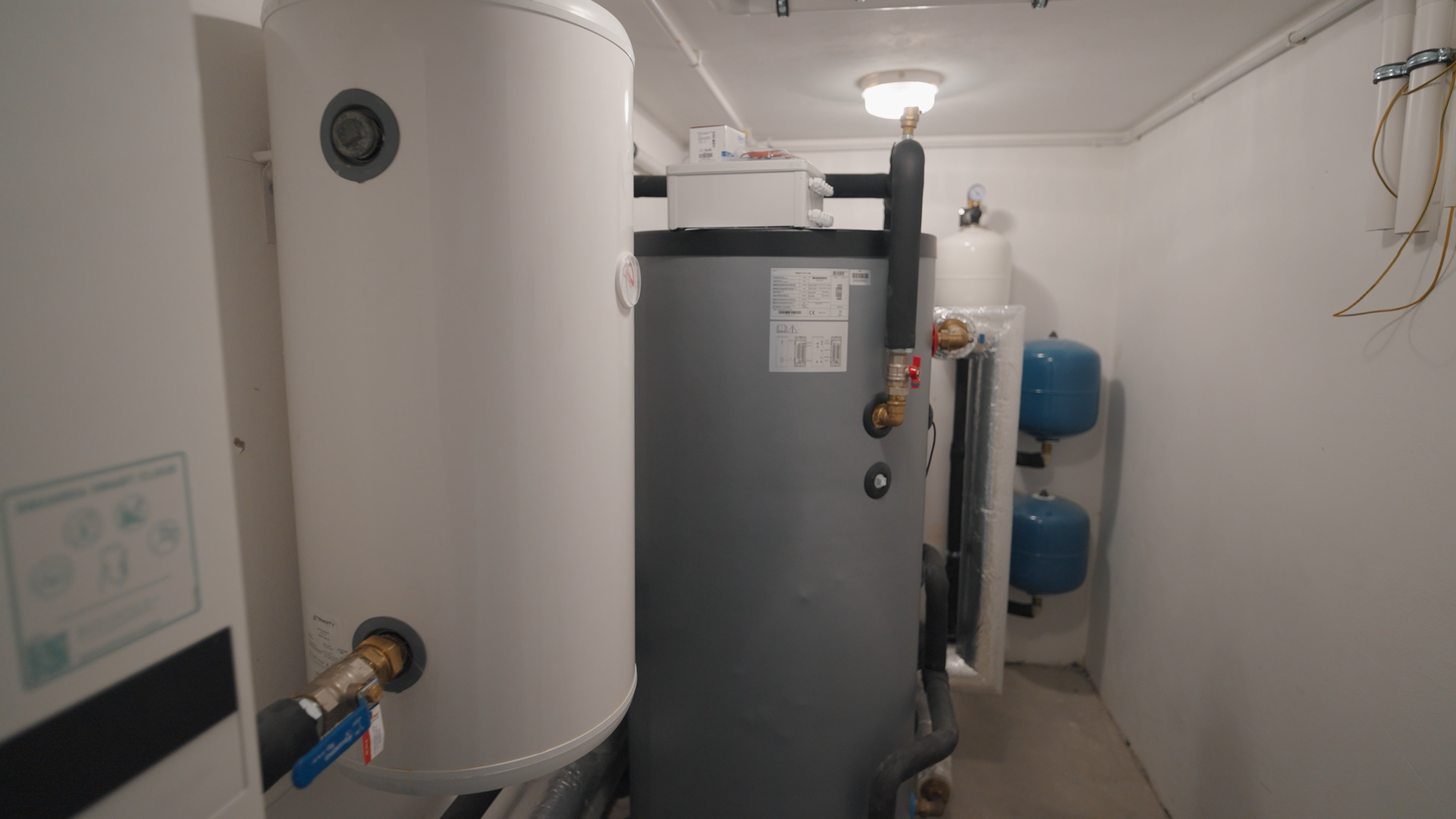
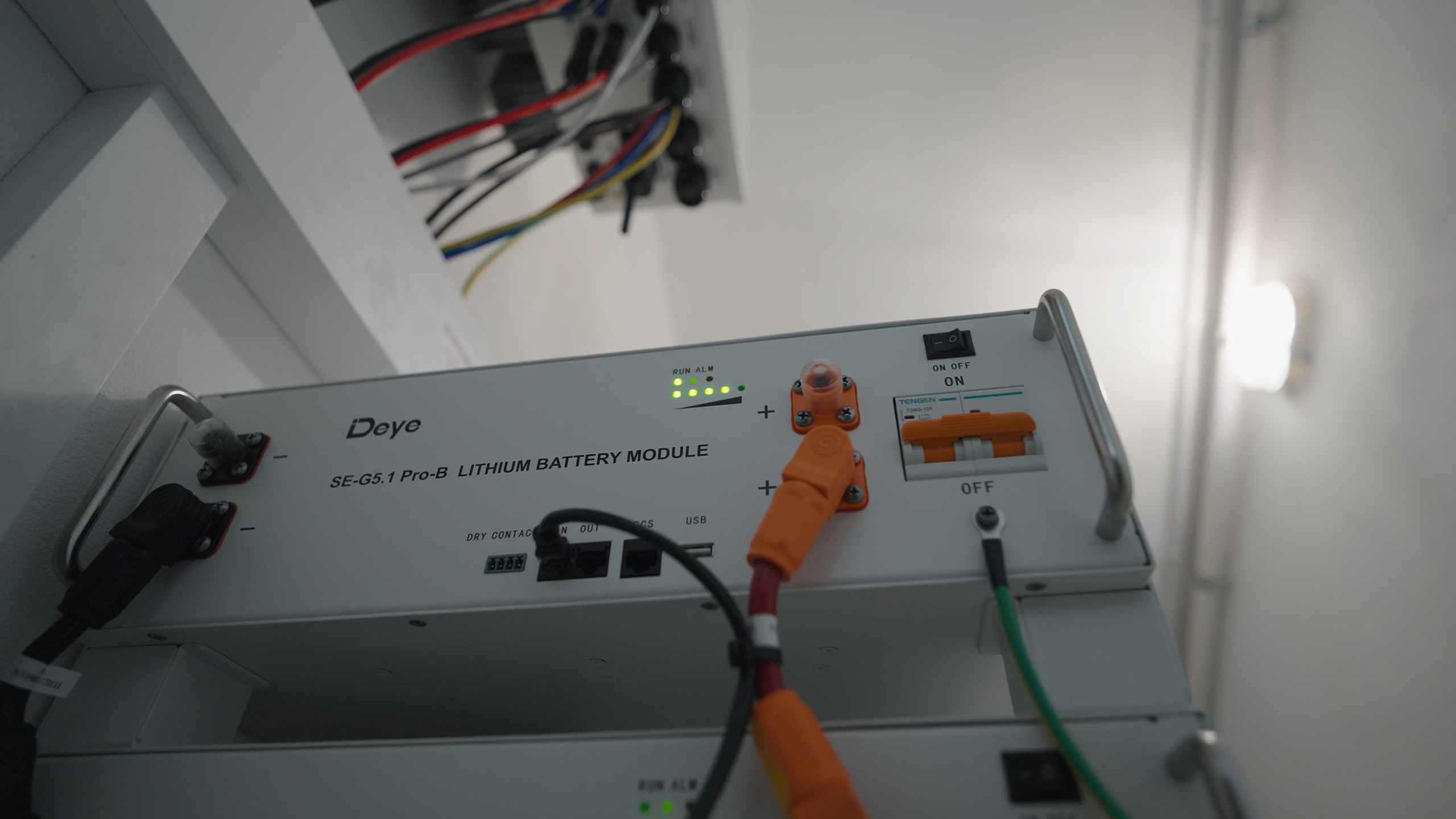
Solution: RA-DHW connects an air-source heat pump (12 kW) in series upstream of the district heating substation’s heat exchanger, acting as the first, high-efficiency heating stage, with the municipal network remaining as the peak-load source. The system’s core is a proprietary Energy Management System (EMS), which orchestrates the heat pump, PV installation (10.67 kWp), energy storage (10.24 kWh), and water tanks (1000 l) in real time, deciding when heating water from renewable sources is cheaper than network heat. Result: the cost per 1 m³ of DHW fell from PLN 36.35 to PLN 21.48 (-41%), and CO2 emissions were reduced – without any change in how residents use hot water.
Steps to vote

1

Browse through the projects across the three categories.

2

Identify the project you are convinced is making the greatest impact.

3

Vote for your favourite project using the link below.