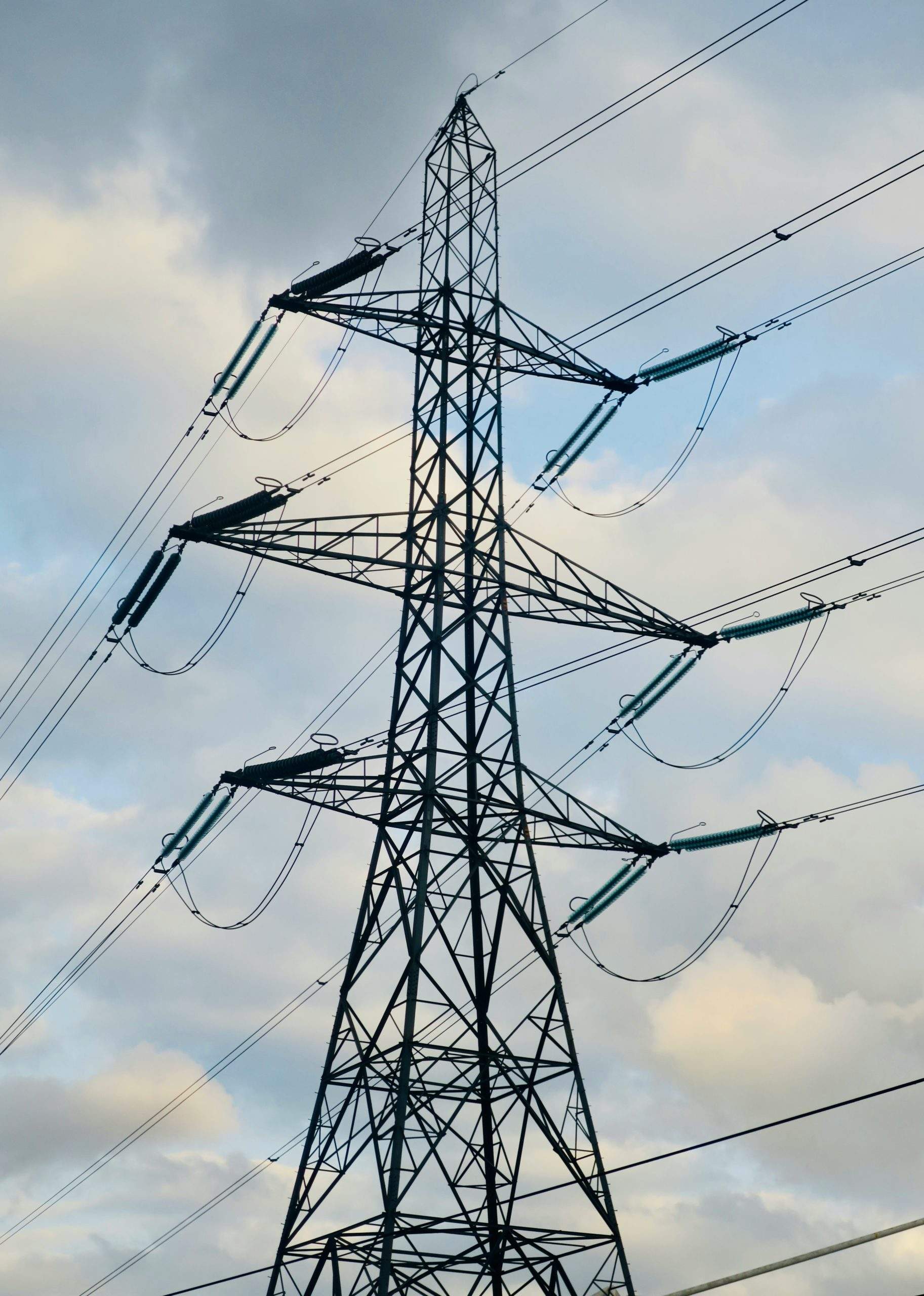
Heat pumps can be turned on when electricity demand is lower, and off at peak times. This balances out electricity demand and reduces costs for the EU’s energy system and for consumers.
To ensure this happens, consumers need to have some sort of incentive, such as electricity tariffs that change according to overall demand.
Grid operators need to be aware of the flexibility potential offered by heat pumps and take this into account in their grid planning.
It is also important that heat pumps can be switched off and on to enable grid stability and help the power system run smoothly.
What's the EU doing?
NETWORK CODE ON DEMAND CONNECTION
The EU’s Network Code on Demand Connection harmonises the rules over how to connect large renewable energy plants to the grid and integrate demand response into the electricity grid.
GRID CONNECTION CODE
The EU’s Grid Connection Code sets the rules for connecting users, like power generators and consumers, to the electricity grid.
These rules are meant to ensure a reliable and secure grid, boost renewable energy, and support fair competition in the electricity market.