

1 December 2026
Brussels, Belgium
#HPForum 2026
Award Ceremony
1 December 2026
SQUARE Brussels

Competing in the category:

Large Heat Pump Award
jci
Location: Netherlands
Year of submission: 2026
Organisation: Eneco, Customer and Contractor Johnson Controls NL
Sector of application: Industrial
Funding from: Public

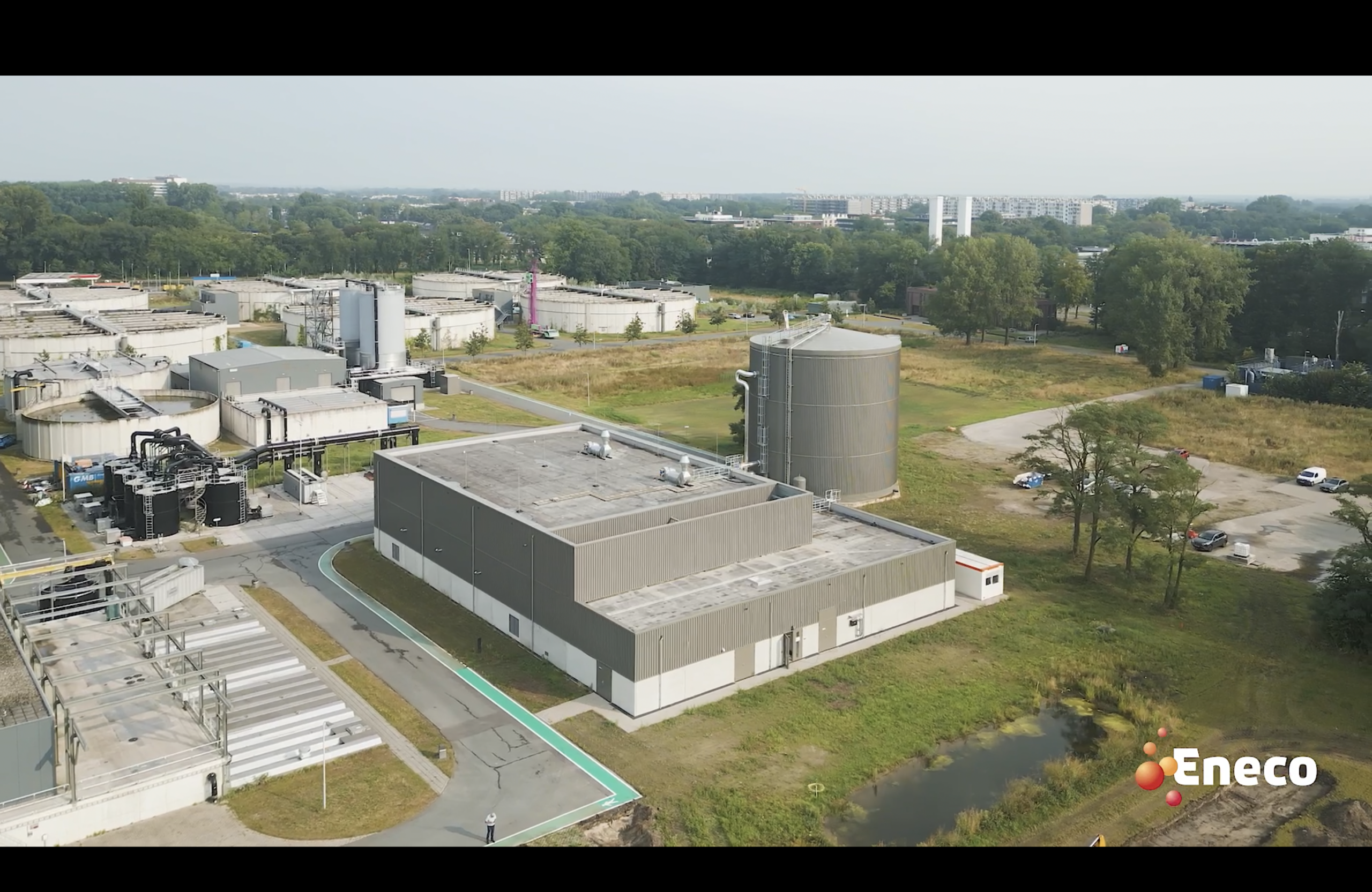
Nomination: Eneco Utrecht Wastewater Heat Pump Eneco and the water authority hve built the largest heat pump in the Netherlands at the Utrecht sewage plant in Overvecht. Every day, about 65 million litres of wastewater are treated at the plant, and the treated water stays at 12 °C or more even in winter. A heat exchanger draws heat from it, and the heat pump lifts the temperature to 75 °C or more for the district heating grid. The plant delivers about 27 MW, supplies roughly 20,000 households in Utrecht and Nieuwegein, and covers about 15% of the network's heat demand. It saves around 30,000 tonnes of CO₂ per year. Located in the middle of a residential area, close to an existing heat transfer station, the plant loses little heat on the way. It makes the oldest district heating network in the Netherlands, more than 100 years old, more sustainable. The cooperation between a utility and a water authority sharing one site is a model for other cities.

Utrecht Wastewater Heat Pump (Eneco and De Stichtse Rijnlanden)
Goal: Eneco aims to make all the energy it supplies climate-neutral by 2035, and the Netherlands plans to phase out natural gas in buildings by 2050. The project makes the district heating of Utrecht and Nieuwegein more sustainable.
Problem: The network, the oldest in the Netherlands, still relies partly on gas-fired heat. At the same time, the Utrecht sewage plant in Overvecht treats about 65 million litres of wastewater per day. The treated water stays at about 12 °C in winter and 24 °C in summer, and its heat was simply discharged into the river Vecht.
Solution: Eneco built the largest heat pump in the Netherlands on the plant’s grounds, in cooperation with the water authority. A heat exchanger draws heat from the treated water, taking about 2,000 cubic metres per hour. The heat pump then raises the temperature to 75 °C or more and feeds it into the district heating grid. A large buffer vessel helps cover demand peaks. The system was officially opened on 6 September 2024.
Impact: It delivers about 27 MW of heat, supplies roughly 20,000 households and covers about 15% of the network’s heat demand. It saves around 30,000 tonnes of CO₂ per year.
The figures are the operators’ own statements.
Steps to vote

1

Browse through the projects across the three categories.

2

Identify the project you are convinced is making the greatest impact.

3

Vote for your favourite project using the link below.