

1 December 2026
Brussels, Belgium
#HPForum 2026
Award Ceremony
1 December 2026
SQUARE Brussels

Competing in the category:

Large Heat Pump Award
logo-2
Location: Sweden
Year of submission: 2026
Organisation: Gyptech AB (project coordinator), with RISE Research Institutes of Sweden AB, KTH Royal Institute of Technology and Knauf Sverige GmbH
Sector of application: Industrial
Funding from: Private, public

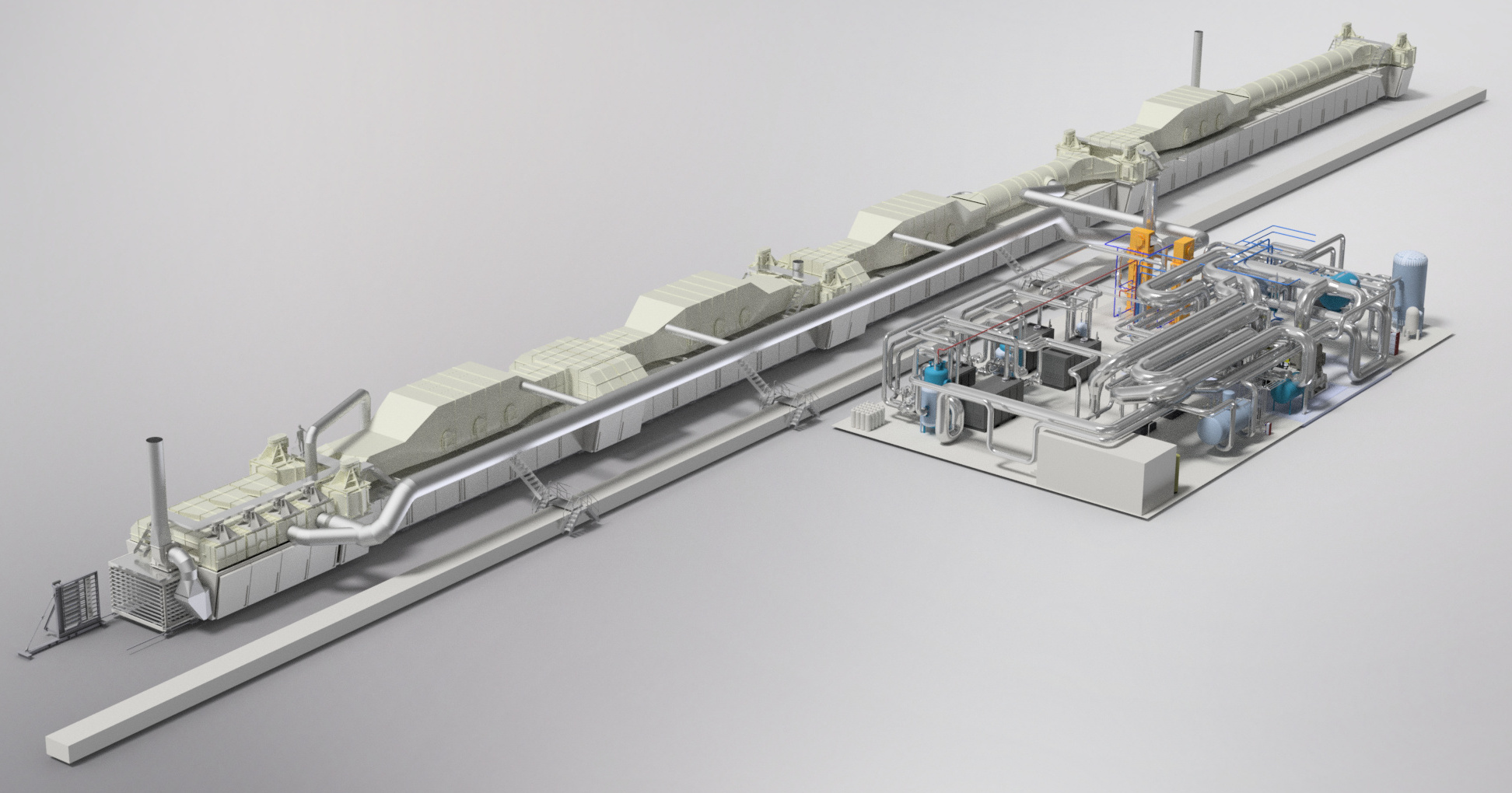
Everyone assumes industrial drying is too hot and too dirty for heat pumps. The evidence says the sector agrees: IEA HPT Annex 59, led by RISE, surveyed 230 Swedish industries and found exactly one respondent in 71 using a heat pump for anything beyond heating sanitary water. An entire process class, consuming 13 to 35 TWh a year in Sweden alone, has been written off. MVR4G-DRY proves the assumption wrong, and it does so using the fuel that was there all along. Every gypsum board dryer already generates the working fluid its own heat pump needs, as vapour evaporated from the boards and vented up the stack. Seven steam compressors in series refuse to let it leave, recompressing it to 210°C at a lift of 160°C. Industrial MVR systems typically reach 140 to 180°C with lifts of 40 to 100°C, so this sits well outside what the technology is currently assumed capable of, with water and n-pentane as the only working fluids and no PFAS anywhere in the system. The surprising part is the scale of what one machine does. Replacing a single gas burner on a single production line removes 16,000 tonnes of CO2 per year and delivers 0.45% of Sweden's entire 2030 emission reduction target. Specific energy consumption halves, from 0.778 to below 0.389 kWh per kg of water evaporated. At the 2024 carbon tax rate, that one line is worth MSEK 23 a year in avoided tax alone. It is also a genuine commitment rather than a subsidised experiment. Of the MSEK 204 total, industry is funding MSEK 145. Knauf is putting a 10.5 MWth prototype into a working plant where board quality depends on the drying curve holding steady and where the line cannot simply be stopped. That is what makes the result credible to the next plant owner, in gypsum, dairy, wastewater or timber.

Gypsum board drying is among the most energy-intensive industrial processes, consuming 13 to 35 TWh per year in Sweden. A standard 3 m² board takes 24 kWh to produce, two thirds of it for drying, heat conventionally supplied by a gas-fired burner. The evaporated water then leaves the plant as humid exhaust.

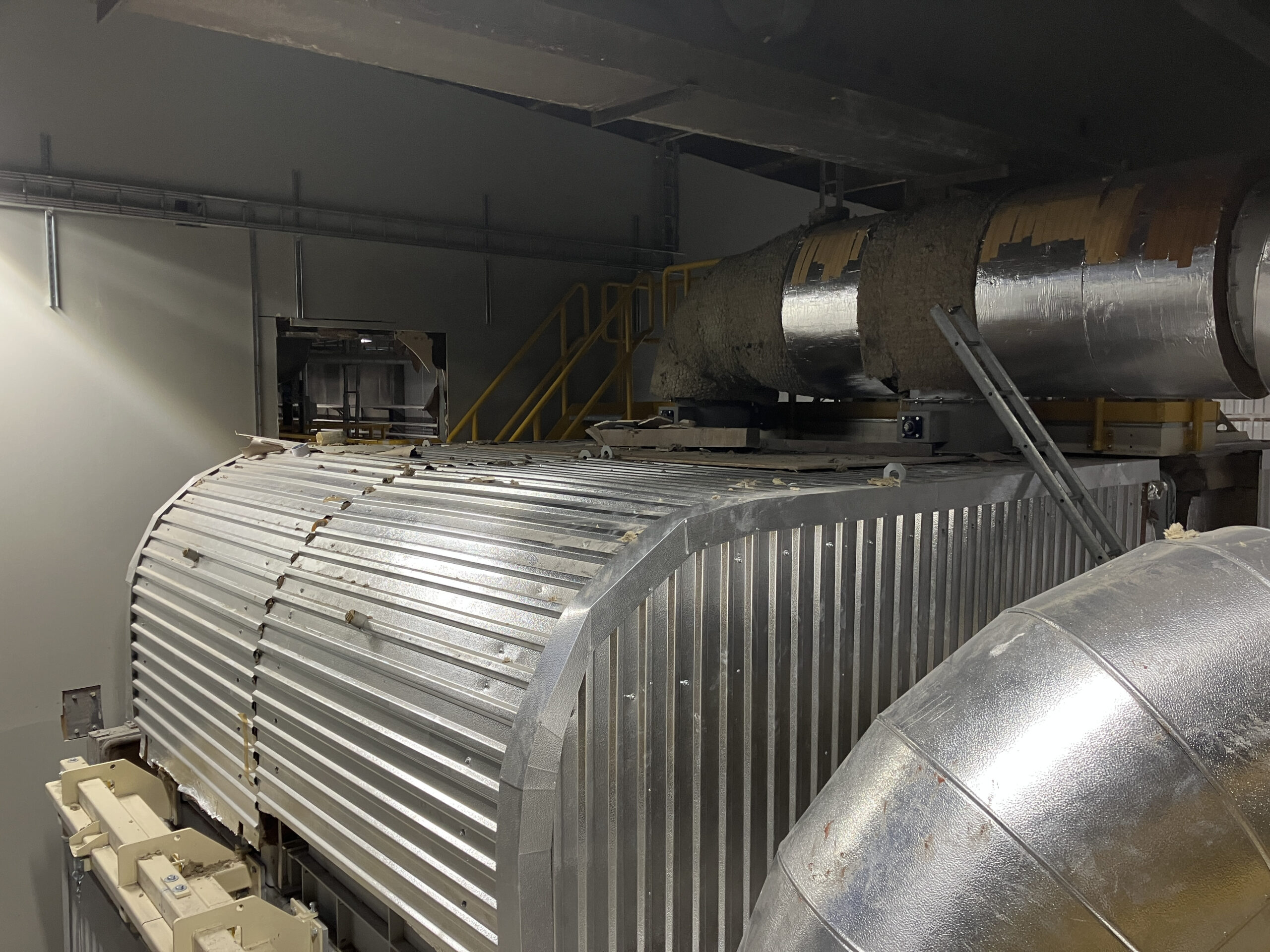
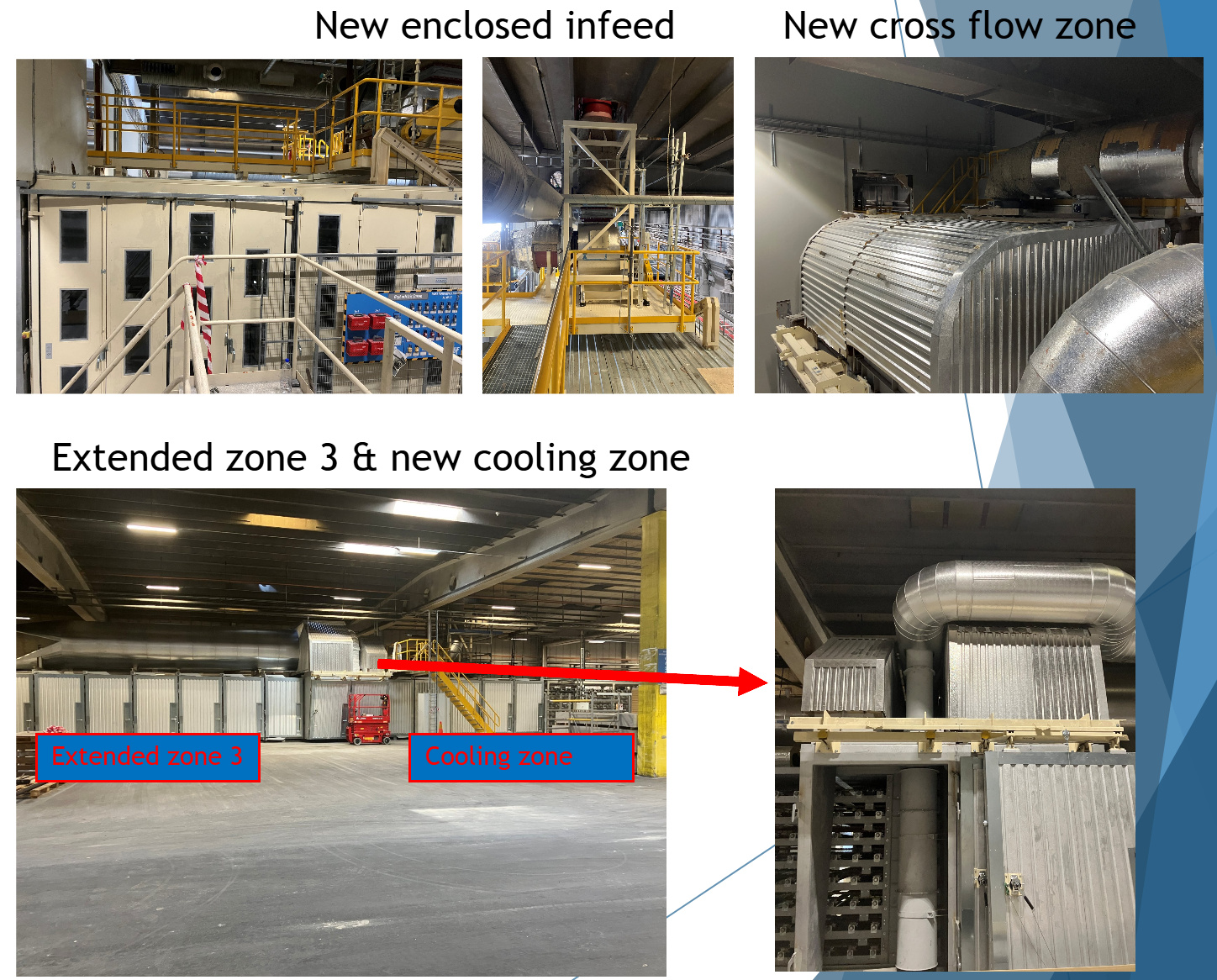
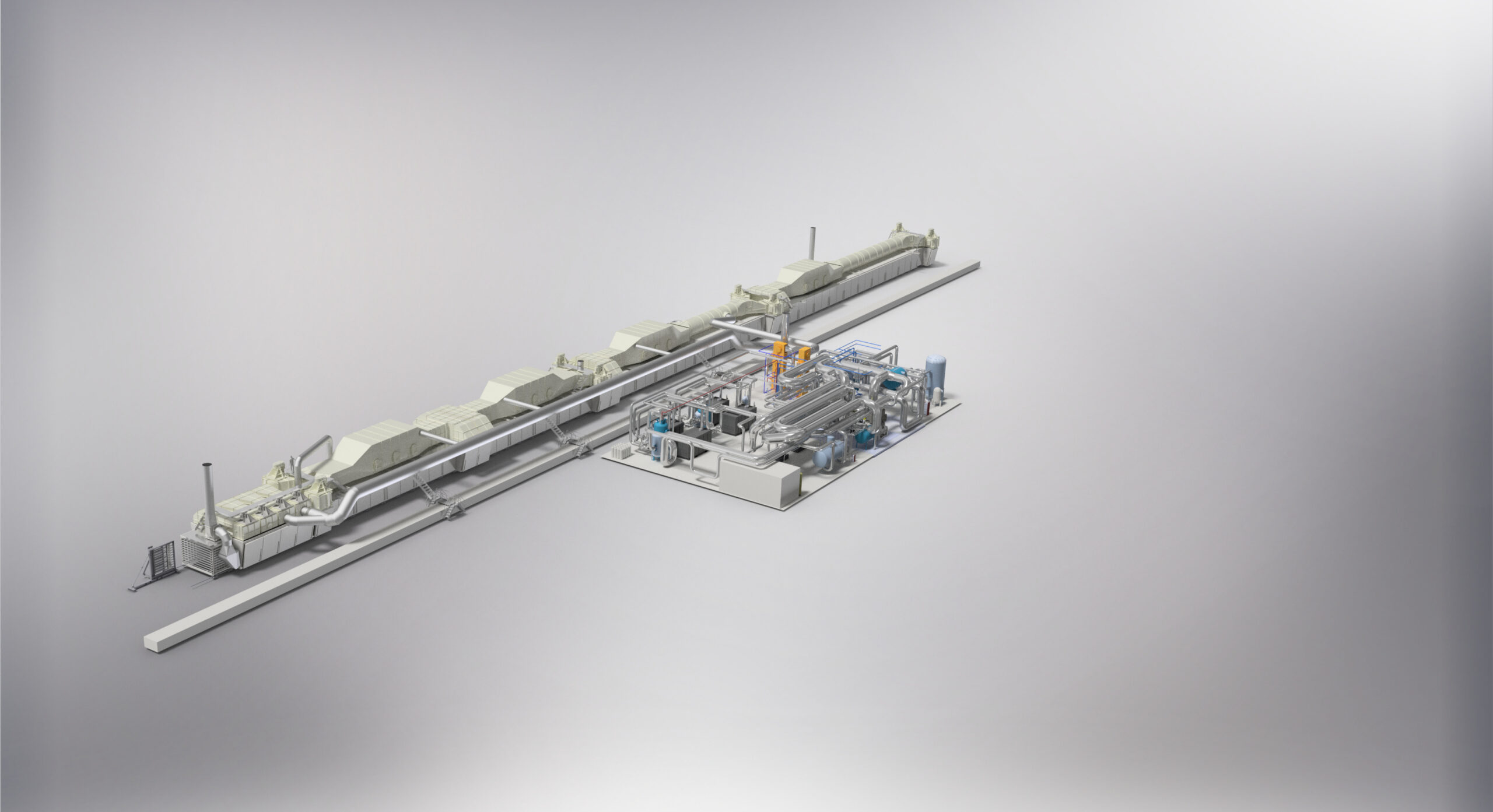
MVR4G-DRY replaces the burner with an integrated mechanical vapour recompression heat pump. Seven steam compressors recompress that vapour in stages, delivering seven temperature levels up to 210°C at a lift of 160°C, beyond the 140 to 180°C typical of industrial MVR systems. The recovered heat passes through a tube condenser and heat exchanger to raise the temperature of the drying air, which in turn dries the boards. An additional n-pentane heat pump recovers further heat from the exhaust.

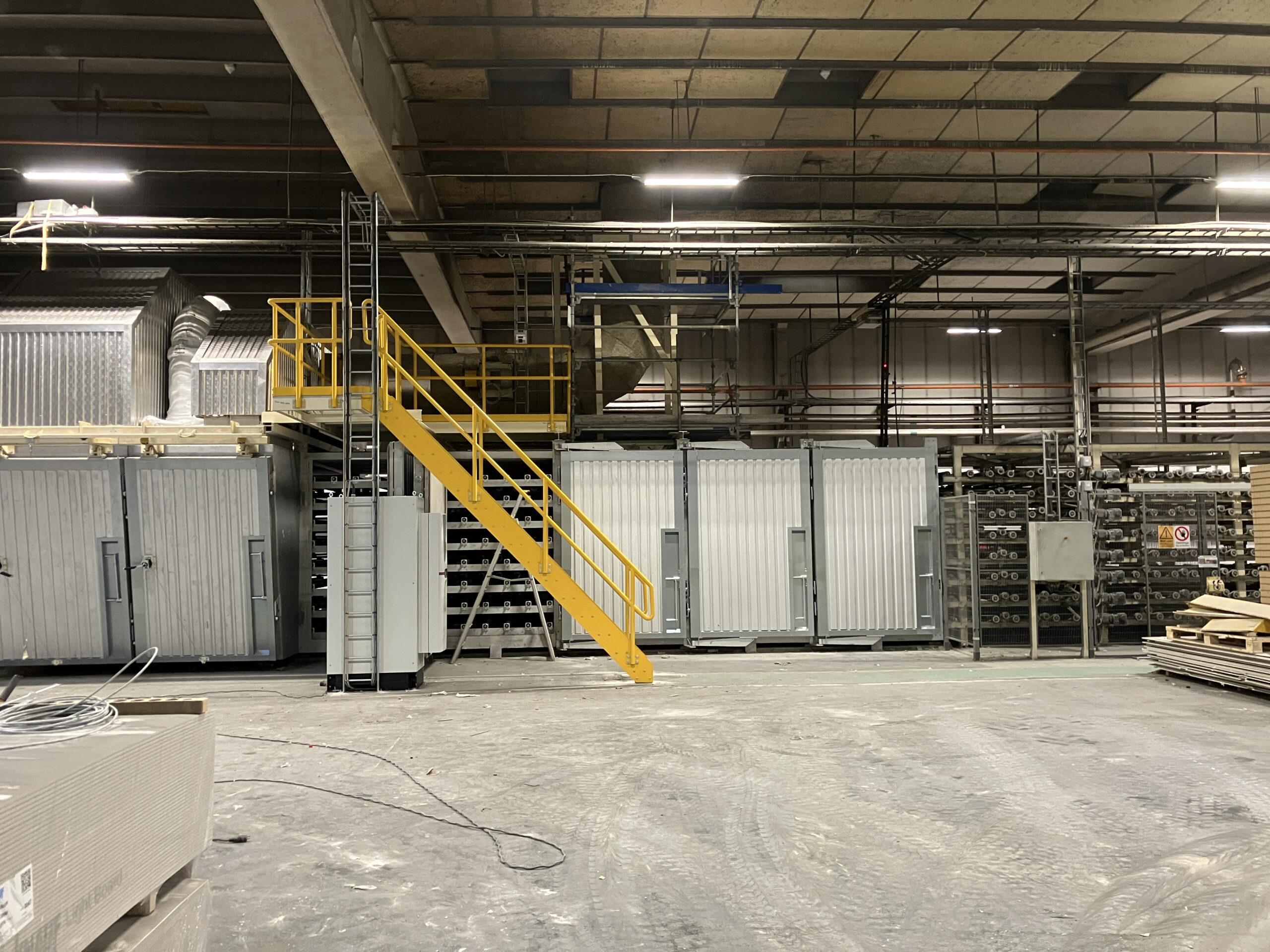
The 10.5 MWth system achieves a COP of at least 2.3 and cuts specific energy consumption from 0.778 to below 0.389 kWh per kg of water evaporated, an energy saving of over 50%. Working fluids are water/steam (R718) and n-pentane (R601), both natural and non-PFAS. The demonstration runs on a live production line at Knauf’s Åhus plant, advancing the system from TRL6 to TRL8.
Steps to vote

1

Browse through the projects across the three categories.

2

Identify the project you are convinced is making the greatest impact.

3

Vote for your favourite project using the link below.