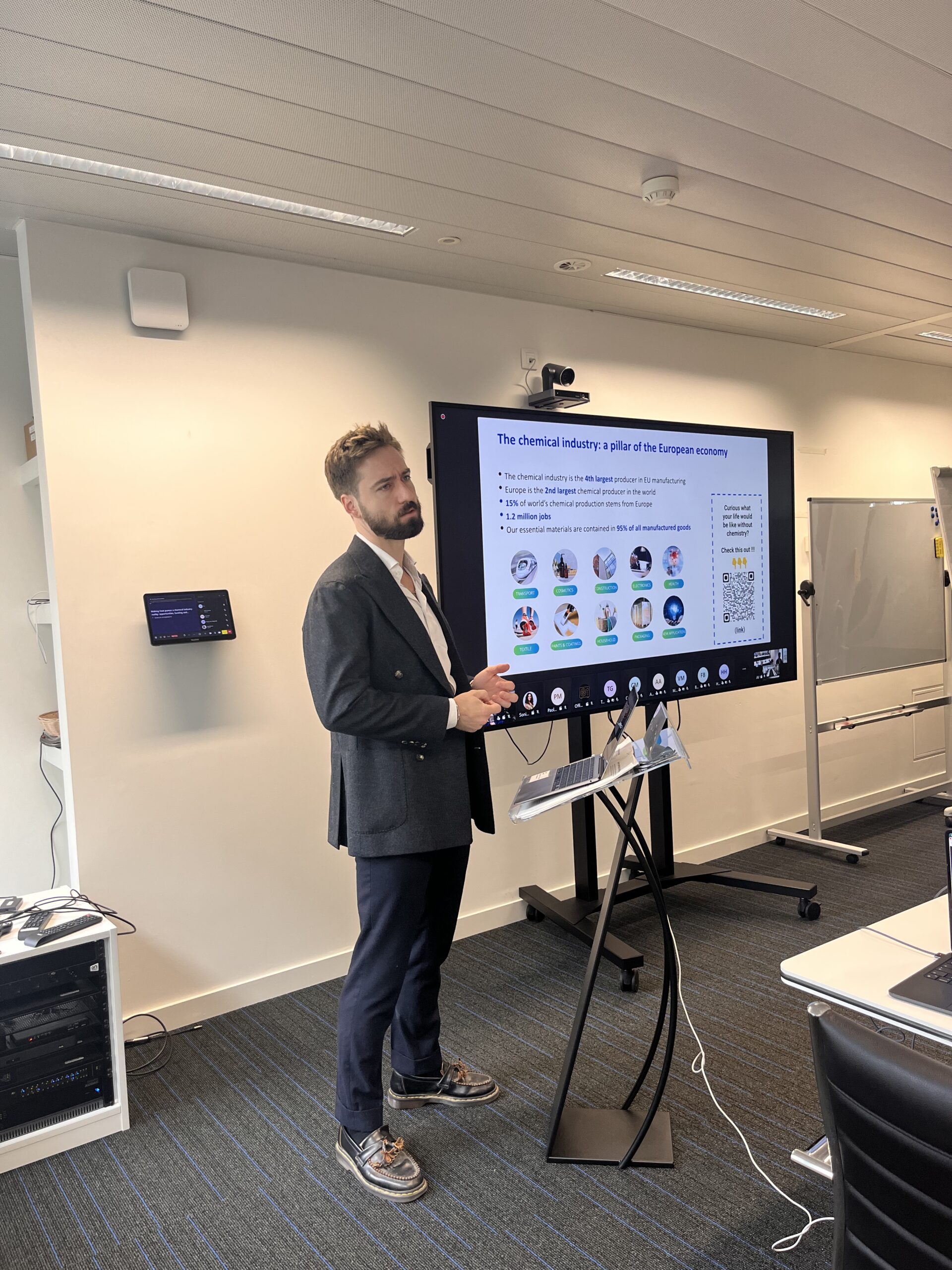

A whopping 95% of all manufactured goods contains petrochemicals. This is why decarbonising the chemicals industry is such an important challenge.
Electrification is a key piece of the puzzle: as of 2024, electricity represented 12% of energy consumption in the sector. But by 2050 this could be as high as 90%, said Nicolai Romanowski from chemicals body CEFIC. He was speaking at the most recent Heat BIG event organised jointly with EHPA, which focused specifically on the chemicals sector.
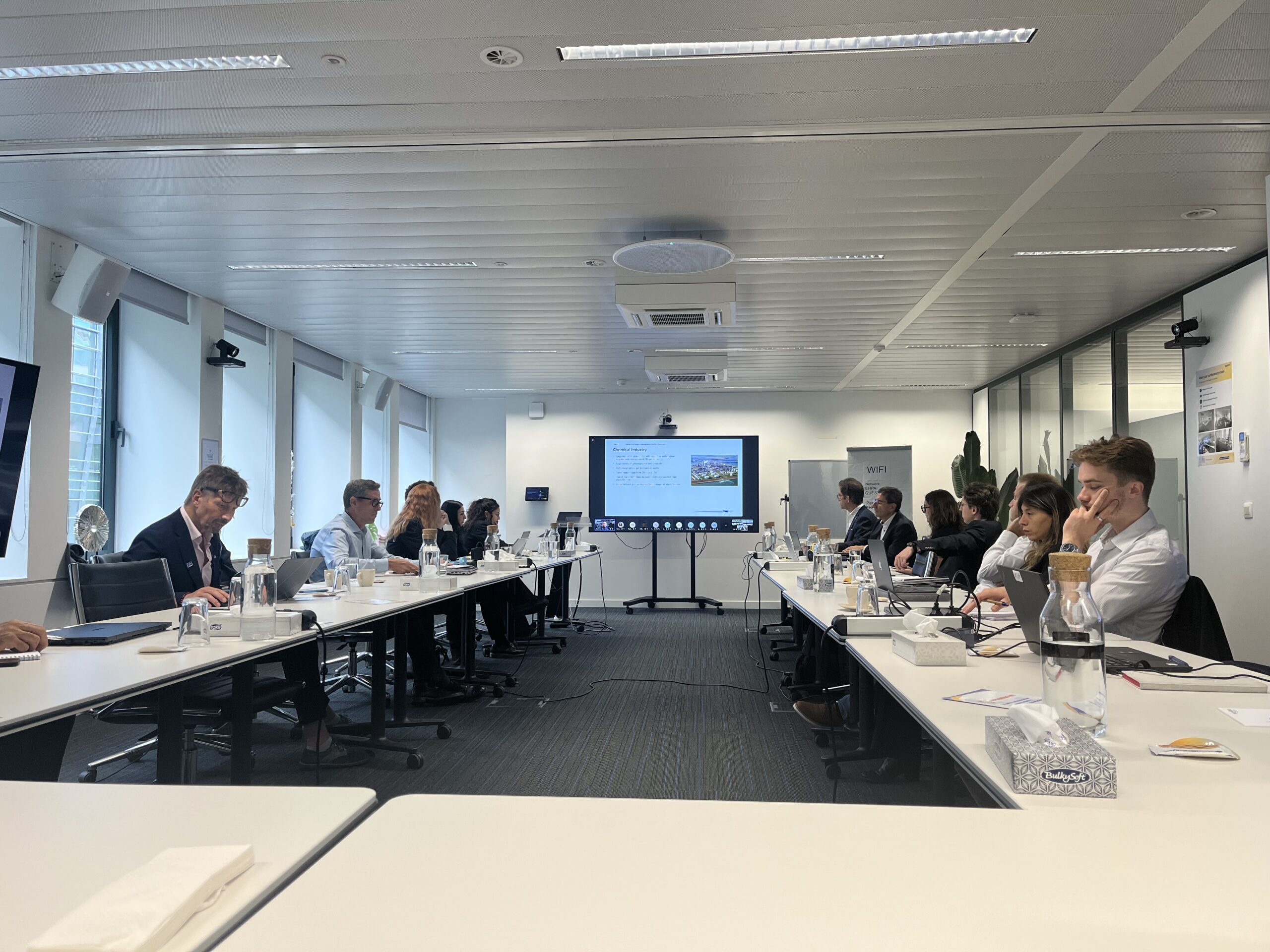
A large piece of the future electrification of the chemicals industry will be due to industrial heat pumps. At the hybrid event – which CEFIC and EHPA members could attend in person for additional networking – examples were presented. To see slides and the recording scroll to end.
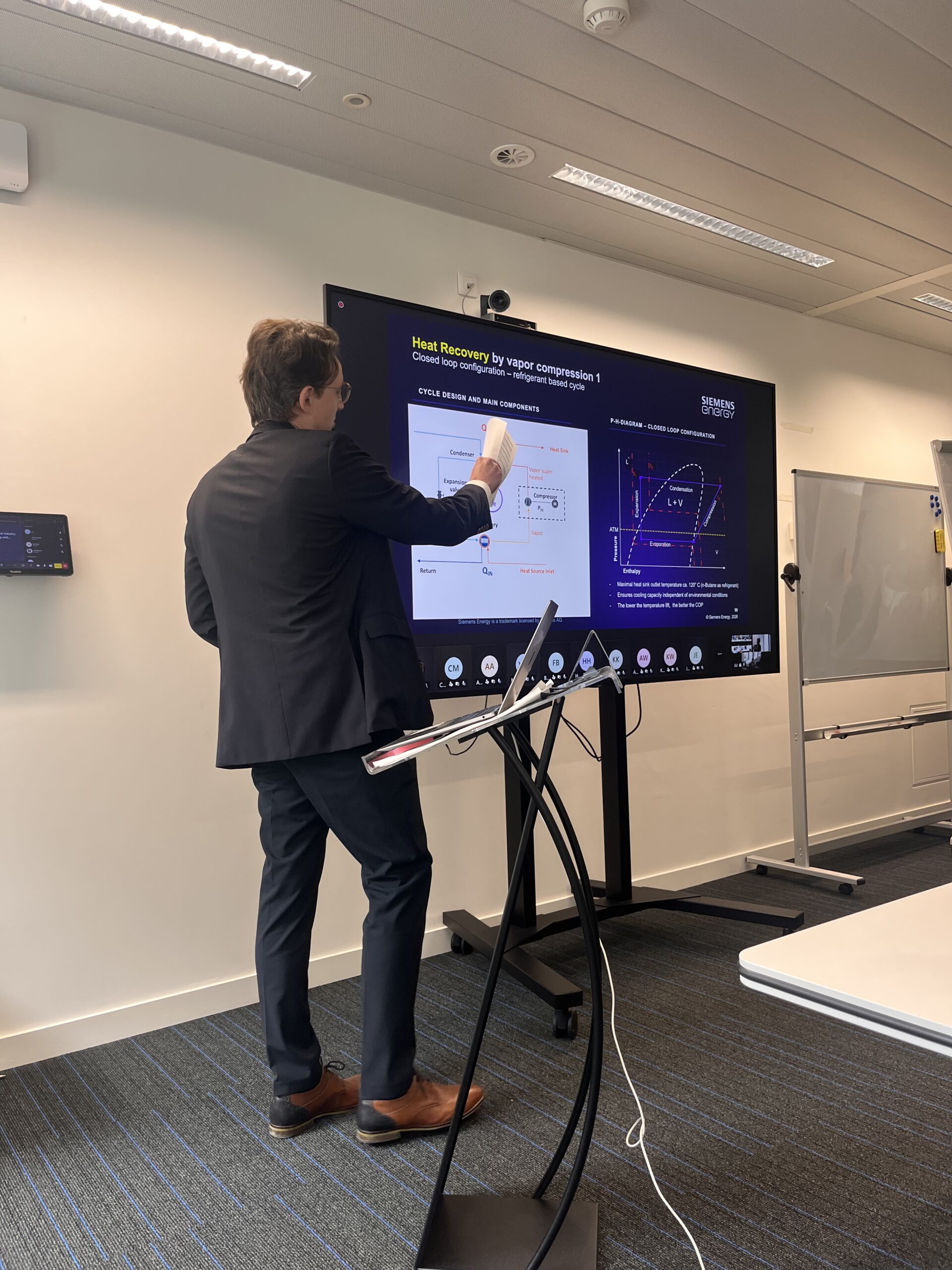
Andreas Sowinski of Siemens Energy showed the technical side of how heat pumps could be installed in a chemicals plant. It should break even after about seven years, he said.
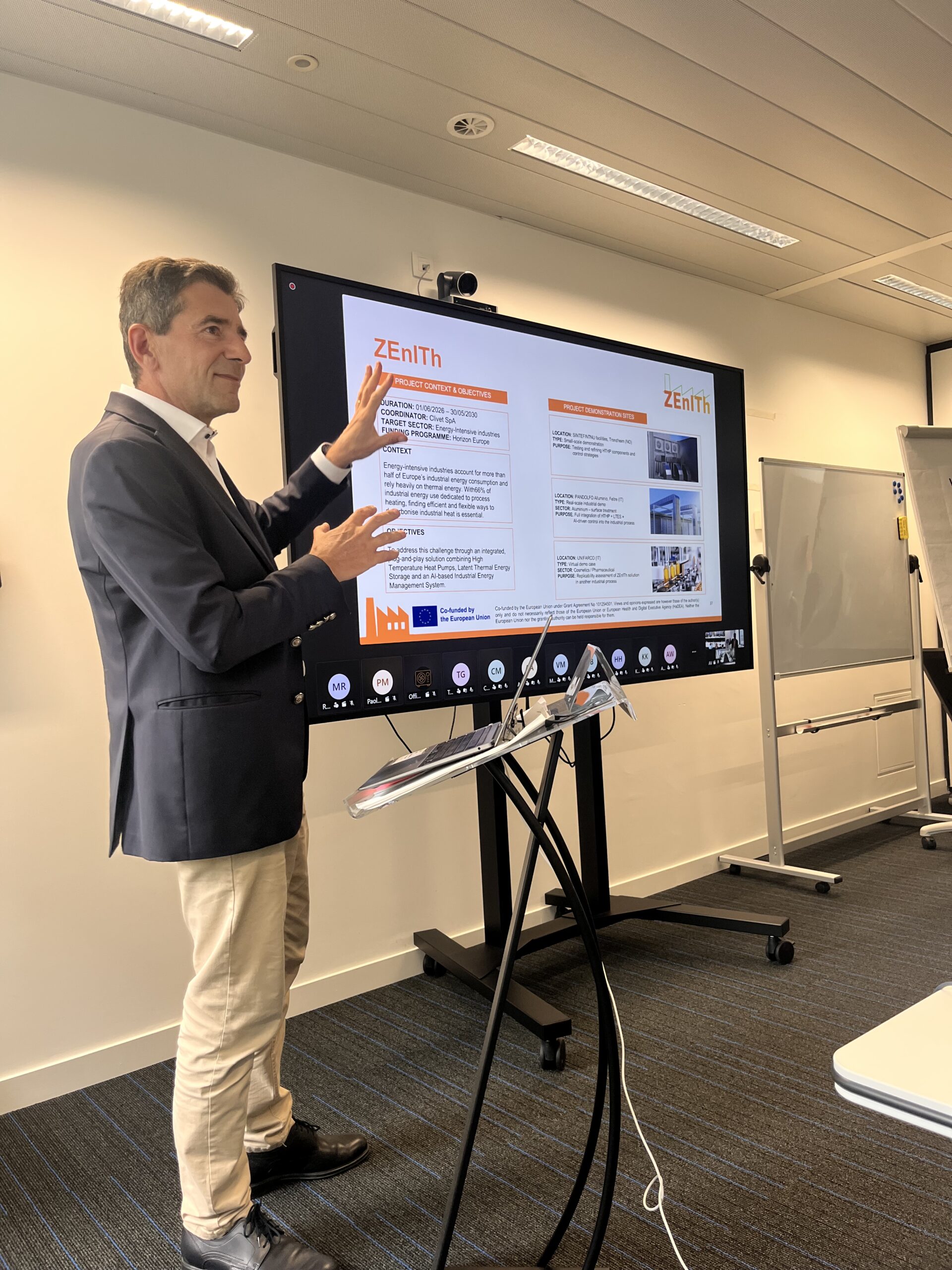
This is already being done in Germany, at a BASF chemicals plant in Ludwigshafen. Thomas Gurker from GKT explained how his company is developing an industrial heat pump project there that will enable CO2 free steam generation, saving 100,000 tonnes CO2 per year.
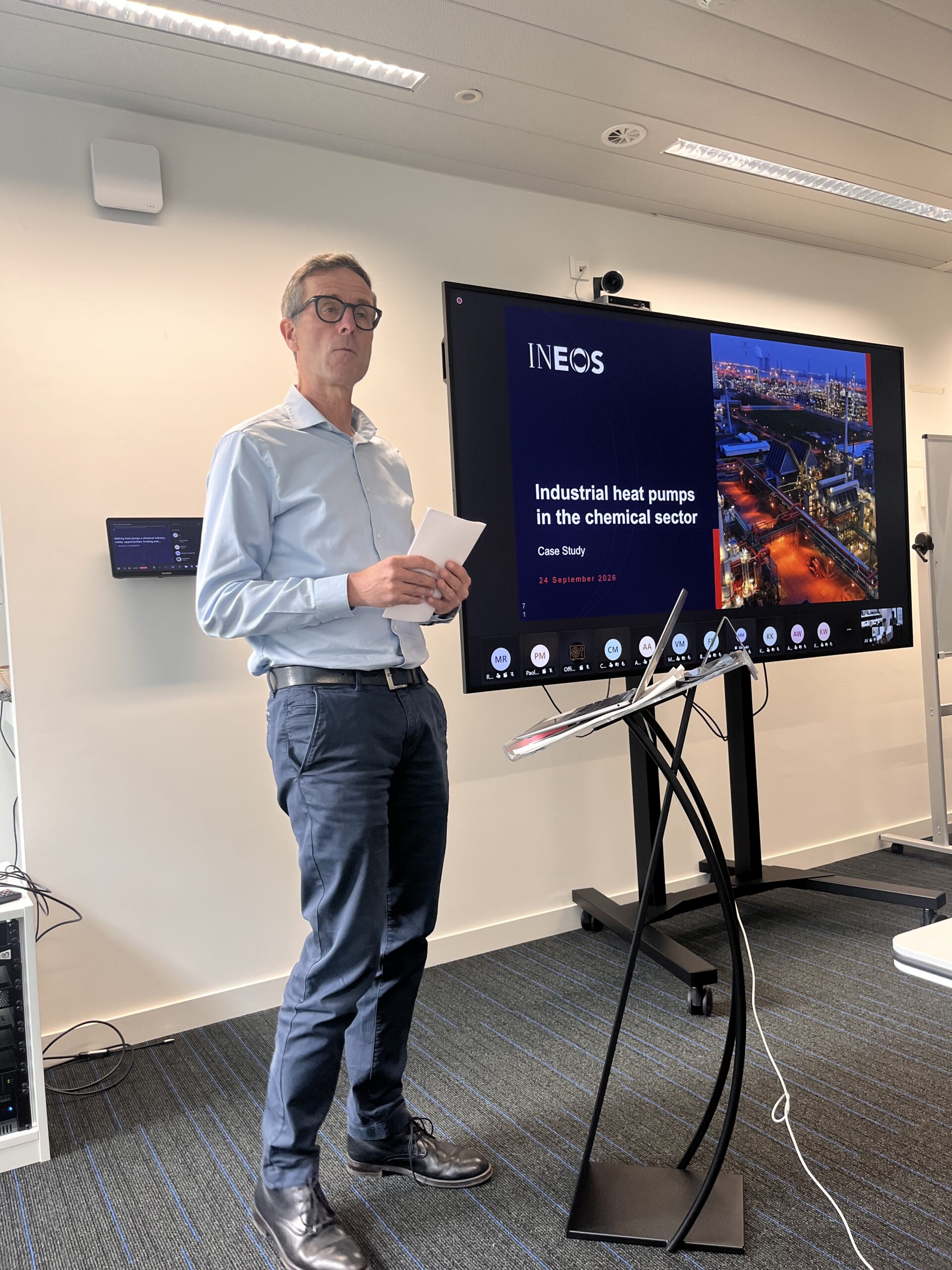
For Bart Adams from Ineos, a plan to use mechanical vapour recompression via a heat pump to electrify a polymer plant in Antwerp, which should start operations in 2030, has been on hold for nearly four years. This is due mainly to the long payback, which is around eight years for the project – a no-go in current conditions, he explained. It would involve also predicting energy and carbon prices up to 2038, which is difficult when gas prices are so unpredictable week to week.
This was one of the key conclusions of the event: energy prices are absolutely critical to making a business case for electrification of the chemicals sector, and industry more widely. This is often linked to high taxation on electricity, both for industrial and residential use. The European Commission is tackling the issue, stating in its Electrification Action Plan that the price of electricity for industrial use should be no more than 1.5 that of gas, as EHPA policy director Jozefien Vanbecelaere, who moderated the event explained.
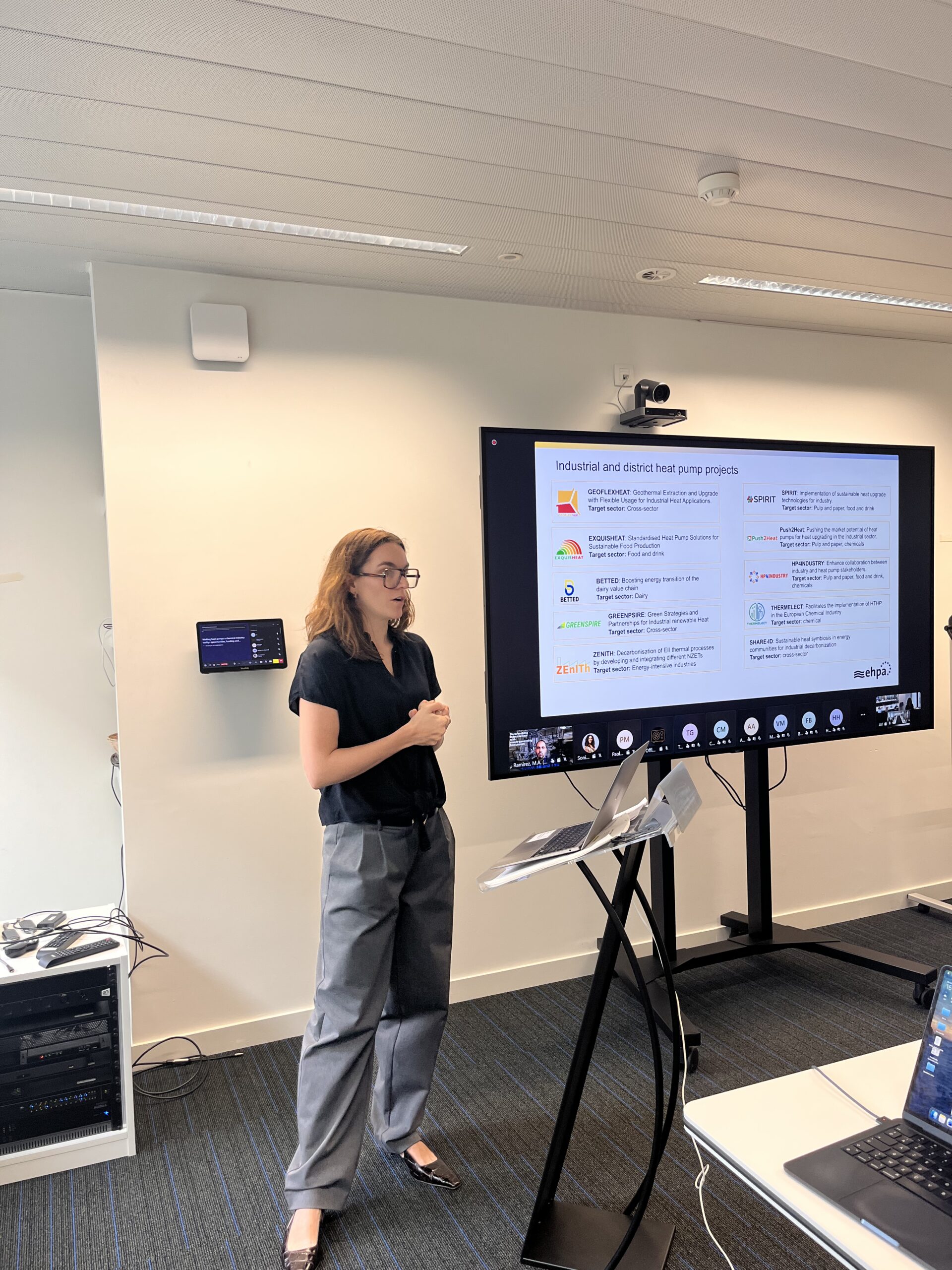
Help with upfront financing can also come from the EU. This includes projects funds like Horizon and LIFE, as Eric Lecomte from the European Commission explained. He referred to several projects EHPA is involved in, which are testing pilot projects such as the large heat pump installed at the sugar factory in Tienen, Belgium, with the SPIRIT project. The European Commission also provides implementation help in the form of exchange and learning for decarbonising the chemicals and other sectors under its ‘Strategic Energy Technology’ plan.
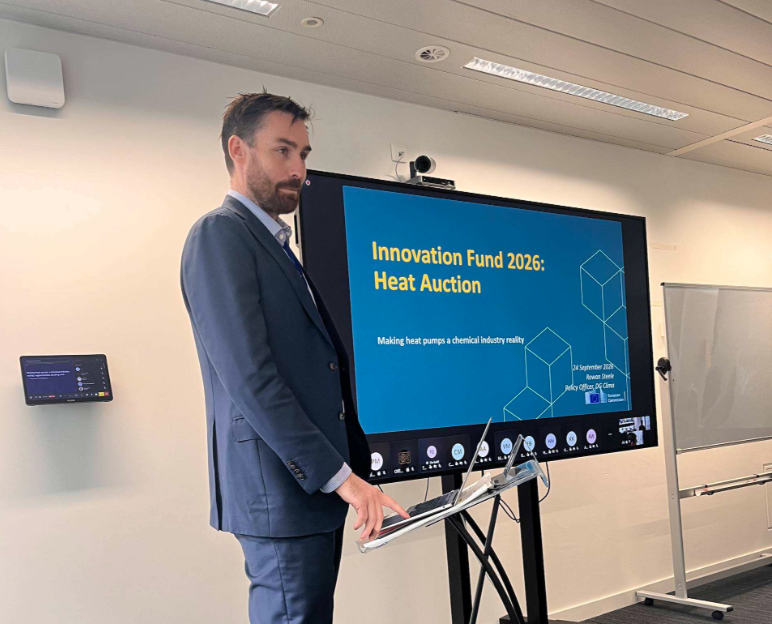
Another key way to fund industrial heat pump projects is via an EU auction to finance industrial heat decarbonisation projects, which uses revenues from the EU carbon market, the Emissions Trading System. Rowan Steele of the European Commission explained how the bids worked and that at the last auction, seven large heat pump projects were selected. The new auction is now open until December, with newly published terms and conditions, and has a pot of €1 billion – a huge opportunity for the sector.
Overall, there is a massive opportunity to decarbonise the chemicals sector through large heat pumps, as Miguel Ramirez from TNO, demonstrated. He studied the potential use of heat pumps in the distillation process, and found that 9.1 GW of heat demand from distillation could come from heat pumps. This is just one type of chemical process, showing how much can be done. In his words, “A key decarbonisation pathway of the chemical industry is electrification – and heat pumps are key”.
Loading PDF...
Error loading PDF. Please check the URL or file.