

A Belgian sugar factory is showing how Europe’s clean industry transition can move from policy plans to factory floors.
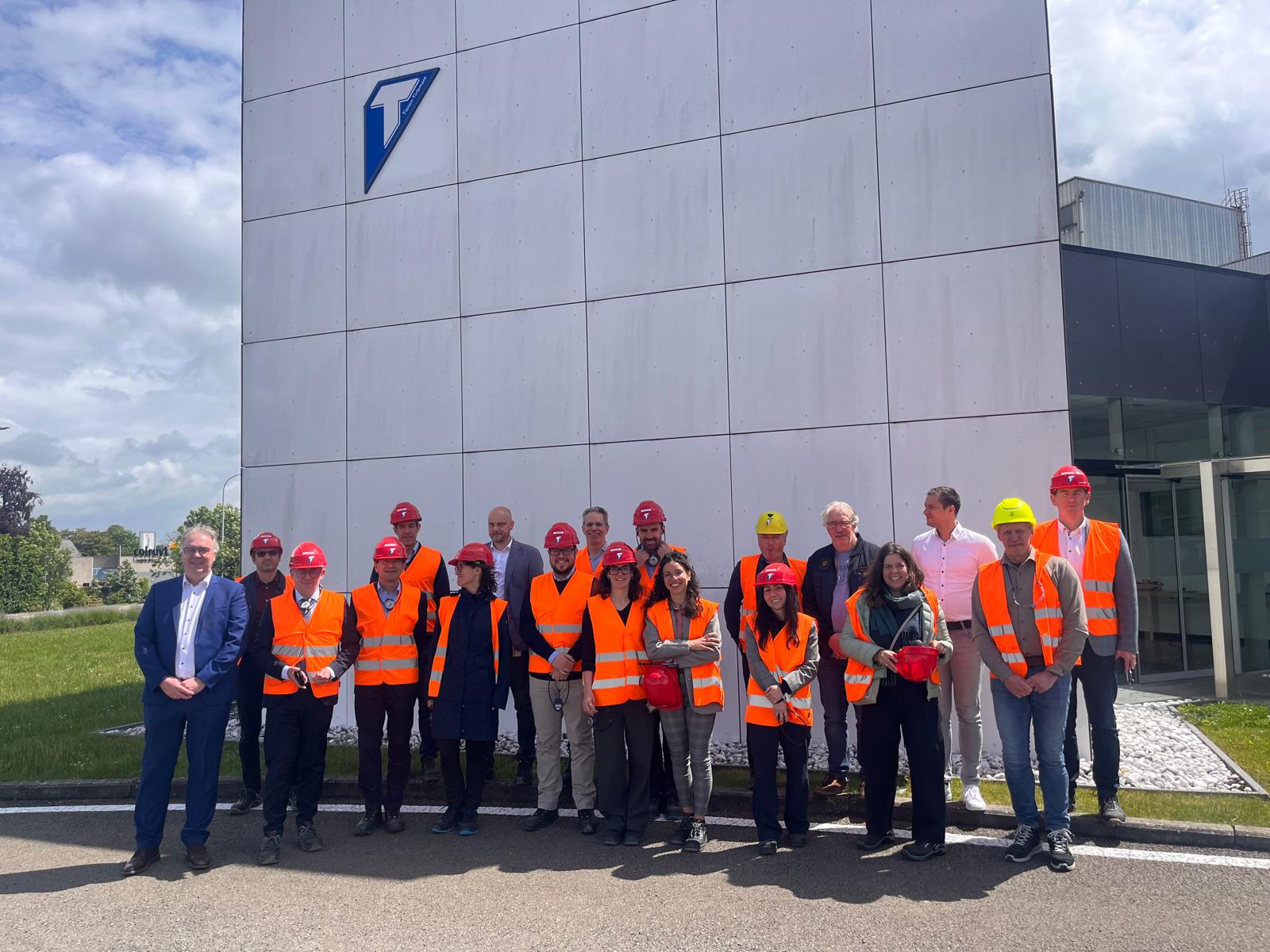
Representatives from the European Commission visited the factory to see the high temperature heat pump in use there on 20 May.
The visit was organised by the European Heat Pump Association in the framework of the EU-funded SPIRIT project.
At the centre of the visit was the factory’s 4 MW high-temperature heat pump, which captures low-temperature waste heat from the sugar evaporation process and upgrades it into steam for reuse in production.
The steam can then help crystallise sugar, replacing fossil gas and cutting emissions.
For Bart Aerts of Tiense Suiker, the owners of the factory, the project has been both a technical challenge and a learning journey.
“Four years ago I didn’t know what a heat pump was,” Aerts said. “At the beginning of the project I thought a truck will come deliver it and we will link it to the process with a cable. It turned out to be more complex than that, but we did it and now it works.”
The heat pump, developed by engineering firm GEA, shows how industrial sites can recover energy that would otherwise be wasted and reuse it directly in their processes. It is expected to provide around 5% of the factory’s process heat needs and avoid about 4,000 tonnes of CO2 emissions every year.
The site visit gave policymakers and project partners a close look at what industrial electrification means in practice: new equipment, complex integration between factory processes and technology providers and a strong business case to make projects replicable.
Participants and members of the European Heat Pump Association also discussed the wider opportunities and challenges for industrial heat pumps in Europe. Funding was a key theme, especially after the confirmation of a second round of the Innovation Fund heat auction this year with a budget of €1 billion. The European Commission’s climate department said 65 out of 85 proposals had been selected under the first pilot heat auction that opened in 2025, with final results expected in the next days. The draft terms and conditions for the next auction are due to be published in the following weeks.
The Tienen visit showed that industrial heat pumps are moving from demonstration to deployment, offering a practical route for factories to cut emissions, reuse waste heat and reduce fossil fuel use.
The SPIRIT project is funded under the Horizon Europe Framework Programme. It aims to develop and integrate heat pumps across process industries, including food and beverage, paper and pulp.